How Long Does It Take to Climb Mount Kilimanjaro?
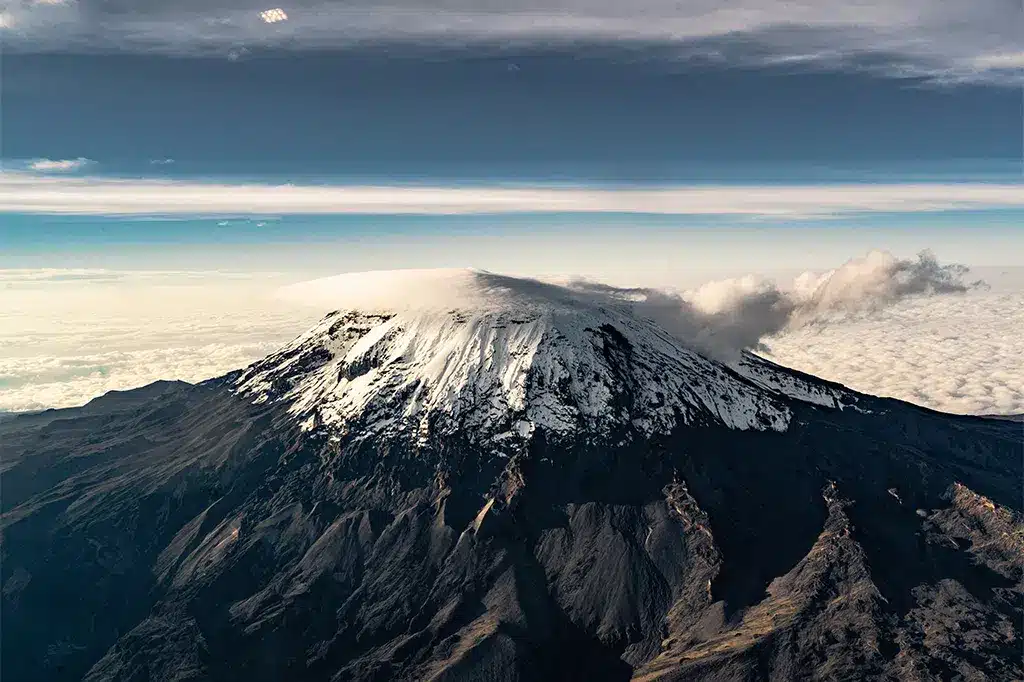
Climbing Mount Kilimanjaro is more than just a trek it’s a life-changing journey that takes you through five unique climate zones, from lush rainforest to icy summit. Standing at 5,895 meters (19,341 feet), it is not only the highest mountain in Africa but also one of the most accessible high-altitude peaks in the world.
Every year, thousands of travelers arrive with different backgrounds and experience levels. Some are first-time hikers chasing a dream, while others are seasoned adventurers looking for their next challenge. But no matter who you are, everyone shares the same goal: standing on Uhuru Peak and experiencing the incredible feeling of being on the “Roof of Africa.”
Before you even set foot on the mountain, one question naturally comes up:
How many days does it take to climb Mount Kilimanjaro?
At first glance, the answer seems simple most climbs take between 5 and 9 days. However, this number only tells part of the story.
The real answer is more complex because climbing Kilimanjaro is not just about distance or speed. It’s about how your body responds to altitude, how well your itinerary is designed, and how prepared you are physically and mentally. Two people can take the same number of days but have completely different experiences one reaching the summit comfortably, while the other struggles due to poor acclimatization.
This is why understanding Kilimanjaro climbing duration is so important. The number of days you choose will affect:
- How well your body adapts to altitude
- How much you enjoy the journey
- And ultimately, whether you reach the summit or not
Many first-time climbers are tempted to choose shorter itineraries to save time or money. But what they don’t realize is that climbing too quickly is one of the main reasons people fail to reach Uhuru Peak. On the other hand, adding just one or two extra days can dramatically increase your chances of success and make the experience far more enjoyable.
In this complete guide, you’ll go beyond the basic answer and truly understand what affects your climb. You’ll learn about different route durations, how acclimatization works, what a typical day on the mountain feels like, and how to choose the best itinerary for your goals.
By the end, you won’t just know how long it takes you’ll know how to do it the right way.
Kilimanjaro Climbing Duration: Why Time Matters
When planning your trek on Mount Kilimanjaro, understanding the Kilimanjaro climbing duration is one of the most important factors for success. Unlike many other hikes, this journey is not defined by distance it is defined by altitude.
As you climb higher, the air becomes thinner and oxygen levels drop significantly. At the summit, there is nearly 50% less oxygen compared to sea level. This change doesn’t just make the hike harder it directly affects how your body functions.
Your body needs time to adjust through a process known as Acclimatization. During this process, your body gradually adapts to lower oxygen levels by improving breathing efficiency and increasing red blood cell production. But this adaptation does not happen instantly it takes time, patience, and the right pace.
If you climb too quickly, your body cannot keep up with the altitude gain. This is when problems begin. Many climbers experience symptoms such as headaches, nausea, dizziness, and extreme fatigue. In more serious cases, altitude sickness can force you to descend before reaching the summit.
On the other hand, taking more days on the mountain allows your body to adjust naturally. You’ll notice that you feel stronger, recover better overnight, and maintain a steady rhythm throughout the climb.
This is why time plays such a critical role:
- The faster you climb, the higher your risk of altitude sickness
- The slower you climb, the better your body adapts
- More days on the mountain significantly improve your chances of reaching Uhuru Peak
It’s important to understand that Kilimanjaro is not a race. Many people who are physically fit still fail to summit not because they are weak, but because they ascend too quickly.
Choosing the right number of days is not just a planning detail it is the foundation of your entire climb. It determines how your body performs, how much you enjoy the journey, and ultimately, whether you stand on the highest point in Africa.
How Many Days Does It Take to Climb Mount Kilimanjaro?
Climbing Mount Kilimanjaro typically takes between 5 and 9 days, but the number of days you choose will shape your entire experience from how your body handles altitude to your chances of reaching the summit.
Let’s look deeper at what each duration really means:
5–6 Days (Short Climbs)
These are the fastest itineraries available on the mountain. They are designed for travelers with limited time, but they come with important challenges.
- The pace is quick, with significant altitude gain each day
- Your body has very little time to adjust to thinner air
- Success rates are lower, often around 50–60%
Because of the rapid ascent, many climbers begin to feel the effects of altitude early. Even if you are physically fit, the lack of proper Acclimatization can make the summit attempt extremely difficult.
These routes are generally not recommended for beginners or anyone serious about reaching the top.
7–8 Days (Recommended Duration)
This is the most popular and well-balanced option for climbing Kilimanjaro. It gives you enough time to adapt while still keeping the trip manageable.
- A steady pace allows your body to adjust gradually
- You gain altitude more safely with built-in acclimatization
- Success rates improve significantly, often reaching 70–90%
With this duration, you’re not rushing the climb. Instead, you allow your body to adapt step by step, which makes each day feel more manageable and increases your confidence as you get closer to the summit.
This is widely considered the best Kilimanjaro itinerary for beginners and the smartest choice for most climbers.
9 Days (Maximum Success Rate)
A 9-day climb is the most gradual and comfortable way to experience Kilimanjaro. It is ideal for those who want the highest possible chance of success.
- The ascent is slow and well-paced
- Your body has excellent time to acclimatize
- Success rates can exceed 90%
This option also allows you to enjoy the mountain more fully. You’re less rushed, less fatigued, and better able to take in the landscapes and experience.
Perfect for climbers who prioritize safety, comfort, and a higher probability of reaching Uhuru Peak.
Choosing the Right Duration
In the end, the difference between 6 days and 8 days may seem small but on Mount Kilimanjaro, those extra days can completely change your outcome.
What many climbers don’t realize is that success on Kilimanjaro is not determined by strength or speed. It is determined by how well your body adapts to altitude over time. Adding just one or two extra days gives your body the space it needs to adjust, recover, and stay strong as you climb higher.
With a shorter itinerary, everything happens faster. You gain altitude quickly, your body struggles to keep up, and by the time you reach summit night, exhaustion and altitude can work against you. This is why many climbers on shorter routes turn back before reaching Uhuru Peak.
With a longer itinerary, the experience is completely different:
- Your body adjusts gradually to each increase in altitude
- You feel more comfortable and less fatigued each day
- You have a much higher chance of reaching the summit
There’s also a mental side to it. When you’re not rushing, you enjoy the journey more. You take in the landscapes, connect with the experience, and build confidence step by step.
Kilimanjaro rewards patience. It favors those who move slowly, listen to their bodies, and respect the mountain.
Choosing a longer itinerary is not just about making the climb easier it’s about making it possible, safer, and more enjoyable.
Kilimanjaro Routes Duration Comparison
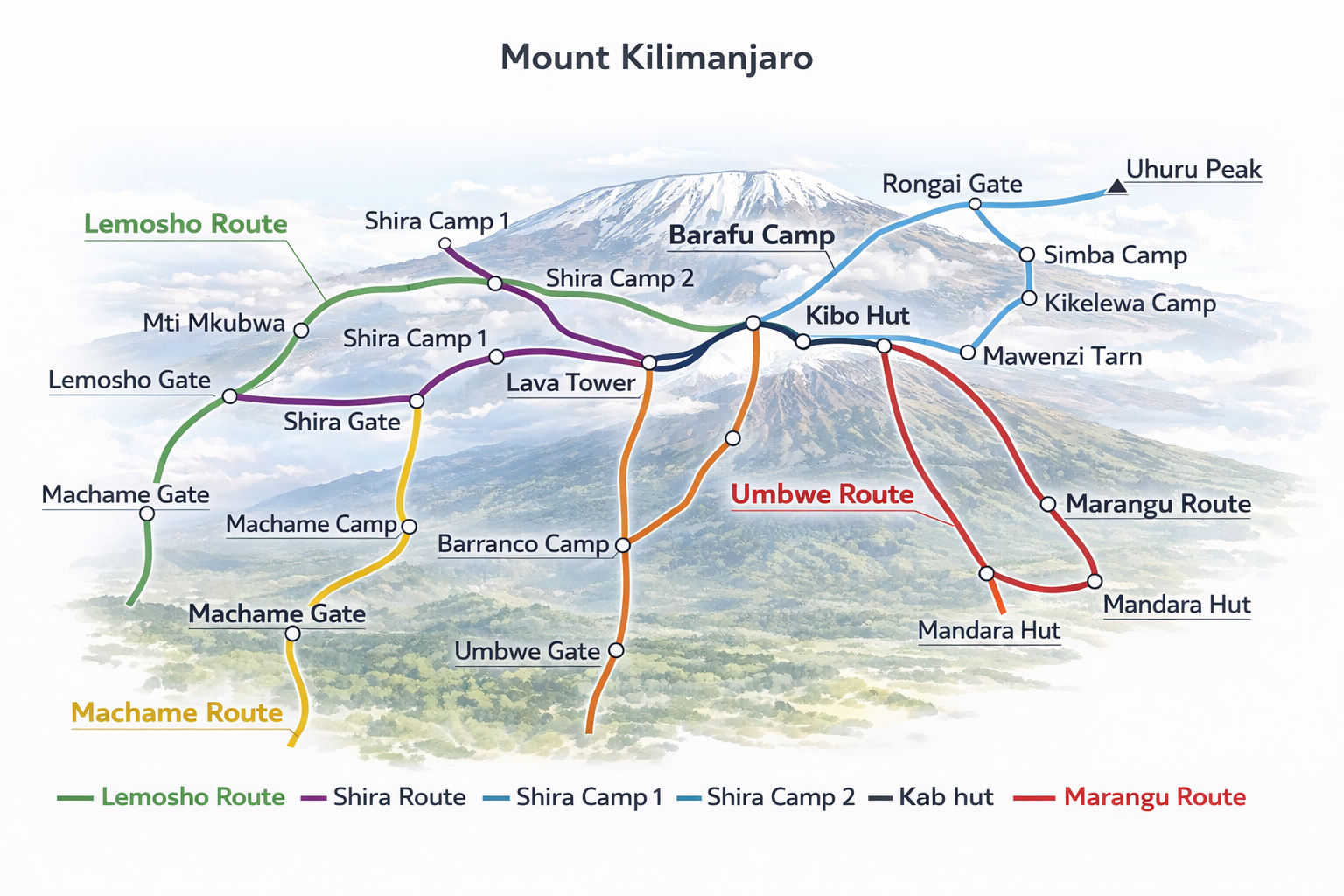
Your choice of route on Mount Kilimanjaro plays a major role in both your climbing duration and your overall experience. Each route is designed differently some are shorter and more direct, while others are longer and allow for better acclimatization.
Understanding these differences will help you choose the right path based on your time, fitness, and goals.
Machame Route (6–7 Days)
Often called the “Whiskey Route,” Machame is the most popular way to climb Kilimanjaro and for good reason. It offers a perfect mix of challenge, scenery, and a well-planned acclimatization profile.
- You pass through rainforest, moorland, and alpine desert
- The route follows a “climb high, sleep low” pattern
- Success rates are relatively high compared to shorter routes
Because of its balance, Machame is a great option for climbers who want a 7-day Kilimanjaro itinerary for beginners without making the trek too long.
It’s ideal if you want a scenic and rewarding experience with a strong chance of success.
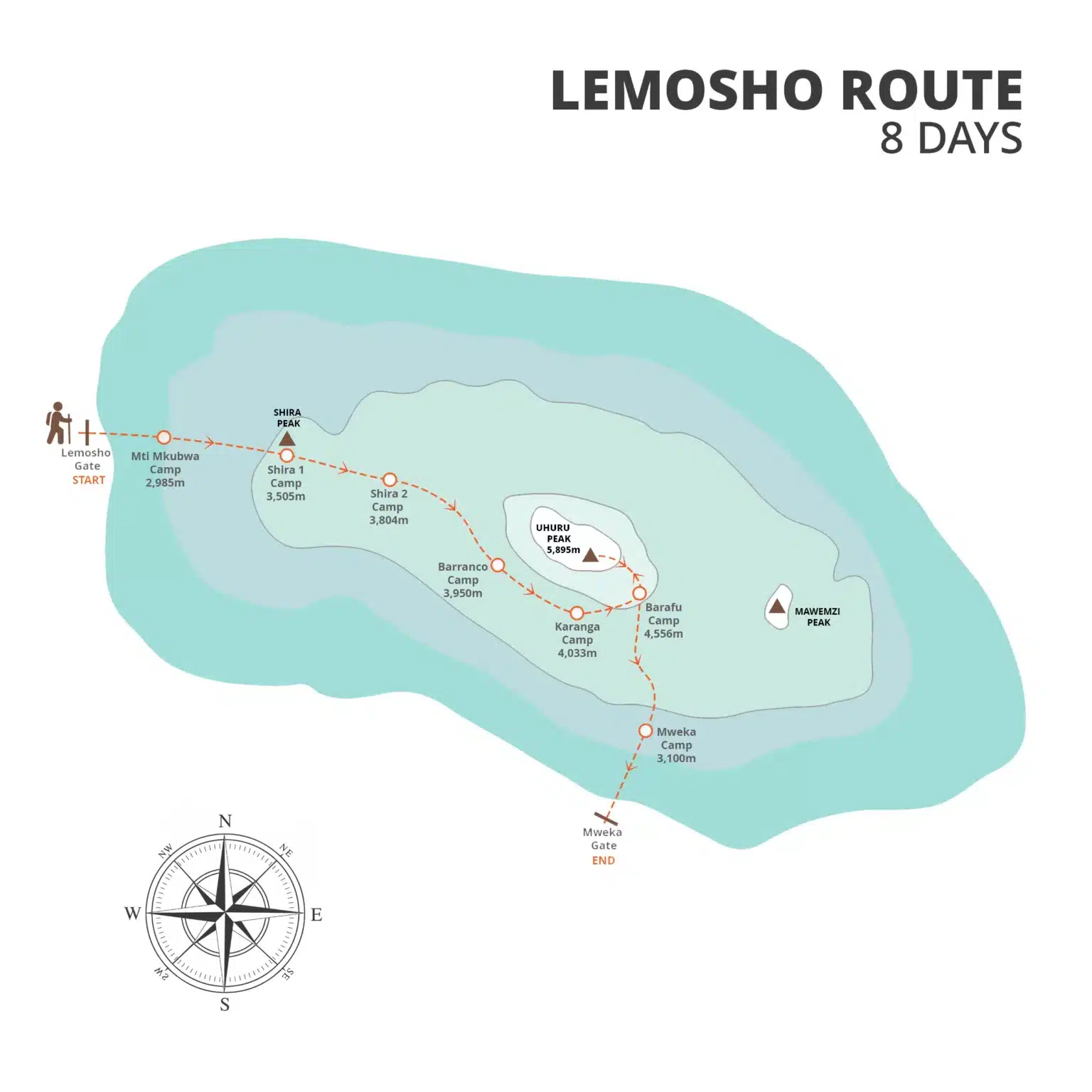
Lemosho Route (7–8 Days)
The Lemosho Route is known for its beauty and quieter starting point. It begins on the western side of the mountain, far from the busier trails, giving you a more peaceful experience in the early days.
- The first days are spent in remote rainforest with fewer crowds
- The route gradually joins Machame, improving acclimatization
- Extra days allow your body to adjust more naturally
Because of its length and design, Lemosho offers one of the highest success rates on Kilimanjaro.
It is often considered the best route to climb Kilimanjaro, especially for first-time climbers who want both comfort and scenery.
Marangu Route (5–6 Days)
The Marangu Route is the oldest and most established path on Kilimanjaro. It is unique because it offers hut accommodation instead of camping.
- You sleep in shared huts instead of tents
- The route is shorter and often more budget-friendly
- The ascent is quicker, with fewer acclimatization opportunities
While it may seem easier, the faster pace actually makes it more challenging when it comes to altitude adjustment.
It’s suitable for those with limited time, but it has a lower success rate compared to longer routes.
Rongai Route (6–7 Days)
Approaching Kilimanjaro from the north near the Kenyan border, the Rongai Route offers a different perspective of the mountain.
- The climate is drier, making it a good option during rainy seasons
- The trail is less crowded than Machame or Marangu
- The climb is steady but slightly less effective for acclimatization
This route is a good choice for those looking for a quieter experience without committing to a very long itinerary.
It offers a unique approach with moderate difficulty and a peaceful atmosphere.
Northern Circuit (8–9 Days)
The Northern Circuit is the longest route on Kilimanjaro and provides the most time for acclimatization. It circles around the mountain, offering a more complete and less crowded experience.
- You spend more days at altitude, improving adaptation
- The trail is quiet and remote compared to other routes
- The gradual ascent leads to the highest success rates
Because of its design, this route gives climbers the best possible conditions to reach the summit.
If you’re asking which Kilimanjaro route has the highest success rate, the Northern Circuit is the answer.
Choosing the Best Route for You
Each route offers something different, but the key factor remains the same: time equals success.
Shorter routes may save time, but longer routes give you:
- Better acclimatization
- Higher success rates
- A more enjoyable and less rushed experience
Choosing the right route is not just about reaching the summit it’s about how you experience the entire journey on Mount Kilimanjaro.
Kilimanjaro Acclimatization Days Explained
One of the most important factors in successfully reaching the summit of Mount Kilimanjaro is how well your body acclimatizes to high altitude. Without proper acclimatization, even the fittest climbers may struggle with fatigue, headaches, or more serious altitude sickness.
Acclimatization days give your body the time it needs to adapt naturally to thinner air, increasing your chances of a safe and enjoyable climb.
During these days, your body adjusts in several key ways:
- Improving oxygen efficiency: Your body gradually adapts to lower oxygen levels at higher altitudes.
- Reducing altitude sickness symptoms: Headaches, nausea, and dizziness become less severe as your body acclimatizes.
- Enhancing endurance and recovery: You’ll feel stronger during hikes and recover more effectively overnight.
Most Kilimanjaro routes are designed around a principle called:
“Climb high, sleep low”
This means you hike to a higher altitude during the day to challenge your body, then descend slightly in the evening to sleep. This approach helps your body adjust more efficiently while minimizing the risk of altitude sickness.
In practical terms, following proper acclimatization days allows you to:
- Maintain a steady pace without overexertion
- Arrive at summit night feeling prepared and energized
- Increase your overall success rate and enjoyment of the trek
Acclimatization is not optional it’s one of the most critical strategies for reaching Uhuru Peak safely.
Typical Daily Schedule on a Kilimanjaro Climb
Understanding what a day looks like on Mount Kilimanjaro helps you prepare both mentally and physically. Each day is carefully structured to balance hiking, rest, and acclimatization, ensuring your body adjusts safely to the altitude.
Morning
- Wake up early: Usually before sunrise to maximize daylight hours
- Breakfast and briefing: Guides explain the day’s plan, trail conditions, and safety tips
- Start hiking at a slow, steady pace (“pole pole”): Moving slowly conserves energy and helps your body adapt to altitude
Midday
- Lunch break: Provides fuel and hydration for the afternoon hike
- Rest and hydration: Short breaks help your body recover and prevent exhaustion
Afternoon
- Continue hiking or acclimatization walk: Some days include extra climbs to higher altitudes before descending to camp
- Arrive at camp: Settle in, rest, and enjoy the surrounding landscape
Evening
- Dinner: Often a warm meal to replenish energy
- Early rest: Sleeping early helps your body recover and prepare for the next day
Following this routine keeps your energy consistent, supports proper acclimatization, and ensures you are ready for summit day. The principle is simple: pace yourself, stay hydrated, rest well, and let your body adapt gradually.
Summit Day: The Ultimate Challenge
Summit day on Mount Kilimanjaro is the most demanding and most rewarding part of the climb. This is when your preparation, pacing, and mental strength are truly tested.
What to Expect
- Start around midnight: Climbers begin in the dark to maximize the chance of reaching the summit by sunrise
- Hike for 6–8 hours: The climb is slow and steady, through freezing temperatures and thin air
- Reach Uhuru Peak at sunrise: Witnessing the first light over Africa is an unforgettable reward for your effort
- Descend for another 4–6 hours: After reaching the summit, you carefully make your way back down to camp
Total time: 10–14 hours
This day is physically and mentally challenging. Your body is under stress from altitude, cold, and fatigue, but proper pacing and preparation can make the difference between reaching the peak and turning back.
Summit day is not just about strength it’s about endurance, patience, and determination. Every step brings you closer to the Roof of Africa.
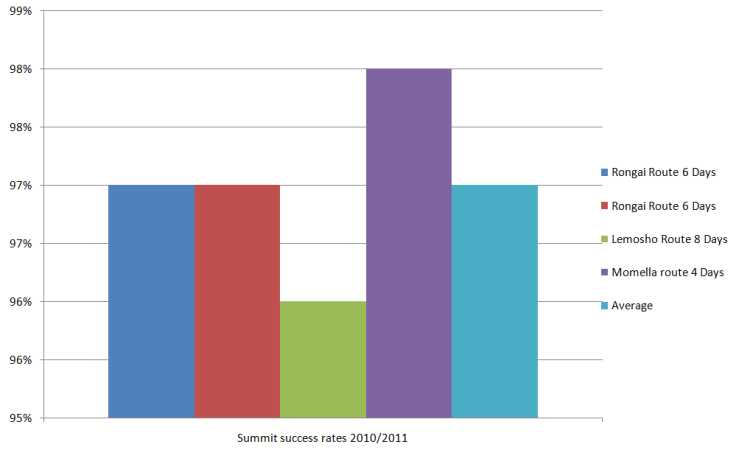
Kilimanjaro Climb Success Rate
Your chances of reaching Uhuru Peak depend largely on how many days you spend on the mountain. Success is not just about fitness it’s about giving your body enough time to acclimatize and recover.
Here’s how success rates typically compare by itinerary length:
- 5–6 days: ~50–60% success rate
- 7–8 days: ~70–90% success rate
- 8–9 days: 90%+ success rate
Key takeaway: The longer your climb, the higher your chances of summiting safely and comfortably. Choosing more days is not only smarter it’s the strategy most experienced guides recommend for first-time climbers.
Proper pacing, acclimatization, and route choice all contribute to maximizing your success on Mount Kilimanjaro.
• Proper hiking boots • Warm layers for extreme cold • Sleeping bag and trekking poles
How to Prepare for Climbing Mount Kilimanjaro
Climbing Mount Kilimanjaro is a physically demanding and mentally challenging adventure. Proper preparation can make the difference between struggling and enjoying every step of your journey. Focus on three key areas: physical fitness, mental preparation, and gear.
Physical Fitness
Your body needs endurance and strength to handle long days of hiking and high-altitude conditions:
- Hiking practice: Focus on uphill trails and uneven terrain to simulate mountain conditions
- Cardio training: Running, cycling, or swimming improves stamina and lung capacity
- Strength training: Core, legs, and back exercises help carry your backpack and maintain stability
Mental Preparation
Climbing Kilimanjaro is as much a mental challenge as a physical one:
- Patience during long hikes: Slow, steady pacing (“pole pole”) is key to acclimatization
- Positive mindset: Staying motivated and calm helps you overcome fatigue and altitude challenges
Gear
Having the right equipment ensures comfort and safety at high altitudes:
- Proper hiking boots: Supportive, waterproof, and broken-in boots prevent blisters
- Warm layers: Temperatures drop drastically near the summit, so thermal layers and jackets are essential
- Sleeping bag and trekking poles: A good sleeping bag keeps you warm at night, and poles help reduce strain on your knees
Proper preparation in these three areas significantly increases your chances of reaching Uhuru Peak safely while enjoying the journey along the way.
Kilimanjaro Climb Cost and Duration
When planning your climb of Mount Kilimanjaro, it’s important to understand how cost and duration are connected. While shorter climbs may appear less expensive upfront, longer itineraries often provide better overall value because they significantly increase your chances of reaching the summit.
Cost Overview
- Shorter climbs (5–6 days): May seem cheaper but come with lower success rates (~50–60%)
- Longer climbs (7–9 days): Higher upfront cost, but success rates jump to 70–90% or more
Typical cost range: $1,500 to $4,000+ per person, depending on:
- Chosen route
- Number of days on the mountain
- Level of service, including guides, porters, and accommodations
Value of a Longer Itinerary
Investing in a longer climb is more than just paying extra it’s paying for a higher chance of success and a safer, more enjoyable experience.
With a well-planned itinerary, you:
- Acclimatize properly
- Reduce risk of altitude sickness
- Enjoy a more relaxed and scenic journey
In other words, spending a little more on time can make all the difference in achieving your dream of standing on Uhuru Peak.
Climbing Mount Kilimanjaro is not just about reaching the summit it’s about the journey.
While it’s possible to complete the climb in 5 days, the smartest choice is a 7–8-day itinerary. This gives you the best balance of comfort, safety, and success.
In the end, Kilimanjaro rewards those who take their time.
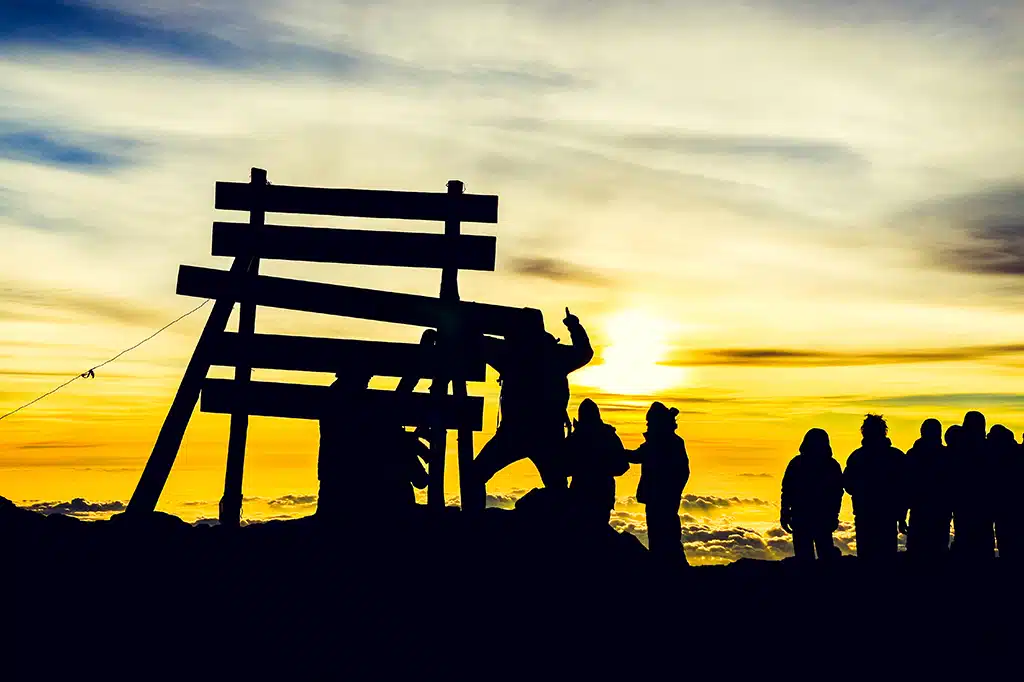
Ready to stand on the Roof of Africa?
Climbing Mount Kilimanjaro is more than a hike it’s a life-changing achievement. Whether you choose a 7-day Machame route or a longer scenic adventure, the right team makes all the difference.
Climb with experienced local guides who know the mountain, understand altitude, and prioritize your safety and success.
We provide:
- Expert guides and full support crew
- Carefully designed itineraries for maximum success
- Quality camping gear and meals
- Personalized support from arrival to summit
Your journey starts here. Don’t just dream about Kilimanjaro experience it.
Book your Kilimanjaro climb today and take the first step toward Uhuru Peak.