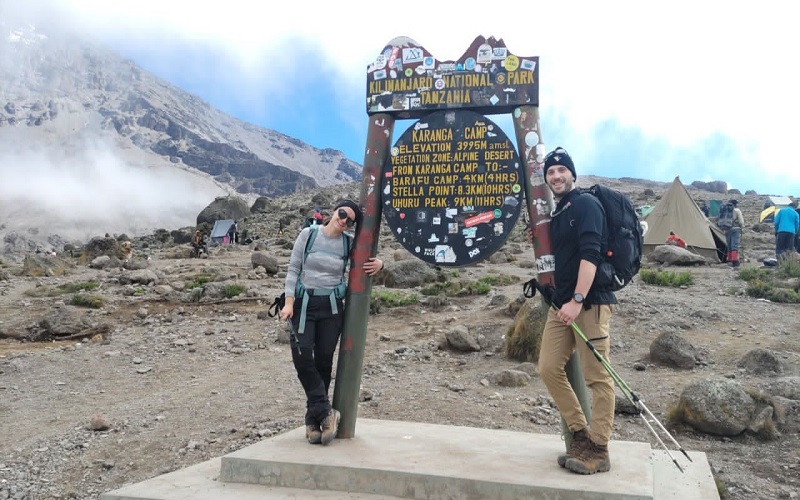
Climbing Mount Kilimanjaro
Climbing Mount Kilimanjaro is a dream for many travelers and adventure lovers from around the world. Standing at 5,895 meters (19,341 feet), Kilimanjaro is the highest mountain in Africa and the tallest free-standing mountain on Earth. Because it is so famous and does not require technical climbing, many people wonder if it is easy or extremely difficult.
So, how hard is it to climb Mount Kilimanjaro?
The honest answer is that it is challenging but achievable for most people who prepare well. You do not need special climbing skills, but you do need patience, good planning, and respect for altitude. Below is a complete and simple breakdown of what makes Kilimanjaro hard and why many people still succeed.

How Hard Is It to Climb Mount Kilimanjaro?
Climbing Mount Kilimanjaro is considered moderately difficult. It is not an easy walk, but it is also not a technical or dangerous mountain climb. You do not need special climbing skills, but you do need patience, preparation, and determination.
The main challenges come from high altitude, long walking days, cold weather, and mental effort, especially near the summit. The mountain slowly becomes harder as you gain height, and your body must adjust to less oxygen.
Every year, thousands of people successfully reach the summit, including first-time hikers, older travelers, and people with average fitness. Success depends more on good acclimatization, walking slowly, and choosing the right route than on strength or athletic ability.
Climbing Mount Kilimanjaro comes with several challenges, but understanding them in advance helps you prepare better and increases your chances of success. The sections below explain the main factors that affect how hard the climb feels, including skills required, altitude, daily walking, summit night, weather, fitness, mental strength, route choice, and who can climb the mountain.
1. No Technical Climbing Required
One of the biggest advantages of Mount Kilimanjaro is that it does not require technical climbing skills. This means you do not need to climb steep rocks, ice walls, or use special mountaineering techniques. Kilimanjaro is a walking mountain, not a technical climb.
You will not need:
• Ropes or harnesses
• Ice axes or crampons
• Climbing experience or special training
The entire climb is done by walking on well-established and clearly marked trails. There are no sections where you need to use your hands to climb or where special equipment is required.
Professional and experienced mountain guides lead the group from start to finish. They set a slow and steady pace, monitor your health daily, and watch carefully for signs of altitude sickness. Guides are trained to make safety decisions and provide support when needed.
Because of this, Mount Kilimanjaro is suitable for beginners and people with little or no hiking experience, as long as they prepare properly, choose a good route, and follow their guide’s advice.
2. Altitude Is the Biggest Challenge
The biggest challenge on Kilimanjaro is altitude. As you climb higher, the air becomes thinner and contains less oxygen. This makes breathing harder and reduces your energy levels.
At high altitude, many climbers experience:
• Headaches
• Tiredness and weakness
• Shortness of breath
• Loss of appetite
• Difficulty sleeping
Altitude sickness can affect anyone, including very fit and athletic people. This is why acclimatization is extremely important. Walking slowly, drinking plenty of water, taking rest days, and choosing a longer route give your body time to adjust and greatly improve your chances of reaching the summit safely.
3. Long Walking Days
Most days on Mount Kilimanjaro involve 5 to 8 hours of walking, and on some days it can be longer. The pace is slow and steady, but walking for many hours day after day can be tiring, especially at higher altitudes where the air is thinner.
Walking conditions may include:
• Rocky and uneven trails – Some paths are rough and require careful footing.
• Dusty or sandy paths – These can make walking feel harder and more tiring.
• Gentle slopes mixed with steep sections – Some parts are easy, while others require more effort and patience.
You only carry a small daypack with essentials like water, snacks, and warm clothing, as porters carry your main bag. Even with a light pack, repeated days of walking at altitude can be physically demanding, especially if you are not used to long hikes.
Walking slowly, taking regular breaks, drinking enough water, and conserving your energy are very important. By pacing yourself and listening to your body, you can manage the long days and stay strong throughout the climb.
4. Summit Night Is the Hardest Part
Summit night is widely considered the hardest and most demanding part of the entire Mount Kilimanjaro climb. It usually begins around midnight, after only a few hours of sleep, and can last 8 to 14 hours, including the climb to the summit and the long descent back down to a lower camp.
Starting at night helps climbers reach the summit at sunrise and descend before the strong daytime sun. However, climbing in the dark while already tired makes this stage especially challenging.
What makes summit night especially difficult:
• Very cold temperatures – Temperatures are often well below freezing, and strong winds can make it feel even colder.
• Steep paths with loose gravel – The trail is steep and slippery in places, requiring slow and careful steps.
• Extremely high altitude and low oxygen – Breathing is much harder near the summit, and even small movements can feel exhausting.
• Darkness and extreme tiredness – Climbing through the night with limited sleep tests both your body and mind.
Climbers move slowly in a long line, taking one step at a time. Guides encourage a steady pace and frequent short breaks. Mental strength is very important during this stage, as your body may feel weak, but your mind keeps you moving forward.
Reaching Uhuru Peak at sunrise is an emotional and unforgettable moment. Watching the sun rise over Africa from the highest point on the continent makes all the effort worthwhile, and for many climbers, it is the highlight of the entire journey.
5. Cold Weather and Changing Conditions
Mount Kilimanjaro has several climate zones, and during the climb you pass through all of them. As you gain altitude, the weather and temperatures change quickly, sometimes even within the same day. This is one of the reasons Kilimanjaro feels challenging.
You will experience:
• Warm and humid rainforest at lower altitudes – The climb begins in a green forest with higher temperatures and occasional rain. The air can feel warm and damp, especially in the first few days.
• Cool and windy conditions in the middle zones – As you climb higher, the landscape becomes open and dry. Days are cooler, and strong winds are common, especially in the afternoons.
• Very cold, icy, and snowy conditions near the summit – Near the top, temperatures often drop below freezing. Frost, ice, and sometimes snow are common, especially during summit night.
Being properly dressed is essential for comfort and safety. Wearing layers allows you to add or remove clothing as temperatures change throughout the day and night. Cold weather can make walking more difficult and tiring, but good-quality clothing, warm gloves, hats, and insulated jackets make a big difference. With the right gear, most climbers are able to manage the cold comfortably and continue safely toward the summit.Top of FormBottom of Form
6. Fitness Level: How Fit Do You Need to Be?
You do not need to be extremely fit or athletic to climb Mount Kilimanjaro, but basic fitness is important. The climb is not about speed or strength. It is mainly about endurance, meaning your ability to keep walking for several hours each day over many days.
Many people with average fitness successfully reach the summit by walking slowly, resting well, and following their guide’s pace. What matters most is being comfortable with long days of walking rather than being able to run or lift heavy weights.
Good preparation includes:
• Regular walking or hiking – This helps your body get used to being on your feet for many hours.
• Cardio exercises such as cycling, jogging, or swimming – These improve heart and lung fitness and help with stamina.
• Training on hills or stairs – This prepares your legs for uphill walking and builds endurance.
Even very fit people can struggle on Kilimanjaro if they walk too fast, skip rest days, or ignore altitude acclimatization. On this mountain, slow and steady walking, proper hydration, and listening to your body are far more important than being fast or strong.
7. Mental Strength Matters a Lot
Climbing Mount Kilimanjaro is a mental challenge as much as a physical one. Even if your body feels strong, your mind is tested by long walking days, basic camp conditions, cold nights, and slow progress at high altitude. Staying focused and positive is very important throughout the climb.
Mental challenges include:
• Staying positive when tired – Walking for many hours can be exhausting, especially after several days on the mountain. Keeping a positive mindset helps you continue even when your energy feels low.
• Managing discomfort and cold – Cold temperatures, simple toilets, and sleeping in tents can feel uncomfortable. Accepting these conditions and focusing on the goal makes them easier to handle.
• Trusting your guides and the process – Guides understand the mountain, altitude, and pace needed for success. Trusting their advice and experience helps keep you safe and calm.
• Taking one step at a time – Progress on Kilimanjaro is slow, especially near the summit. Focusing on small steps instead of the final goal helps you avoid feeling overwhelmed.
A calm attitude, patience, and strong determination help you push through difficult moments. This mental strength is especially important on summit night, when fatigue, cold, and altitude are at their highest. With the right mindset, many climbers find they can go much further than they expected.
8. Route Choice Affects Difficulty
The route you choose plays a very important role in how difficult Mount Kilimanjaro feels. Some routes are longer and more gradual, while others are shorter and steeper. In general, routes with more days are easier and safer because they give your body enough time to adjust to the high altitude.
Good acclimatization reduces the risk of altitude sickness and greatly increases your chances of reaching the summit. Walking slowly over more days allows your body to adapt naturally to the thinner air.
Routes with higher summit success include:
• Northern Circuit (8–9 days) – This is the longest and most gradual route on Kilimanjaro. It has the highest success rate because it provides excellent acclimatization. The trail is quieter, less crowded, and ideal for climbers who want the best chance of reaching the summit.
• Lemosho Route (7–8 days) – This route is one of the best choices for first-time climbers. It offers beautiful scenery, a steady pace, and good altitude adjustment. With enough days, Lemosho balances comfort, views, and a high success rate.
• Machame Route with extra days – Machame is more challenging because it includes steeper sections. However, when extra acclimatization days are added, it becomes very effective. Climbers who go slowly on Machame often have excellent summit success.
Shorter routes are much harder because they rush the climb and give your body less time to adjust to altitude. This increases fatigue and the risk of altitude sickness, which is why longer routes are strongly recommended for most climbers, especially first-time visitors.
9. Age and Experience: Who Can Climb Kilimanjaro?
Mount Kilimanjaro can be climbed by people of many ages and backgrounds, not just experienced hikers or athletes. Every year, people from all over the world successfully reach the summit, each with different levels of fitness and experience.
• Beginners with no hiking experience – Many first-time hikers climb Kilimanjaro successfully. The trails are well marked, and professional guides set a slow, steady pace. With basic fitness and proper preparation, beginners can do very well on the mountain.
• Older travelers – Age is not a barrier on Kilimanjaro. Many older climbers reach the summit by choosing longer routes, walking slowly, and allowing enough time to acclimatize. Good health, patience, and a positive attitude are more important than age.
• Teenagers (with proper supervision) – Teenagers can climb Kilimanjaro if they are physically healthy and accompanied by adults and professional guides. They must be well prepared, follow instructions carefully, and be closely monitored for altitude-related symptoms.
There is no perfect age, weight, or body type for climbing Mount Kilimanjaro. You do not need to be fast, strong, or athletic. What matters most is good preparation, walking slowly, drinking enough water, listening to your body, and following your guide’s advice. With the right mindset and support, many people are capable of reaching the summit.
Is Climbing Kilimanjaro Worth the Effort?
Yes, it is absolutely worth it. Climbing Mount Kilimanjaro is challenging, but the rewards are much greater than the difficulties. The journey pushes you both physically and mentally, helping you discover your inner strength. Each day on the mountain brings new landscapes, fresh air, and a feeling of progress. With good preparation and a steady pace, many people of different ages and fitness levels successfully reach the top.
As you climb, you walk through rainforests, open moorlands, rocky slopes, and icy paths near the summit. Along the way, you meet friendly guides and porters who support and motivate you. The experience builds confidence, patience, and pride in yourself.
Reaching the summit gives:
• A strong sense of achievement – Standing at the top of Africa’s highest mountain makes you feel proud and accomplished after days of effort.
• Stunning views above the clouds – From the summit, you see the sunrise, glaciers, and endless landscapes stretching far below.
• Lifelong memories – The climb, the people you meet, and the moment you reach the top stay with you forever.
How Hard Is It Really?
Climbing Mount Kilimanjaro is hard, but not extreme. It is challenging because of altitude, endurance, and mental effort not because of technical difficulty.
With the right route, enough days, good preparation, and a positive attitude, most people can successfully reach the summit. Kilimanjaro is not about being the fastest or strongest. It is about going slowly, respecting the mountain, and enjoying the journey to the roof of Africa.