How Hard Is It to Climb Mount Kilimanjaro?
Climbing Mount Kilimanjaro is a life-changing adventure and a dream for many travelers. Standing at 5,895 meters (19,341 feet), it is the highest mountain in Africa and the tallest free-standing mountain in the world. Because of its height, many people worry that climbing Kilimanjaro is extremely hard or dangerous.
The good news is that Kilimanjaro is one of the most accessible high mountains on Earth. You do not need technical climbing skills, and thousands of ordinary people many with no mountain experience successfully reach the summit every year.
That said, Kilimanjaro is still a serious challenge. The difficulty comes mainly from high altitude, long walking days, and cold, changing weather, not from steep cliffs or technical climbing. With the right preparation, route choice, and professional support, most people can achieve this incredible goal.
Is Climbing Kilimanjaro Technically Difficult?
No. Mount Kilimanjaro is a trekking mountain, not a technical climb.
This means you do not need:
- Ropes or harnesses
- Rock or ice climbing skills
- Previous mountaineering experience
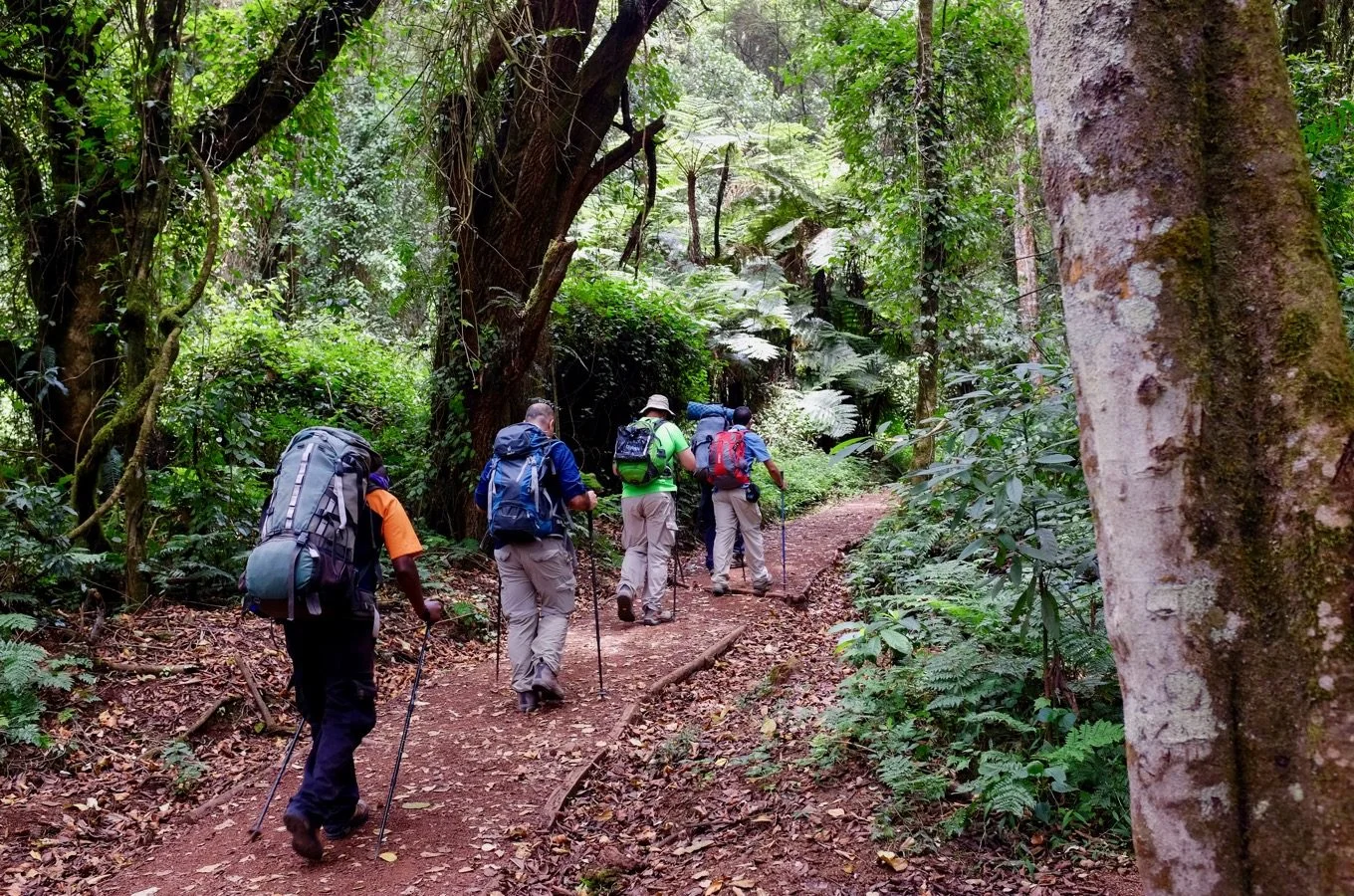
All Kilimanjaro routes follow well-established hiking trails. You walk the entire way to the summit. Some sections are uphill and tiring, but there are no dangerous climbing sections.
If you are comfortable walking for several hours a day and carrying only a small daypack, you already have the basic physical ability required.
The Real Challenge: High Altitude
The biggest challenge on Kilimanjaro is altitude sickness, also known as Acute Mountain Sickness (AMS).
As you climb higher, the air becomes thinner and contains less oxygen. Your body must work harder to breathe, sleep, and recover. This can cause symptoms such as:
- Headaches
- Nausea or vomiting
- Fatigue and weakness
- Shortness of breath
- Loss of appetite
Altitude affects everyone differently. Even very fit people can struggle, while less-fit climbers sometimes do very well. This is why climbing slowly, drinking enough water, and choosing a route with good acclimatization are extremely important.
How Fit Do You Need to Be?
You do not need to be an athlete or gym expert, but you should be in good general health and reasonably active.
On most days, you can expect:
- 5–7 hours of walking
- A slow, steady pace
- Gentle but continuous uphill sections
- Plenty of breaks
The climb is more about endurance than strength. Regular walking, hiking, stair climbing, or light cardio before the trip is usually enough preparation.
Mental strength is just as important as physical fitness. Staying calm, positive, and patient especially on harder days plays a big role in success.
Summit Night: The Hardest Part of the Climb
Summit night is the most demanding part of climbing Kilimanjaro.
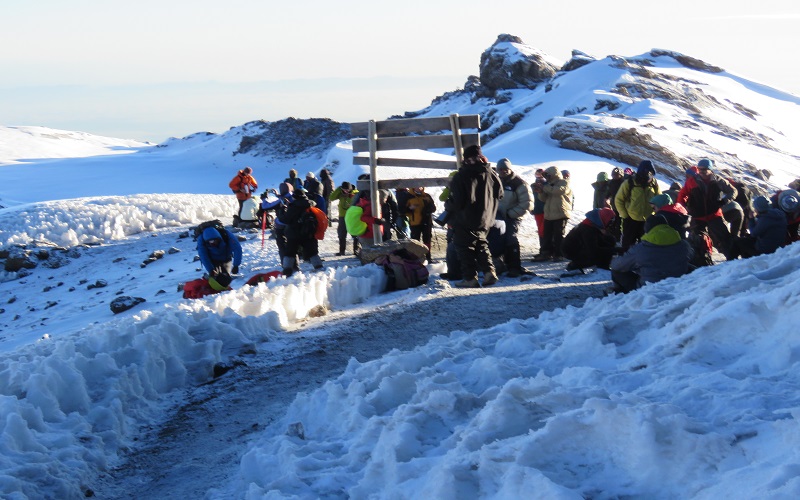
You usually start hiking around midnight, aiming to reach the summit at sunrise. During this time:
- Temperatures can drop well below freezing
- The air is very thin
- You walk slowly for many hours
The hike to Uhuru Peak can take 10–14 hours round trip. Most climbers feel tired, cold, and short of breath. Guides encourage you step by step, helping you keep moving safely.
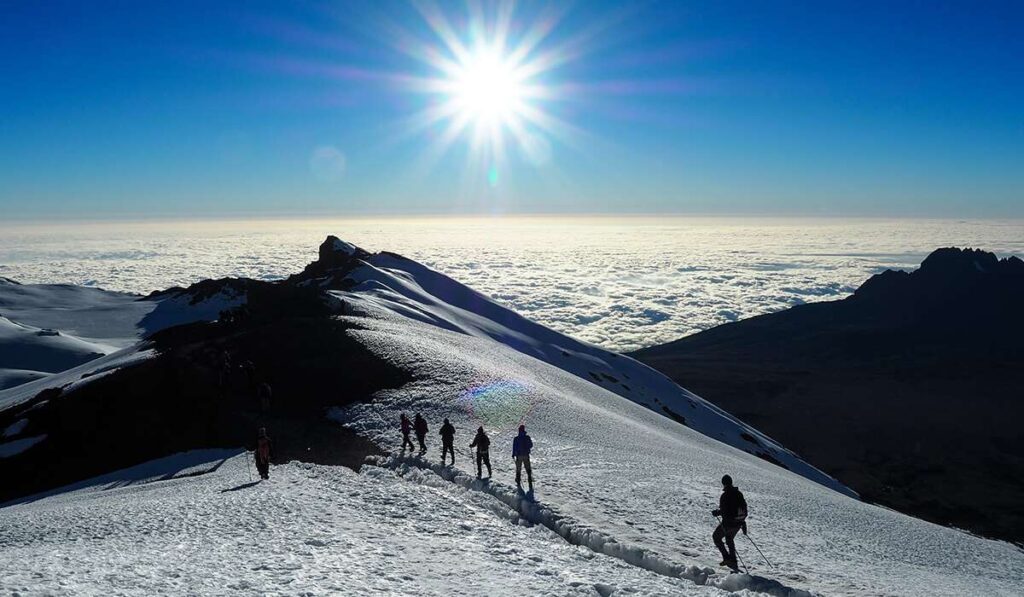
Although summit night is tough, reaching the top as the sun rises over Africa is an emotional and unforgettable moment for many climbers.
Kilimanjaro Routes and How They Affect Difficulty
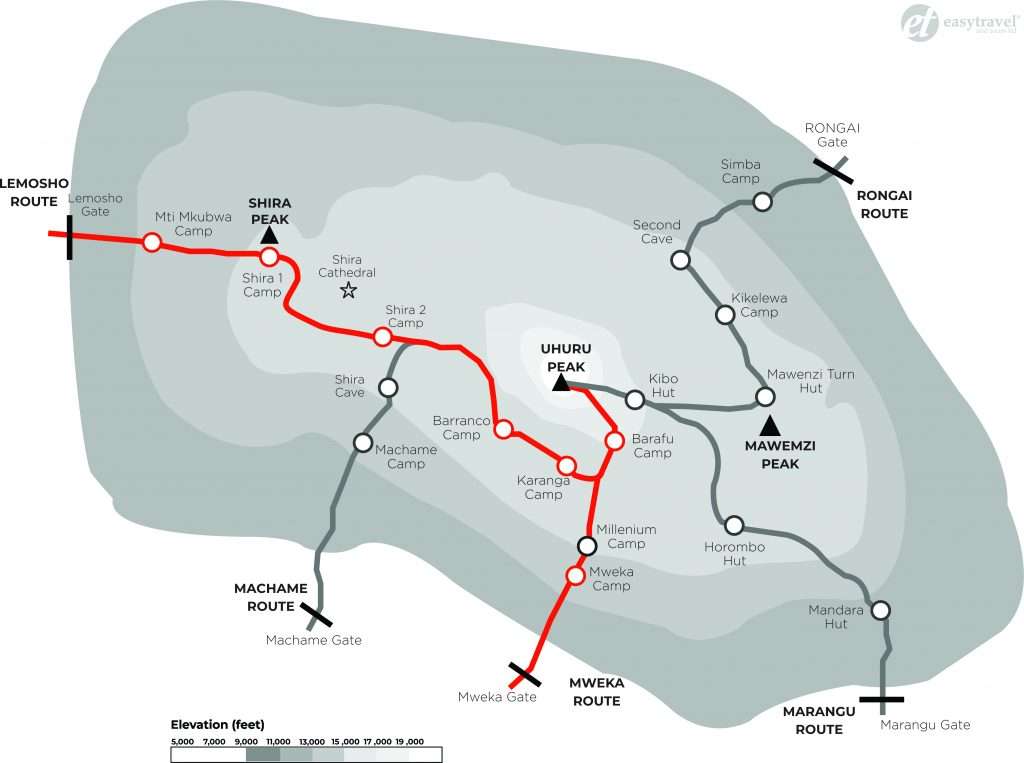
The route you choose plays a major role in how hard your Kilimanjaro climb will feel. Routes differ in length, steepness, number of days, crowd levels, and how well your body can adjust to altitude. In general, longer routes are easier and safer because they allow better acclimatization.
Marangu Route (5–6 Days)
The Marangu Route, often called the “Coca-Cola Route,” is the only route that uses huts instead of tents. It is shorter and more direct, which makes acclimatization more difficult.
- Hut accommodation
- Shorter ascent
- Lower success rate due to fewer days
Difficulty: Moderate but harder for altitude
Best for: Budget travelers and those who prefer huts
Machame Route (6–7 Days)
Machame is one of the most popular routes and offers some of the best scenery on the mountain. It has a good balance between challenge and acclimatization.
- Scenic landscapes
- “Climb high, sleep low” profile
- Busier during peak season
Difficulty: Moderate
Best for: First-time climbers who want great views
Lemosho Route (7–8 Days)
Lemosho is one of the best routes for altitude adaptation. The ascent is slow and gradual, making the climb feel more comfortable.
- Long and gradual ascent
- Excellent acclimatization
- Fewer crowds at the start
Difficulty: Easier due to better altitude adjustment
Best for: Beginners and climbers seeking high success rates
Rongai Route (6–7 Days)
The Rongai Route approaches Kilimanjaro from the north and is generally drier and quieter than other routes.
- Less crowded
- Good option in rainy season
- Steady ascent
Difficulty: Moderate
Best for: Climbers seeking solitude or rainy-season climbs
Umbwe Route (6–7 Days)
Umbwe is the steepest and most direct route on Kilimanjaro. It offers limited time for acclimatization.
- Very steep ascent
- Short acclimatization period
Difficulty: Very difficult
Best for: Experienced trekkers only
Northern Circuit Route (8–9 Days)
The Northern Circuit is the longest route and provides the best altitude acclimatization on the mountain.
- Slow and gradual ascent
- Very quiet and remote
- Highest success rate
Difficulty: Easiest in terms of altitude adaptation
Best for: Climbers who want maximum summit success
Which Route Is Best if You’re Worried About Difficulty?
If your main concern is how hard the climb will feel, the best choices are:
- Lemosho Route
- Northern Circuit Route
These routes give your body enough time to adapt to altitude, making the climb feel easier and more enjoyable.
Important Tip About Routes
Shorter routes may look easier, but they often feel harder because the ascent is rushed. On Kilimanjaro, more days usually mean less difficulty and higher success rates.
Best Time of Year to Climb Kilimanjaro
The time of year you climb can affect how difficult the experience feels.
Best months to climb Kilimanjaro:
- January to March – quieter, slightly colder, good conditions
- June to October – dry season, clear views, very popular
During these months, trails are drier and weather is more stable, making the climb more comfortable.
Rainy seasons are still climbable, but muddy trails, clouds, and rain can make the journey harder, especially for first-time climbers.
Route Choice and Its Impact on Difficulty
Not all Kilimanjaro routes are the same, and route choice greatly affects difficulty.
Routes with more days allow your body more time to adjust to altitude, which:
- Reduces altitude sickness
- Increases comfort
- Improves summit success rates
Shorter routes may look easier on paper, but they are often harder because the ascent is rushed.
Choosing the right route is one of the most important decisions you can make when planning your climb.
Success Rates: Why Some Climbers Don’t Reach the Summit
Most climbers who do not reach the summit fail for reasons unrelated to fitness.
Common reasons include:
- Climbing too fast
- Poor acclimatization
- Choosing very short routes
- Ignoring early altitude symptoms
With a slow pace, proper route selection, and experienced guides who monitor your health, the chances of reaching the summit increase significantly.
The Role of Guides, Porters, and Support Team
You never climb Kilimanjaro alone.
Your support team plays a huge role in making the climb easier and safer. They:
- Set a slow, comfortable pace
- Check your health daily
- Prepare meals and set up camp
- Carry heavy equipment and supplies
- Encourage and motivate you
Porters allow you to focus only on walking and breathing, making the experience much more manageable.
.webp)
Safety Measures and Emergency Support
Safety is always the top priority on Kilimanjaro.
Professional climbs include:
- Daily health checks
- Oxygen carried on the mountain
- Guides trained in altitude sickness response
- Emergency evacuation plans
If a climber shows serious symptoms, guides act immediately. Your health is always more important than reaching the summit.
What Happens If You Can’t Reach the Summit?
If your body does not adjust well to altitude, guides will safely escort you down the mountain.
This is not a failure. Many climbers feel proud just for attempting Kilimanjaro. Reaching a certain height on Africa’s highest mountain is already a major achievement.
Common Myths About Climbing Kilimanjaro
Myth: You must be extremely fit
Truth: Slow walking and good preparation are enough
Myth: Only young people can climb
Truth: People of many ages successfully reach the summit
Myth: Kilimanjaro is dangerous
Truth: With experienced guides, it is very safe
Who Is Kilimanjaro Suitable For?
Kilimanjaro is suitable for:
- First-time mountain trekkers
- Solo travelers
- Couples and groups
- Older travelers in good health
If you can walk, follow instructions, and stay positive, you can climb Kilimanjaro.
Frequently Asked Questions
Is Kilimanjaro harder than Everest Base Camp?
Kilimanjaro is shorter in distance but higher in altitude, so altitude feels more intense.
How cold does it get?
Summit temperatures can drop well below freezing, especially at night.
Can beginners climb Kilimanjaro?
Yes. Many successful climbers are beginners with no previous mountain experience.
With the right preparation, mindset, and support, climbing Mount Kilimanjaro is an achievable goal for many travelers. Success is not about being the fastest or the strongest. It is about walking slowly, staying patient, trusting your guides, and supporting one another along the way.
Every step on the mountain teaches resilience and confidence. The journey challenges you physically and mentally, but it also rewards you with breathtaking views, deep personal satisfaction, and a powerful sense of achievement.
Climbing Kilimanjaro is not just about reaching the summitit is about discovering your inner strength and believing in yourself.
Contact us today to start planning your Kilimanjaro adventure
Request a personalized itinerary or a custom quote
Let our experienced local team guide you safely and confidently to the top of Africa