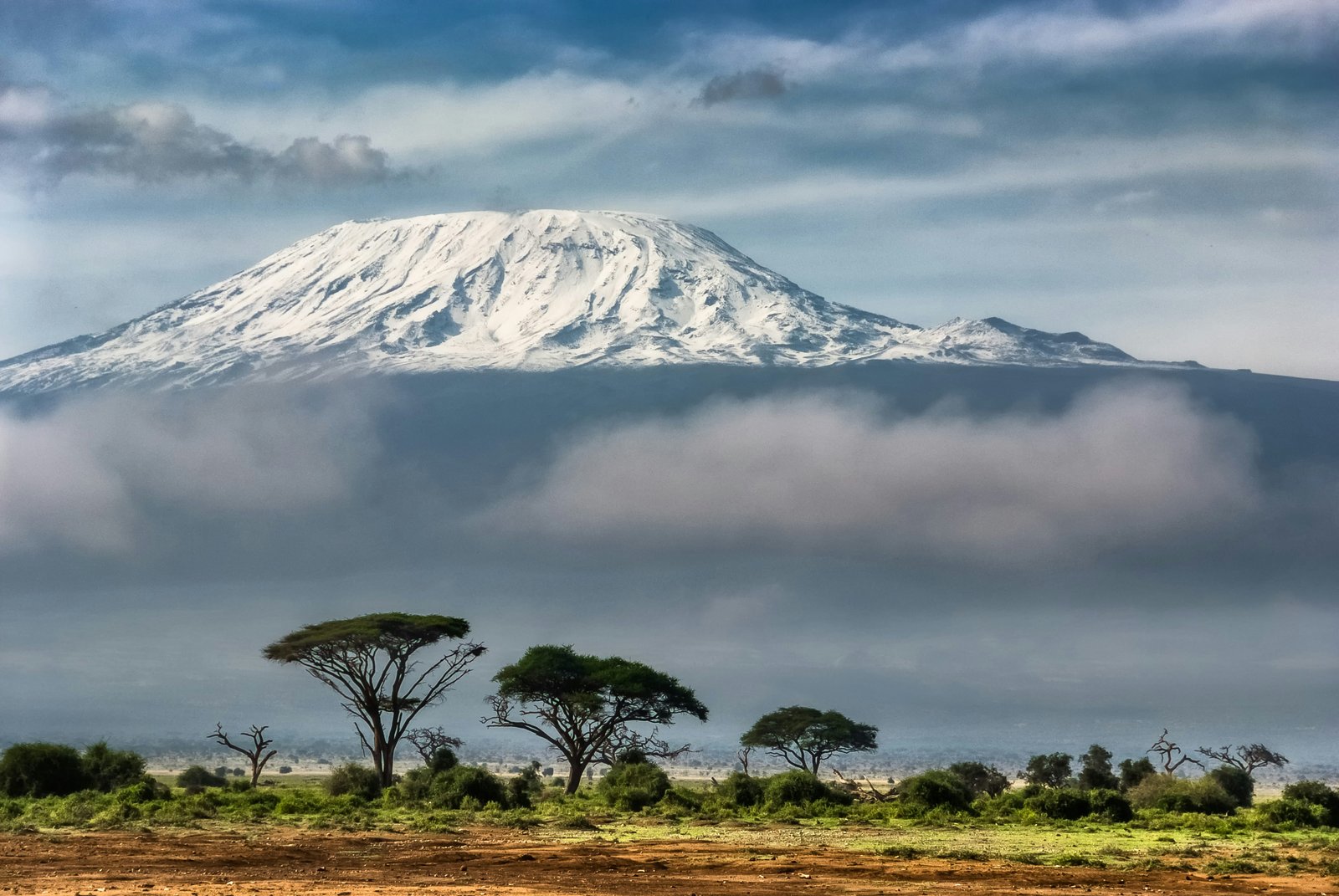
How Difficult Is Mount Kilimanjaro?
Climbing Mount Kilimanjaro is a straightforward, moderately to physically challenging trek that does not require mountaineering skills or the use of ropes. Most Kilimanjaro climbs take about 6–9 days, depending on the route you choose. The main challenge comes from the high altitude rather than technical climbing, you do not need much experience to climb Mount Kilimanjaro, but you need to be physically and mentally prepared and give your body enough time to adapt to the altitude.
The hardest part of climbing Kilimanjaro is the high altitude, especially during the final climb to Uhuru Peak. With proper preparation, a suitable Kilimanjaro route, and enough time to acclimatize, Rede Tours and Safaris can support you on your Kilimanjaro climb. Our experienced guides will help you, monitor your condition, and give you the guidance you need as you walk toward the Roof of Africa.
What Makes Climbing Mount Kilimanjaro Difficult?
1. Kilimanjaro Altitude Is the Biggest Challenge
Altitude is the biggest challenge when climbing Mount Kilimanjaro. The summit, Uhuru Peak, is 5,895 meters (19,341 feet) above sea level. As you climb higher, there is less oxygen in the air, so walking becomes harder and your body needs more time to adjust.
Some climbers may experience headache, nausea, tiredness, dizziness, or loss of appetite. Severe altitude sickness can be dangerous, so our guides monitor climbers closely and may ask a climber to descend if their condition becomes unsafe. You should always tell your guide if you feel unwell or notice unusual symptoms during your Kilimanjaro trek.
Kilimanjaro Altitude and Ecological Zones
As you climb Mount Kilimanjaro, the landscape and weather will change with the altitude. You will pass through different natural zones, starting with the rainforest and continuing through the heath and moorland, alpine desert, and finally the cold summit zone.
Each zone has its own scenery and conditions. As you climb higher, the air becomes thinner and your body will need more time to adjust to the Kilimanjaro altitude.
2. Physical Fitness Matters for Kilimanjaro Climbing
You do not need to be a very fit person to complete a Kilimanjaro climb, but good fitness and the ability to keep going are important. You should be comfortable walking for several hours and hiking on different types of ground.
Before your Mount Kilimanjaro trek, we recommend preparing with long hikes, running, cycling, swimming, leg exercises, and walking on several days in a row. Starting your training 8–12 weeks before the climb can help you feel stronger and more prepared.
3. Choose the Right Kilimanjaro Route
The Kilimanjaro routes are different in length, terrain, scenery, and acclimatization time. A longer route can give your body more time to adjust to the altitude and may improve your chance of reaching the summit. At Rede Tours and Safaris, we can help you choose a Kilimanjaro route that matches your fitness, available time, and trekking experience.
Marangu Route:Marangu is a shorter way to reach the summit and offers sleeping huts instead of tents. The trail is easy to follow, but because the climb is shorter, there is less time for your body to adjust to the altitude.
Machame Route:Machame is a more challenging Kilimanjaro route with camping along the way. It is popular for its beautiful views and gives you a good amount of time to get used to the altitude.
Lemosho Route:Lemosho starts from the western side of Mount Kilimanjaro and takes a longer approach to the summit. It offers beautiful scenery and allows more time for your body to adjust to the altitude.
Northern Circuit:The Northern Circuit takes the longest route around Mount Kilimanjaro. Its slow and gradual climb gives you more time to adjust to the altitude before reaching the summit.
4. Kilimanjaro Summit Night Is the Toughest
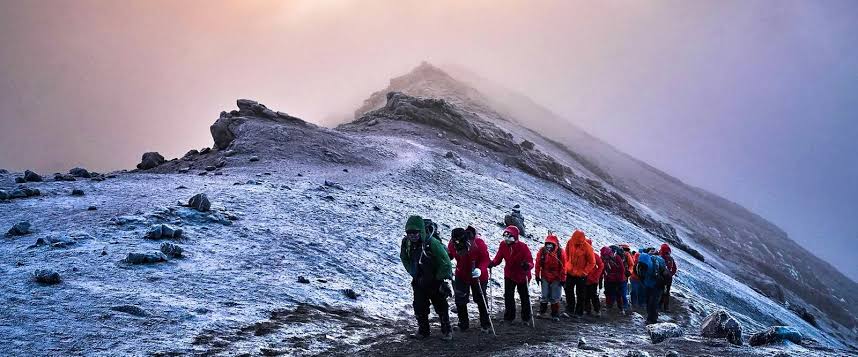
Summit night is usually the hardest part of climbing Mount Kilimanjaro. Most climbers start the final climb around midnight and walk for several hours in the dark. You may face freezing temperatures, strong winds, steep sections, and tiredness caused by the high altitude.
The climb to Uhuru Peak can be physically and mentally demanding, so walking slowly, resting when needed, and listening to your guide are very important during your Kilimanjaro summit climb.
5. Kilimanjaro Weather Can Change Quickly
The weather on Mount Kilimanjaro can change quickly as you climb higher. Along the way, you will pass through different areas, from the warm rainforest to the cooler moorland, alpine desert, and the cold summit zone.
Because temperatures can change during the day, wearing layers helps you stay warm and comfortable throughout your Kilimanjaro climbing experience.
Best Time to Climb Mount Kilimanjaro
The best time to climb Mount Kilimanjaro is generally during the drier months when the weather is more suitable for trekking. The main climbing seasons are usually from January to March and June to October.
However, weather can change quickly on the mountain at any time of year, so you should always be prepared for different conditions during your Kilimanjaro trek.
6. Proper Kilimanjaro Climbing Gear Is Essential
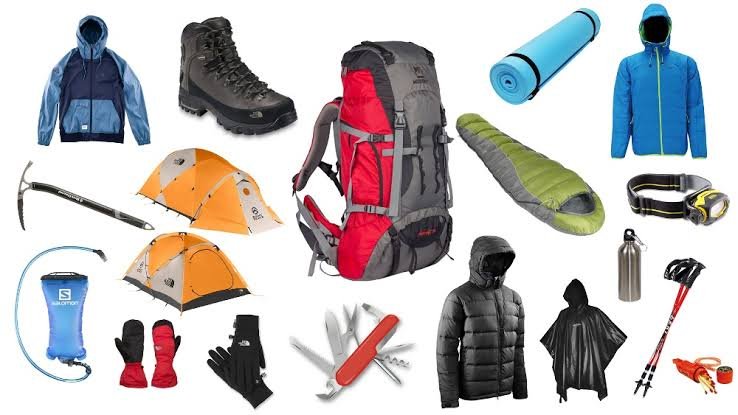
The right Kilimanjaro climbing gear can make a big difference during your trek. Good hiking boots, warm clothes, waterproof layers, thermal clothing, gloves, a warm hat, trekking poles, a headlamp, and a cold-weather sleeping bag are important. Make sure you use your gear before the climb so you know it fits well and is comfortable to use.
7. Go Slowly During Your Kilimanjaro Trek
During a Kilimanjaro climb, you will often hear your guide say “Pole pole,” which means “slowly, slowly” in Swahili. Walking at a slow and steady pace helps you save energy and gives your body more time to adjust to the altitude. This is especially important as you get higher and closer to Uhuru Peak.
8. Kilimanjaro Success Depends on Acclimatization
Acclimatization is one of the most important parts of climbing Mount Kilimanjaro. Your body needs time to adjust to the lower oxygen levels at high altitude.
Longer Kilimanjaro climbing itineraries, especially those lasting 7–9 days, generally give you more time to adjust than shorter climbs. A longer route does not make Kilimanjaro easy, but it can make the climb more manageable by allowing your body more time to adapt.
What Happens If You Cannot Continue Your Kilimanjaro Climb?
If you become seriously unwell or your guide believes it is unsafe for you to continue, you may need to descend to a lower altitude. Your guide will monitor your condition and help you make the safest decision.
Reaching the summit is important, but your safety should always come first during your Mount Kilimanjaro climb.
Climber’s Fitness for Mount Kilimanjaro
Good fitness can make your Mount Kilimanjaro climb more comfortable, but you do not need to be an elite athlete. You should have enough endurance to walk for several hours on consecutive days and handle uneven or steep ground.
Before your trek, you can prepare with long-distance walking, hill hiking, stair climbing, incline treadmill walking, leg exercises, core exercises, and cardiovascular training.
Start your Kilimanjaro training slowly and increase the distance and difficulty over time. Remember that physical fitness and altitude acclimatization are not the same. Even a very fit person can experience altitude sickness, while someone with moderate fitness may adjust well to the altitude.
Is Climbing Kilimanjaro Worth It?
Climbing Mount Kilimanjaro is a journey worth taking. When you reach Uhuru Peak, you will have the chance to watch the sunrise above the clouds, experience five different natural zones, and stand at the highest point in Africa.
The climb can be challenging, but you will enjoy beautiful views along the way, and reaching the summit will give you a strong sense of achievement and a memorable Kilimanjaro trekking experience.
Kilimanjaro Difficulty Rating
Kilimanjaro is often rated 7–8/10 in difficulty. The climb does not require special climbing skills, making the technical part easier. However, the long walking days and high altitude can be demanding. For this reason, the biggest challenges of Kilimanjaro climbing are physical endurance and altitude, not technical climbing.
Which Kilimanjaro Route Is Difficult?
The Machame Route is generally considered one of the more challenging Kilimanjaro routes because of its varied terrain and demanding hiking days, while the Lemosho Route is longer and offers more time for acclimatization, making it a good choice for trekkers who want a gradual Kilimanjaro climb. The Marangu Route has a more straightforward trail and mountain hut accommodation, but its shorter itineraries can provide less time to adjust to altitude. The Rongai Route approaches Mount Kilimanjaro from the northern side and offers a different mountain experience, while the Northern Circuit is the longest route and provides more time for acclimatization. Overall, no Kilimanjaro route is completely easy because altitude, long hiking days, and changing weather can make the climb challenging; the best route depends on your fitness, experience, preferred duration, and need for acclimatization.
How Long Should You Spend on Kilimanjaro?
For climbing Mount Kilimanjaro you should ideally spend 6–9 days on the mountain, depending on the route and your experience. While shorter climbs may seem cheaper and faster, high altitude should not be rushed. A longer Kilimanjaro climbing itinerary gives your body more time to adjust to the altitude and can make the trek more manageable. When choosing Kilimanjaro climbing packages, look beyond the number of days and choose an itinerary that provides enough time for gradual acclimatization.
Preparation for Kilimanjaro Climbing
Good preparation begins weeks or months before your arrival in Tanzania. This is how you should prepare:
Build your endurance.
Begin with regular walking and gradually increase your distance. Weekend hikes are particularly useful because they help you understand how your body responds to longer periods of walking.
Practice walking uphill.
Include hills, stairs, or incline treadmill sessions in your training.
Break in your hiking boots.
Never arrive in Tanzania with completely new hiking boots. Wear them during training so you can identify uncomfortable areas before your Kilimanjaro trek.
Prepare for cold weather.
Temperatures can become extremely cold near the summit. Bring suitable layers, warm gloves, a hat, thermal clothing, and appropriate outerwear.
Learn about altitude sickness.
Before climbing Kilimanjaro, understand the common symptoms of altitude illness and tell your guide immediately if you feel unwell. Do not try to hide symptoms simply because you want to reach the summit.
What Should You Pack for Kilimanjaro?
A good Kilimanjaro packing list should include the following:
- Hiking boots
- Comfortable trekking clothes
- Thermal base layers
- Warm fleece or jacket
- Waterproof jacket
- Waterproof trousers
- Warm gloves
- Hat and sun protection
- Headlamp
- Sunglasses
- Sunscreen
- Water bottles or hydration system
- Sleeping bag suitable for cold conditions
- Personal medications
- Basic toiletries
- Small backpack
- Trekking poles
Mental Preparation for Kilimanjaro Climbing
Climbing Kilimanjaro is also a mental challenge. You may feel tired, cold or unsure about continuing especially during summit night when you will walk for several hours at high altitude. Stay focused, walk at a steady pace, listen to your guide and rest when needed.
Try not to compare yourself with other climbers and stay positive when the climb becomes difficult. Instead of thinking about reaching 5,895 meters all at once, focus on the next step, the next rest point, and the next part of the climb.
Why Climb Kilimanjaro with Rede Tours and Safaris?
At Rede Tours and Safaris, your safety and success are our top priorities. Our experienced mountain guides will monitor your health daily, encourage proper acclimatization, and provide professional support throughout your Kilimanjaro climbing journey. When you climb Mount Kilimanjaro with us, you will benefit from experienced guides, quality camping equipment, nutritious mountain meals, daily health checks, and personalized service from arrival to departure. Our goal is to help you enjoy a safe, memorable, and successful Kilimanjaro adventure with us.
Frequently Asked Questions About Climbing Mount Kilimanjaro
Is Mount Kilimanjaro suitable for beginners?
Absolutely. Trekking Mount Kilimanjaro does not require technical skills, making it suitable for beginners with good preparation.
What is the hardest part of climbing Kilimanjaro?
The summit night is the most difficult part for many climbers because of the altitude, cold temperatures, and long hours of hiking.
What is the success rate for climbing Mount Kilimanjaro?
The success rate varies by route, but longer routes generally have higher summit success because they allow better acclimatization.
How long does it take to climb Mount Kilimanjaro?
This depends on the chosen route. Most Kilimanjaro climbs take 6–9 days. Longer itineraries improve acclimatization and can increase the chances of reaching the summit.
Do I need previous climbing experience?
Technical mountaineering experience is generally not required on the standard Kilimanjaro trekking routes. However, good preparation and endurance are important.
Can a beginner climb Mount Kilimanjaro?
Yes. Beginners can climb Kilimanjaro because the standard routes do not require technical climbing skills. However, you should prepare well and choose an itinerary that gives you enough time to adjust to the altitude.
What is the easiest Kilimanjaro route?
There is no route that makes Kilimanjaro easy because altitude is a challenge on every route. Marangu is often considered more straightforward because of its trail and hut accommodation, but the choice should also consider the number of days and acclimatization time.
How fit do I need to be to climb Kilimanjaro?
You do not need to be an elite athlete, but you should have enough fitness to walk for several hours on different types of ground and continue walking for several days.
What happens if I get altitude sickness?
If you develop symptoms of altitude sickness, you should tell your guide immediately. Your guide will monitor your condition and may recommend rest, stopping the ascent, or descending to a lower altitude if necessary.
How cold is it at the top of Kilimanjaro?
Temperatures near Uhuru Peak can be very cold, especially during the summit climb at night. You should bring warm layers, gloves, a hat, and suitable cold-weather gear.
Climb Mount Kilimanjaro with the Right Preparation
Mount Kilimanjaro is challenging, but its difficulty should not discourage well-prepared trekkers. The biggest lesson for every climber is that Kilimanjaro climbing is not simply a test of physical strength. Altitude, acclimatization, weather, endurance, preparation, and mental determination all play important roles.
With the right route, enough time, proper equipment, and professional guiding support from Rede Tours and Safaris, you can approach your Mount Kilimanjaro climb with greater confidence and a realistic understanding of what the adventure involves.
Ready to start your Kilimanjaro adventure? Rede Tours and Safaris can help you choose a suitable route and trekking itinerary based on your available time, experience, and travel plans. Contact us and take the first step toward standing on the Roof of Africa.
Rede Tours and Safaris (Amore African Safari)
📧 Email:redetours2005@gmail.com
📱 WhatsApp: +255 676 063 791
🌐 Website:www.redetoursandsafaris.com