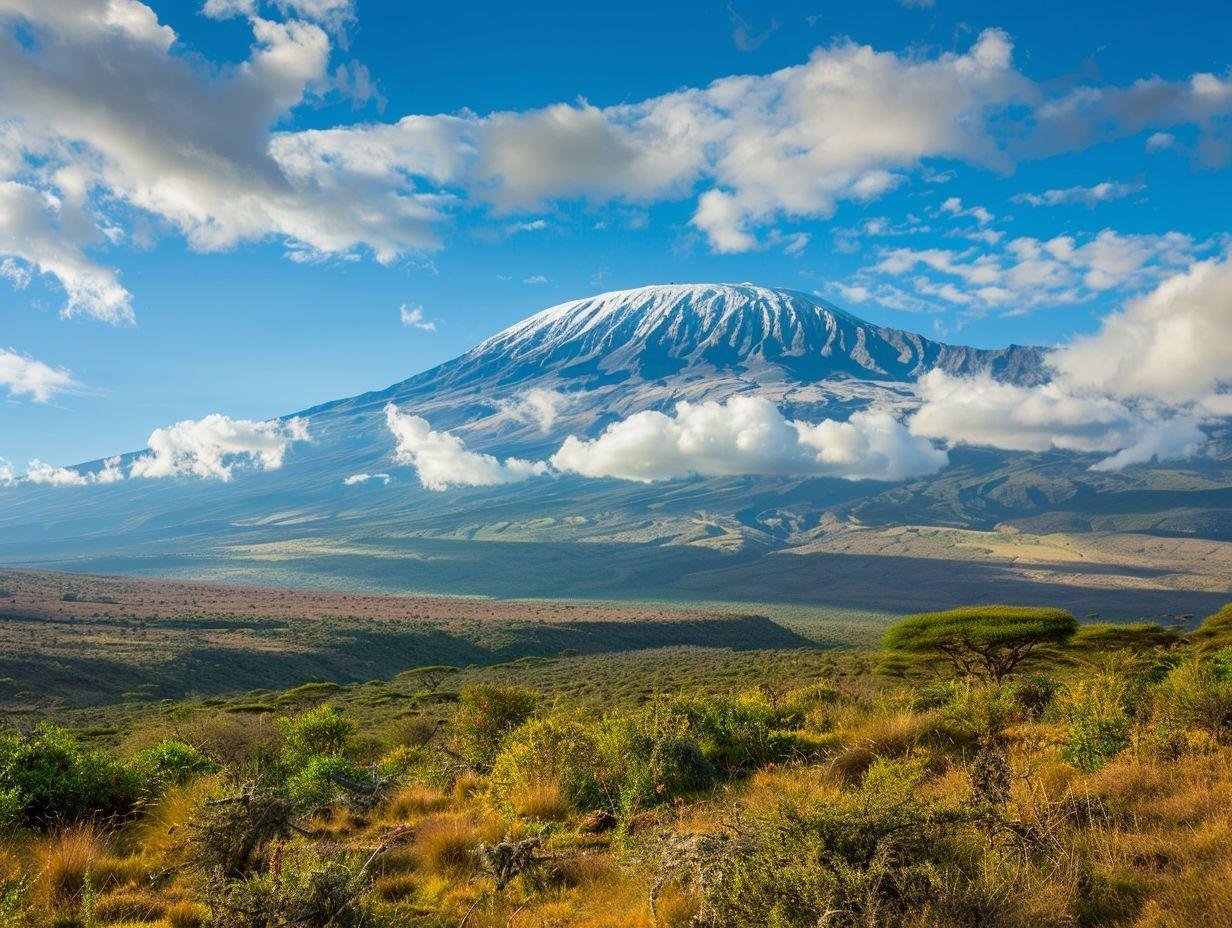
How Can Students Climb Mount Kilimanjaro on a Budget?
Climbing Mount Kilimanjaro is a dream for many students. You may think that climbing Africa’s highest mountain is too expensive, especially when you are studying and working with a limited budget. The good news is that students can climb Mount Kilimanjaro on a budget with good planning.
A student Kilimanjaro climb does not have to be expensive. You can choose an affordable route, join a group climb, share transportation, rent hiking equipment, and stay in budget accommodation. You do not need to choose expensive hotels, buy every piece of hiking equipment, or book a private climb. There are several simple ways to reduce your costs while still enjoying a safe, comfortable, and unforgettable Kilimanjaro adventure.
This guide will show you how to save money on your Kilimanjaro climb, from choosing the right route and joining a group to renting equipment and finding affordable accommodation.
Why Is Kilimanjaro Great for Students?
Mount Kilimanjaro can be a great adventure for students who want to challenge themselves and experience something different. You can meet travelers from different countries, explore Tanzania, enjoy beautiful mountain scenery, and create a memorable experience during your student years.
You also do not need to travel in luxury to enjoy Kilimanjaro. With a well-planned student Kilimanjaro budget, you can focus your money on the most important parts of the trip, such as a suitable route, experienced guides, proper equipment, food, transportation, and safety.
For students who enjoy outdoor adventures, a Kilimanjaro climb can also be a personal achievement. Reaching Uhuru Peak after several days of hiking can give you a strong feeling of accomplishment.
Can Students Climb Mount Kilimanjaro on a Budget?
Yes, students can climb Mount Kilimanjaro on a budget if they plan their trip carefully. A budget Kilimanjaro climb does not mean choosing the cheapest company or giving up important safety services. You still need experienced mountain guides, porters, park permits, meals, camping equipment, and transportation.
The best way to save money is to make smart choices, such as joining a group, choosing an affordable route, sharing transportation, renting equipment, and staying in budget accommodation. Student Kilimanjaro climbs can be affordable when you focus on good value instead of simply choosing the lowest price.
How Much Does It Cost for a Student to Climb Kilimanjaro?
The cost of a student Kilimanjaro climb depends on several things, including the route, number of days, group size, accommodation, equipment, and travel arrangements.
For many students, the Kilimanjaro climbing package itself may cost around US$1,300–$2,000 per person for a budget group climb, depending on the route, number of days, travel season, and services included.
When you add accommodation before and after the climb, transportation, equipment rental, tips, and personal expenses, a realistic overall budget may be around US$1,630–$2,850 per person, excluding international flights.
A longer route, private climb, or more comfortable accommodation will usually cost more. When planning your Mount Kilimanjaro budget, remember to include accommodation, transportation, equipment rental, tips, and personal expenses in addition to the main climbing package.
Typical Student Kilimanjaro Budget
| Expense | Approximate Cost |
|---|---|
| Group Kilimanjaro climb | $1,300–$2,000 |
| Hotel before/after climb | $50–$150 |
| Airport/transport costs | $30–$100 |
| Equipment rental | $50–$200 |
| Tips for mountain crew | $150–$250 |
| Personal expenses | $50–$150 |
| Estimated total excluding flights | $1,630–$2,850 |
These are general planning figures, and the actual Kilimanjaro climbing cost can change depending on your route, travel dates, group size, tour operator, and included services. The group-climb price is the main climbing package, while the higher overall estimate includes additional travel expenses such as accommodation, equipment rental, tips, and personal costs.
Before booking, ask for a complete price that clearly shows what is included and what you will need to pay separately. Most importantly, do not choose a tour company only because it offers the cheapest Mount Kilimanjaro climbing package. A very low price may leave out important services or provide poor working conditions for guides and porters.
How Can Students Save Money When Climbing Kilimanjaro?
1. Choose a Group Joining Kilimanjaro Climb
One of the easiest ways for students to reduce the cost of climbing Mount Kilimanjaro is to join a group climb. When you book a private Kilimanjaro climb, you pay for services arranged especially for you or your private group.
With a Kilimanjaro group joining climb, you travel and climb with other people, allowing some costs to be shared. You may share guides, porters, camping equipment, transportation, and other climbing costs. This makes group Kilimanjaro climbing a good option for students who want an affordable mountain adventure.
Why Is Group Climbing Good for Students?
A group climb is not only good for your budget but can also make your Kilimanjaro adventure more enjoyable. You may meet other students, young travelers, backpackers, and adventure lovers from different countries.
You can walk together, talk during the trek, encourage each other during difficult sections, and celebrate together when you reach the summit. If your main goal is to climb Kilimanjaro on a budget, a small group joining climb is a great option to consider.
2. Choose an Affordable Kilimanjaro Route
Your choice of Kilimanjaro route can make a big difference to the total cost of your climb. Kilimanjaro has several routes, and each one has different prices, scenery, number of days, and camping arrangements.
Some routes are more affordable than others. When choosing an affordable Kilimanjaro route, look at the total price as well as the number of days, difficulty, scenery, and acclimatization opportunities. This will help you choose a route that gives you good value while still providing a suitable Mount Kilimanjaro trekking experience.
Marangu Route
The Marangu Route is often considered one of the more budget-friendly Kilimanjaro routes. One reason is that hikers sleep in mountain huts instead of tents. This can be a good choice if you want a simple Kilimanjaro climbing experience and do not want to camp every night.
However, the route is more direct than some other routes, so acclimatization can be more challenging for some hikers. Students considering the Marangu Route should look at both the price and the number of days before making a decision.
Machame Route
The Machame Route is one of the most popular routes on Kilimanjaro. It gives you beautiful mountain scenery and a great trekking experience.
You will camp during the climb, but joining a group can help make the cost more affordable. For many students, the Machame Route offers a good balance between Kilimanjaro climbing cost, scenery, and the overall hiking experience.
It can be a good option if you want an affordable adventure while enjoying different landscapes along the way.
Lemosho Route
The Lemosho Route is known for its beautiful scenery and longer approach to the summit. Because it normally takes more days, it can cost more than some shorter routes.
However, the extra days can give your body more time to adjust to the altitude. If you have a little more room in your student Kilimanjaro budget, the longer Lemosho Route may be worth considering because it combines beautiful scenery with more time on the mountain.
Which Route Is Best for a Student Budget?
If saving money is your main goal, compare the Marangu and Machame routes and look carefully at what each package includes.
But do not choose a route based only on price. The number of days is also important because your body needs time to adjust to high altitude. Spending a little more on a suitable itinerary can be a much better choice than choosing a very cheap and rushed climb.
3. Do Not Choose the Shortest Route Just to Save Money
A shorter Kilimanjaro climb may look cheaper because you spend fewer days on the mountain. However, shorter does not always mean better or safer.
At high altitude, your body needs time to adjust to lower oxygen levels. A longer climb gives you more time to acclimatize and may give you a better chance of reaching the summit.
As a student, it is understandable that you want to save money, but do not choose the shortest Mount Kilimanjaro route only because it has the lowest price. Save money where possible, but give your body enough time to adjust to the mountain.
4. Travel During the Shoulder or Low Season
The time of year you choose can also affect your Kilimanjaro travel budget. Kilimanjaro can be climbed during much of the year, but some months are busier than others.
During quieter travel periods, you may find better prices for hotels, transfers, flights, safari packages, and other travel services.
However, some quieter months can have more rain and difficult trekking conditions. Before choosing a cheaper travel period, make sure you understand the weather. Saving a little money is not worth it if bad weather makes your Kilimanjaro climb much harder than necessary.
5. Share Transportation Costs
Transportation is another area where students can save money during their Kilimanjaro adventure. If you travel alone, private transfers can cost more.
Instead, ask your tour operator if you can share transportation with other travelers. You may be able to share airport transfers, hotel transfers, transportation to the mountain, and transportation after the climb.
If you are traveling with friends or joining a group Kilimanjaro climb, sharing transportation can make your overall trip more affordable.
6. Rent Kilimanjaro Equipment Instead of Buying Everything
You do not need to buy every piece of hiking equipment for your Mount Kilimanjaro climb. If you are a student and do not normally go hiking, buying expensive mountain equipment may not make sense.
Depending on the operator and rental service, you may be able to rent sleeping bags, trekking poles, warm jackets, down jackets, waterproof jackets, trekking trousers, backpacks, headlamps, and other mountain equipment.
Renting Kilimanjaro climbing equipment can save you money and is especially useful if you do not expect to use the equipment again after your trip.
What Should Students Bring From Home?
Bring personal items that you already own and that are suitable for the climb. These may include comfortable hiking shoes, hiking socks, base layers, T-shirts, personal toiletries, sunglasses, sunscreen, a water bottle, personal medication, a small daypack, gloves, and a warm hat.
Before your trip, ask your tour operator for a complete Kilimanjaro packing list. This will help you know what you need to bring and what you can rent.
7. Borrow Equipment From Friends or Family
Another easy way to reduce your student Kilimanjaro climbing cost is to borrow hiking equipment.
If your friends or family members enjoy hiking, ask if they have equipment you can use. You may be able to borrow trekking poles, hiking clothes, gloves, warm layers, a headlamp, a backpack, or a sleeping bag.
This can help you avoid buying things that you may only use once. Before your climb, check that everything fits well and is still in good condition.
8. Stay in Affordable Accommodation Before and After the Climb
You do not need to stay in a luxury hotel before or after climbing Kilimanjaro. Moshi and Arusha have different types of accommodation for different budgets.
As a student, you can choose budget hotels, hostels, guesthouses, simple lodges, or shared rooms. The most important thing is to have a clean, safe, and comfortable place to rest before and after your Kilimanjaro trekking adventure.
Instead of spending a lot of money on a luxury hotel, you can use that money for your mountain climb or other important travel expenses.
9. Bring Snacks From Home
Most organized Kilimanjaro climbs include meals during the trek. However, you may want to bring a few of your favorite snacks from home.
Energy bars, chocolate, nuts, dried fruit, biscuits, electrolyte drinks or powders, and small sweets can be useful during long hiking days. You do not need to bring a large amount.
A few familiar snacks can help you feel more comfortable and give you something you enjoy during your Kilimanjaro trekking adventure. Always check airline rules before packing food.
10. Avoid Unnecessary Luxury Extras
If you are trying to climb Mount Kilimanjaro on a budget, you do not need to pay for every luxury option.
You may not need luxury hotel upgrades, private transfers, private climbing groups, expensive meals before the climb, new equipment that you can rent, premium room upgrades, or extra activities that are not important to your trip.
Instead, focus your money on the things that really matter, such as safety, experienced guides, enough trekking days, good equipment, proper food, and reliable transportation.
This will help you enjoy your budget Kilimanjaro climb without spending more than necessary.
11. Book Directly With a Local Tanzania Tour Operator
Students should also think carefully about where they book their Kilimanjaro climbing tour.
Booking directly with a reputable local Tanzania tour operator can sometimes give you better value because the company works locally and can arrange the different parts of your trip.
Before booking, make sure the company clearly explains what is included, what is not included, the route, number of trekking days, accommodation, meals, park fees, guide services, porter services, transportation, equipment available for rent, emergency arrangements, and tipping recommendations.
Always ask for a complete quotation before making your booking.
12. Compare Kilimanjaro Packages Carefully
Do not compare Kilimanjaro packages by looking at the final price only. Two companies may offer the same route but include different services.
When comparing packages, check whether the price includes park fees, camping or hut fees, mountain crew, guides, porters, meals, drinking water, accommodation, transportation, airport pickup, hotel nights, emergency arrangements, and equipment rental.
A package that costs a little more may actually give you better value if it includes important services that another company charges separately.
Always compare what you are getting, not just how much you are paying.
13. Travel With Friends
If you are planning to climb Kilimanjaro with classmates or friends, traveling together can help you control your costs.
You may be able to share transportation, accommodation, transfers, and other travel expenses. Traveling with friends also makes the experience more enjoyable.
You can train together before the trip, prepare your equipment together, and support each other during the climb. When you reach the summit, you will have people you know there to celebrate with you.
14. Start Saving Early
One of the easiest ways to make climbing Mount Kilimanjaro affordable for students is to start saving early.
You do not have to find all the money at once. Create a simple monthly savings plan based on your expected Kilimanjaro climbing cost.
For example, if your pre-flight budget is $2,000 and you have 10 months to prepare, you could aim to save about $200 per month.
You can also reduce small unnecessary expenses before your trip. Even small savings can add up over several months, making it easier to reach your Kilimanjaro budget.
15. Look for Student-Friendly Travel Deals
As a student, it is always worth asking tour operators if they offer student discounts, group discounts, seasonal offers, group joining options, or special rates for student groups.
Not every company offers student discounts, but asking does not hurt. If you are traveling with several classmates, tell the tour operator how many people are interested.
A larger group may help you get a better overall price for your student Kilimanjaro adventure.
16. Spend More on Safety, Not Luxury
This is the most important rule when you want to climb Kilimanjaro on a budget.
Never save money by reducing your safety. Do not choose a tour operator simply because it offers a price that is much lower than everyone else.
Your budget should never mean skipping professional guides, reducing important safety support, removing emergency arrangements, using unsuitable equipment, ignoring altitude symptoms, choosing a poorly planned itinerary, reducing food or water supplies, or avoiding proper mountain permits.
You can save money on hotels, transportation, and equipment rentals, but you should never try to save money on Kilimanjaro safety and responsible mountain operations.
What Is Included in a Budget Kilimanjaro Climb?
A properly organized budget Kilimanjaro climb will usually include many of the following services.
Park and Mountain Fees
You need official permits and park fees to climb Kilimanjaro. These fees can make up a large part of the total Kilimanjaro climbing cost.
When comparing different packages, check whether these fees are already included in the advertised price.
Professional Mountain Guide
A trained mountain guide leads your group and helps manage the climb. Your guide also watches the group, helps you follow the route, and supports you during difficult sections.
Having a professional guide is an important part of a safe Mount Kilimanjaro climb, so this is not an area where students should try to cut costs.
Porters
Porters carry much of the camping equipment and group luggage. They are an important part of a well-organized Kilimanjaro climb and help make it possible for hikers to focus on walking and enjoying the mountain.
Meals
Meals are normally prepared by the mountain crew during the trek. Good meals help give you the energy you need for long hiking days.
Ask your tour operator what meals are included in your Kilimanjaro climbing package.
Camping Equipment
Depending on the route, tents and other camping equipment are normally provided by the tour operator.
If you are choosing a budget Kilimanjaro climb, ask exactly what camping equipment is included before booking so you know what you need to bring or rent.
Transportation
Most organized climbs include transportation between your hotel and the mountain gate.
Make sure you confirm exactly what transfers are included before booking your Kilimanjaro trekking package.
What Is Usually Not Included?
You should also prepare money for expenses that may not be included in your Kilimanjaro climbing package.
These may include international flights, Tanzania visa, travel insurance, personal shopping, tips, personal drinks, equipment rental, hotel upgrades, extra activities, personal laundry, additional hotel nights, and other personal expenses.
Ask your tour operator for a clear included and excluded list before you pay. This will help you understand your real Kilimanjaro budget and avoid unexpected costs.
How Much Money Should Students Bring?
You do not need to carry a large amount of cash during your Kilimanjaro adventure. However, it is useful to have some money available for tips, snacks, drinks, small purchases, souvenirs, extra transportation, and unexpected personal expenses.
Your tour operator can advise you about how much local cash you may need during your trip. Planning this money before your climb can help you stay within your student travel budget.
Student-Friendly Kilimanjaro Budget Example
Here is a simple example of how a student can plan a Mount Kilimanjaro budget.
Before the Climb
Budget group climb: $1,500–$1,900
Budget hotel: $30–$60 per night
Equipment rental: $50–$150
Transport: $30–$80
Personal expenses: $50–$100
During the Climb
Your package may already include park fees, mountain crew, meals, camping, water, and transportation. You should also keep money for crew tips, based on the tipping guidance provided by your tour operator.
After the Climb
Keep some extra money for food, accommodation, transportation, souvenirs, and emergency expenses.
International flights should be calculated separately because prices depend on your departure country and travel dates.
Cheapest vs. Best Value Kilimanjaro Climb
There is an important difference between being cheap and getting good value.
The Cheapest Climb
A very cheap climb may offer fewer services, very basic accommodation, limited flexibility, fewer inclusions, or potentially lower-quality operations.
This is why students should not choose a cheap Kilimanjaro climb without first checking exactly what is included.
A Good-Value Climb
A good-value climb should offer professional guides, a proper mountain crew, suitable meals, reliable equipment, safe transportation, reasonable accommodation, enough days for acclimatization, clear pricing, and good organization.
As a student, good value is usually better than simply choosing the lowest Kilimanjaro climbing price.
How Can Students Prepare for Kilimanjaro Without Spending Much?
You do not need an expensive gym membership to prepare for Kilimanjaro trekking. You can train using simple activities that cost little or nothing.
Walking
Walk regularly and slowly increase the distance as your fitness improves. Regular walking can help prepare you for the long days you will spend on the mountain.
Hiking
If you have hills or mountains near you, practice hiking with a backpack. This gives you a chance to become comfortable walking for several hours and carrying your personal items.
Stairs
Walking up and down stairs can help build your leg strength and improve your endurance. This is a simple and free way to prepare for your Kilimanjaro climb.
Strength Training
You can do simple exercises such as squats, lunges, step-ups, planks, and calf raises. These exercises can help strengthen your legs and core without requiring an expensive gym membership.
Weekend Hikes
If possible, use your weekends for longer walks or hikes. This is also a good chance to test your hiking shoes, socks, backpack, and clothing before your real Mount Kilimanjaro adventure.
What Should Students Pack for Kilimanjaro?
A good Kilimanjaro packing list can help you avoid buying things you do not really need.
Clothing
Bring moisture-wicking base layers, hiking trousers, a fleece or warm mid-layer, a warm jacket, a waterproof jacket, a warm hat, gloves, hiking socks, and comfortable hiking boots.
Choosing the right clothing is important because temperatures can change greatly during the climb.
Personal Equipment
You may need a daypack, headlamp, sunglasses, water bottles, trekking poles, sunscreen, lip balm, and personal toiletries.
Some of these items may be available for rent, so check with your tour operator before buying them.
Documents
Keep your important documents safe, including your passport, visa information, travel insurance, flight details, emergency contacts, and tour operator information.
Your tour operator should give you a more complete Kilimanjaro packing list before your climb.
How Can Students Save Money on Flights?
International flights can be one of the biggest costs of a Kilimanjaro trip.
Students can try to reduce flight costs by booking early, comparing different airlines, checking different travel dates, being flexible with travel dates, comparing nearby airports, avoiding unnecessary baggage fees, and checking student travel programs where available.
Also, check baggage allowances carefully because hiking equipment can make your luggage heavier.
Should Students Combine Kilimanjaro With a Safari?
It depends on your budget. Tanzania is famous for its wildlife safaris, so you may want to combine your Kilimanjaro climb with a Tanzania safari.
However, adding a safari will increase your total travel cost. If your budget is limited, you can focus on Kilimanjaro first and add a short safari only if you still have enough money.
Popular parks near the Kilimanjaro area include Tarangire National Park, Lake Manyara National Park, Serengeti National Park, and Ngorongoro Conservation Area.
For students, a short group safari can sometimes be more affordable than booking a private safari.
Can Students Climb Kilimanjaro Without a Tour Company?
No. Kilimanjaro climbs must be organized through properly licensed local operators, and hikers must follow the mountain's official rules.
Trying to climb independently just to save money is not a good idea. A professional tour operator helps arrange park entry, mountain permits, guides, porters, meals, camping, transportation, and emergency support.
The money you spend on proper organization is an important part of having a safe and well-planned Mount Kilimanjaro climb.
Is Kilimanjaro Too Expensive for Students?
Not necessarily. Kilimanjaro is a major adventure and requires a reasonable budget, but students can make the trip more affordable with good planning.
The biggest savings usually come from joining a group, choosing a sensible route, sharing transportation, renting equipment, choosing budget accommodation, traveling during less busy periods, booking directly with a reliable local operator, avoiding unnecessary luxury extras, saving before the trip, and comparing what each package includes.
The most important thing is to save money without cutting anything that affects your safety.
Budget Kilimanjaro Climb: A Simple Student Plan
If you are a student planning your first Kilimanjaro adventure, this simple plan can help you get started.
Step 1: Set Your Total Budget
Decide how much you can afford to spend on the complete trip. Include the climbing package, accommodation, transportation, equipment, tips, flights, and personal expenses when planning your total budget.
Step 2: Choose Your Climbing Dates
Look at several possible dates instead of choosing only one. Flexible dates may help you find better prices for flights and accommodation.
Step 3: Compare Group Climbs
Ask different local tour operators for detailed prices. Compare the services included in each package instead of choosing only the lowest price.
Step 4: Choose Your Route
Compare the price, number of days, scenery, and acclimatization plan. Choose a route that fits both your budget and your ability.
Step 5: Rent Expensive Equipment
Do not buy expensive equipment that you may only use once. Ask about Kilimanjaro equipment rental before purchasing items such as sleeping bags, trekking poles, and warm jackets.
Step 6: Book Affordable Accommodation
Choose a clean, safe, and comfortable budget hotel. You do not need to spend a large part of your budget on luxury accommodation.
Step 7: Arrange Shared Transfers
Share transportation whenever possible. This can help reduce your overall Kilimanjaro travel cost.
Step 8: Prepare Physically
Start training several weeks before your climb. Walking, hiking, stairs, and simple strength exercises can help you prepare without spending a lot of money.
Step 9: Keep Emergency Money
Always keep some extra money for unexpected personal expenses. Having a small emergency budget can give you peace of mind during your trip.
Step 10: Enjoy the Adventure
Once you are on the mountain, take your time and enjoy the experience. Walk pole pole, encourage your fellow hikers, enjoy the changing scenery, and focus on reaching the summit one day at a time.
Frequently Asked Questions About Climbing Kilimanjaro on a Student Budget
Can students afford to climb Mount Kilimanjaro?
Yes. Students can make a Kilimanjaro climb more affordable by joining a group, choosing a suitable route, sharing transportation, renting equipment, and staying in budget accommodation. The most important thing is to plan your budget carefully and avoid cutting costs that affect your safety.
What is the cheapest way to climb Mount Kilimanjaro?
One of the most affordable options is to join a group Kilimanjaro climb instead of booking a private climb. You can also reduce your total costs by renting equipment, choosing budget accommodation, sharing transportation, and avoiding unnecessary luxury services.
How much money do I need to climb Kilimanjaro as a student?
A general budget for a group Kilimanjaro climb can be around US$1,500–$2,300 per person, excluding international flights. This is a general planning range for the overall trip, while the main climbing package may be lower depending on the route and included services. Your final cost will depend on your route, number of days, travel dates, group size, accommodation, and what your tour package includes.
What is the cheapest Kilimanjaro route?
The Marangu Route is often considered one of the more budget-friendly routes because hikers stay in mountain huts rather than tents. However, price should not be your only reason for choosing a route. The number of days and acclimatization are also important.
Can I rent Kilimanjaro climbing equipment?
Yes. Some Kilimanjaro climbing equipment can be rented in Tanzania, depending on the tour operator and rental service. Common rental items can include sleeping bags, trekking poles, warm jackets, waterproof clothing, backpacks, and other mountain equipment.
Can students climb Kilimanjaro in a group?
Yes. Group joining Kilimanjaro climbs are a popular option for travelers who want to reduce costs. You can share some climbing and transportation costs with other travelers while also meeting people from different countries.
Do I need to buy expensive hiking equipment?
No. You do not need to buy everything. You can bring suitable equipment that you already own, borrow items from friends or family, and rent more expensive equipment in Tanzania.
Is it safe to choose the cheapest Kilimanjaro company?
You should not choose a company based only on the lowest price. A reliable operator should provide proper guides, porters, permits, food, equipment, transportation, and appropriate safety arrangements.
Always compare what each company includes before booking your Mount Kilimanjaro climbing package.
Final Tips for Students Climbing Kilimanjaro on a Budget
Before booking your climb, keep these simple tips in mind:
- Plan early.
- Compare several tour operators.
- Ask exactly what is included.
- Choose a group joining climb if you want to reduce costs.
- Do not choose the shortest route only because it is cheaper.
- Rent expensive equipment when possible.
- Stay in affordable accommodation.
- Share transportation.
- Bring useful equipment from home.
- Train without spending a lot of money.
- Keep money aside for tips and emergencies.
- Never sacrifice safety just to save money.
Book Your Student Kilimanjaro Adventure
Climbing Mount Kilimanjaro can be one of the most exciting experiences of your student years.
You may be studying, working with a limited budget, or saving for your first big adventure, but that does not mean you have to give up on your dream of standing on the Roof of Africa.
With the right planning, a group Kilimanjaro climb can help you control your costs while giving you the chance to meet other travelers and enjoy the mountain together.
The most important thing is to choose a reliable local tour operator, select a suitable route, prepare properly, and spend your money on the things that really matter.
Rede Tours and Safaris can help you plan an affordable and well-organized Kilimanjaro adventure. Our team can arrange experienced local mountain guides, mountain crew, transportation, accommodation, and travel packages based on your needs and budget.
Whether you are traveling alone, with classmates, or with a group of friends, we can help you plan your student Kilimanjaro climb around your budget.
Start planning your Kilimanjaro adventure today and take the first step toward standing on the Roof of Africa.