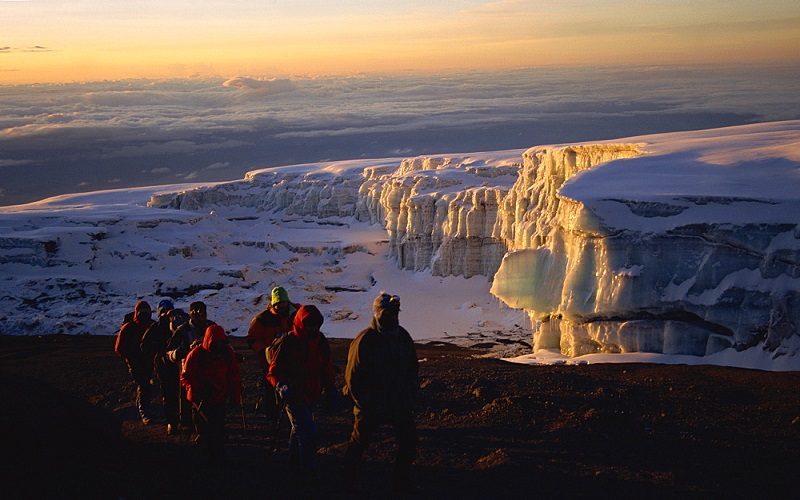
Climbing Mount Kilimanjaro During the Rainy Season
Mount Kilimanjaro can be climbed all year round, including during the rainy season. Many people avoid this time because of rain, but climbing Kilimanjaro in the rainy season also has several advantages. With good preparation and the right expectations, it can still be a safe and enjoyable adventure.
This guide explains what the rainy season is, what to expect, the pros and cons, the best routes, and important tips to help you decide if climbing during this time is right for you.
When Is the Rainy Season on Mount Kilimanjaro?
Mount Kilimanjaro has two rainy seasons during the year. During these periods, weather conditions are wetter and more unpredictable. Climbing is still possible, but extra care, good gear, and proper planning are very important.
Understanding the rainy seasons helps climbers choose the best time to go and prepare for the conditions they may face.
Long Rainy Season (March to May)
This is the wettest period on Mount Kilimanjaro and is considered the main rainy season.
- Heavy rain, especially in the afternoons and evenings
Rain can fall for many hours, sometimes daily. Mornings may start clear, but rain often begins later in the day. This can make long hiking days more difficult and uncomfortable. - Trails can be muddy and slippery
Paths on the lower and middle slopes become soft and muddy. Rocks and tree roots can be slippery, increasing the risk of slipping if you are not careful. Good hiking boots and walking poles are very helpful during this time. - Fewer climbers on the mountain
Because many people avoid this season, the routes are quieter. This can be a good option for climbers who prefer less crowding and more privacy, but they must be prepared for wet conditions.
During this season, clouds are common, and views may be limited. However, the mountain is very green and beautiful at lower altitudes.
Short Rainy Season (November)
The short rainy season is less intense than the long rains and usually easier to manage.
- Lighter and shorter rains
Rainfall is usually not constant. It may rain for a short time and then stop. Some days may have little or no rain at all. - Often rain comes and goes quickly
Showers are usually brief, and weather can change fast. A rainy hour can be followed by sunshine, especially in the mornings. - Still possible to have clear mornings
Many climbers enjoy clear mornings with good views before clouds build up later in the day. This makes hiking more pleasant during the early hours.
November is often chosen by climbers who want fewer crowds but do not want to face very heavy rain.
Rainfall by Altitude on Kilimanjaro
Rain does not fall equally across the mountain.
- Lower slopes receive the most rain because of forests and warm air
- Middle slopes also get frequent rain and mist
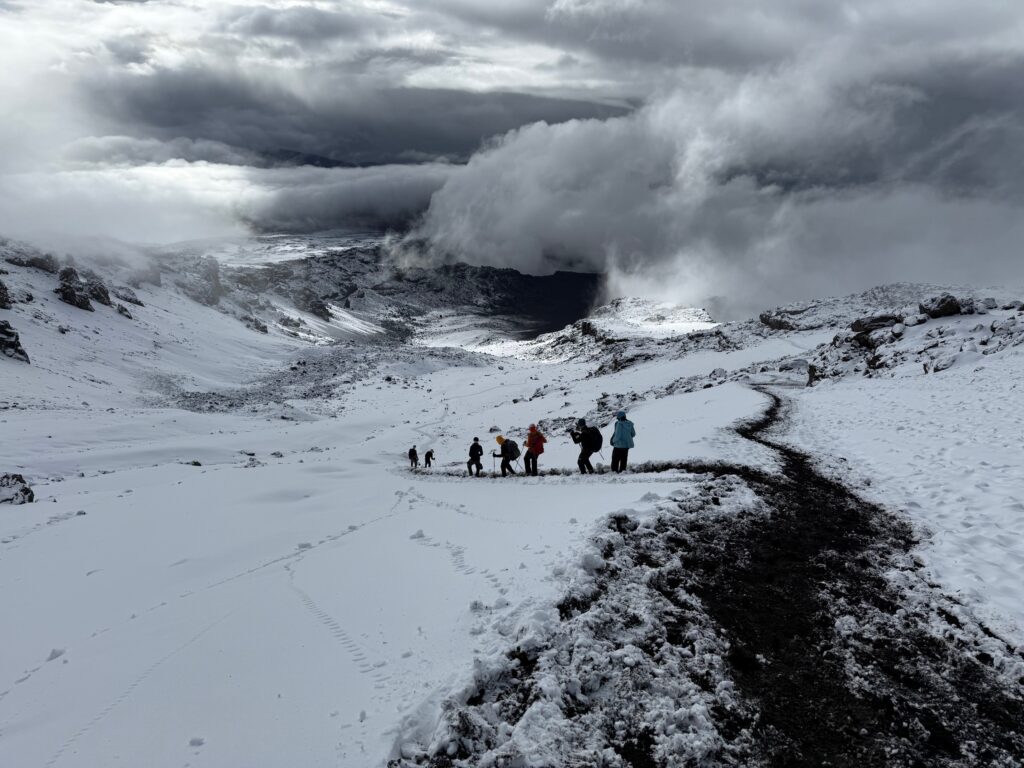
- Higher slopes are colder, so rain often turns into snow or light ice instead of water
This means you may walk in rain at lower altitudes and see snow higher up, sometimes on the same day. Proper waterproof and warm clothing is essential.
Can You Climb Kilimanjaro During the Rainy Season?
Yes, you can climb Mount Kilimanjaro during the rainy season. The mountain remains open all year, and park authorities allow climbing in every month. Experienced guides continue to operate during the rainy season and know how to manage the changing weather safely.
However, climbers need to be well prepared and understand what to expect. Rain can make trails wet and slippery, and clothing and equipment must be suitable for these conditions. Climbers should also accept that views may be limited because of clouds and mist, especially at lower altitudes. Despite these challenges, many people still reach the summit successfully during the rainy months by following their guides’ advice and taking the climb slowly.
Advantages of Climbing Kilimanjaro in the Rainy Season
Climbing Mount Kilimanjaro during the rainy season has several advantages, especially for travelers who prefer quieter trails and a more adventurous experience. While the weather is wetter, many climbers enjoy the unique benefits this season offers.
1. Fewer Crowds on the Mountain
The rainy season is the quietest time on Kilimanjaro. Because fewer people choose to climb during these months, the trails are less busy and campsites are not crowded. This creates a calm and peaceful atmosphere, allowing climbers to enjoy nature without noise or pressure from large groups. It is ideal for those who value solitude and a slower, more relaxed pace.
2. Lush Green Scenery
Rain brings life to the mountain and makes it very beautiful. The forest zones become green, fresh, and full of energy. Flowers, plants, and trees are at their healthiest, and wildlife is easier to notice. Waterfalls along the routes are full and flowing strongly, creating impressive natural views that are not seen during the dry season.
3. Better Availability
Because fewer people climb during the rainy season, availability is much better. Routes are less busy, and it is easier to secure space with reputable tour operators. Guides and porters are also more available, which often means more attention, better service, and flexible planning for your climb.
4. A More Adventurous Experience
Rain adds an extra challenge to the climb, making it feel more like a true expedition. Walking through misty forests, wet trails, and changing weather gives a strong sense of adventure. This experience is especially rewarding for experienced hikers or travelers who enjoy challenges and want a more unique Kilimanjaro journey.
Challenges of Climbing in the Rainy Season
Climbing Mount Kilimanjaro during the rainy season also comes with some challenges. Understanding these difficulties helps climbers prepare properly and decide if this season is right for them.
1. Wet and Muddy Trails
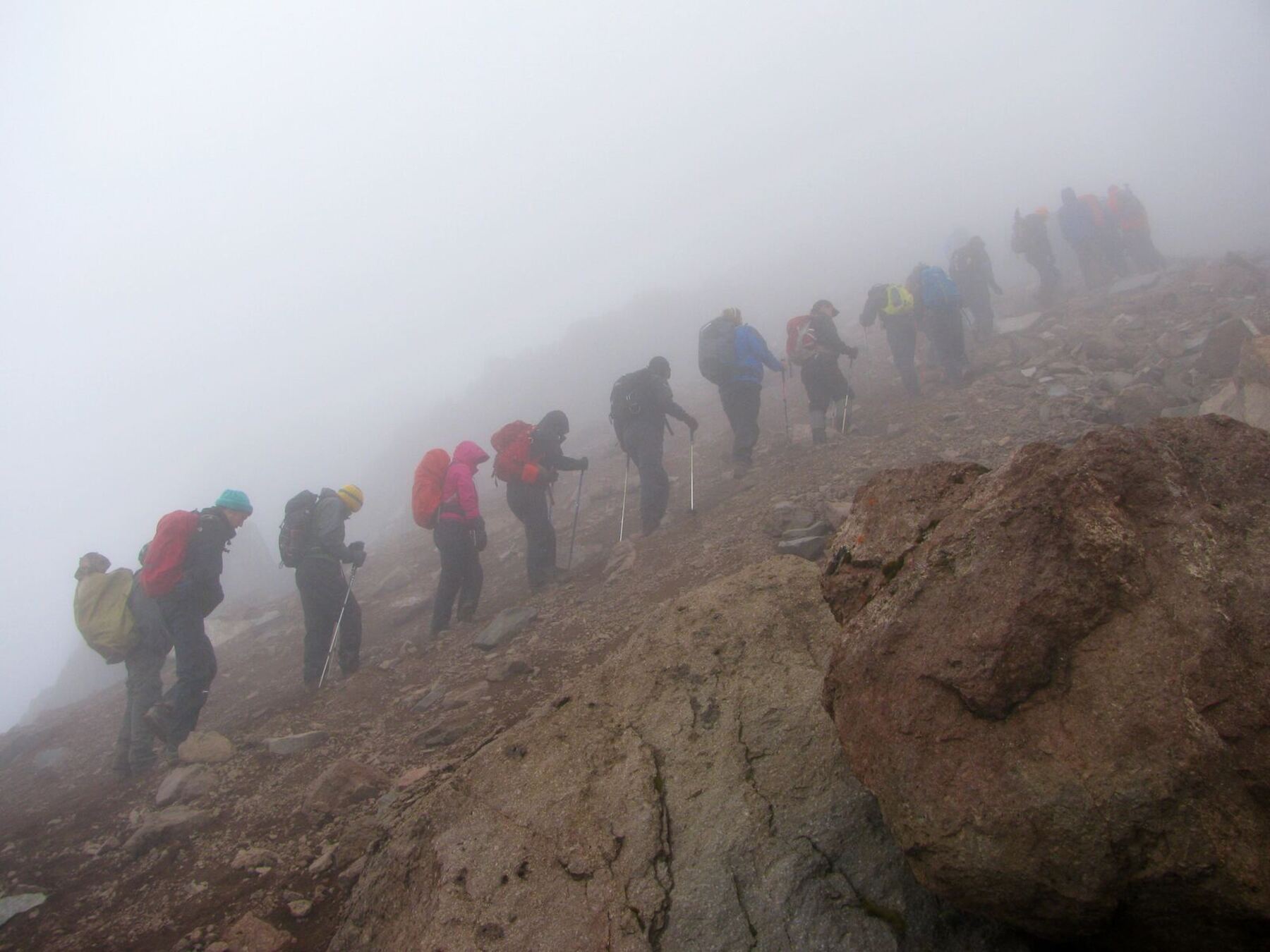
Rain can make many trails wet, muddy, and slippery. This is especially common in the forest areas on the lower slopes, where rain falls more often. Muddy paths can slow your walking pace and require extra care to avoid slipping. Strong hiking boots and walking poles are very helpful in these conditions.
2. Limited Views
Clouds and fog are more common during the rainy season. They can block scenic views, reduce chances for clear photography, and hide the surrounding landscapes. Some days may feel very misty, especially in the afternoons. While clear views are still possible, they cannot be guaranteed, and climbers should be flexible with their expectations.
3. Cold and Damp Conditions
Rain increases cold, especially at night and at higher camps. Wet clothes can make your body feel much colder, and campsites may feel damp and uncomfortable. Keeping dry becomes more difficult, which is why proper gear such as waterproof jackets, warm layers, and dry bags is very important. Good preparation helps manage these conditions and keeps the climb safe and comfortable.
Best Routes to Climb During the Rainy Season
Choosing the right route is very important when climbing Mount Kilimanjaro during the rainy season. Some routes handle rain better than others and offer safer and more comfortable conditions.
1. Machame Route
The Machame Route is one of the best choices during the rainy months. It has better natural drainage than many other routes, which means trails dry faster and are less muddy in some areas. The route passes through beautiful forest zones and offers scenic views when weather allows. Because it is well designed for acclimatization, it also has a high summit success rate, even during wet seasons.
2. Lemosho Route
The Lemosho Route is also a very good option in the rainy season. It is a longer route, which allows more time for your body to adjust to the altitude. This greatly improves safety and comfort. Even in the dry season, Lemosho is less crowded, so during the rainy months it feels even more peaceful. The trails are wide, and the route offers varied landscapes, from rainforest to open alpine areas.
Routes to Avoid
Some routes are less ideal during heavy rain. The Marangu Route uses shared huts instead of tents, which can become crowded and damp during rainy months, and some sections can be slippery. The Umbwe Route is very steep and physically demanding, and wet conditions make it more challenging and less safe for most climbers. Avoiding these routes during the rainy season helps reduce risk and discomfort.
What to Expect on the Mountain
When climbing Mount Kilimanjaro, especially during the rainy season, it helps to understand what daily conditions are usually like. Weather can change quickly, but there are common patterns most climbers experience.
1. Daily Weather Pattern
Most days on the mountain start calmly. Mornings are often clear, with fresh air and good visibility, making this the best time for hiking. As the day goes on, clouds usually build up, and rain often arrives in the afternoon or evening. This is more common on the lower and middle slopes. Nights can be cold and damp, especially if rain continues, so staying dry and warm in camp is very important.
2. Summit Day Conditions
Summit day is the coldest and hardest part of the climb. Temperatures are very low, often below freezing, and strong winds are common. Near the summit, rain usually turns into snow or light ice, making the ground colder and sometimes slippery. Because of these conditions, good warm clothing, proper footwear, and a slow, steady walking pace are essential for safety and success.
Essential Packing Tips for the Rainy Season
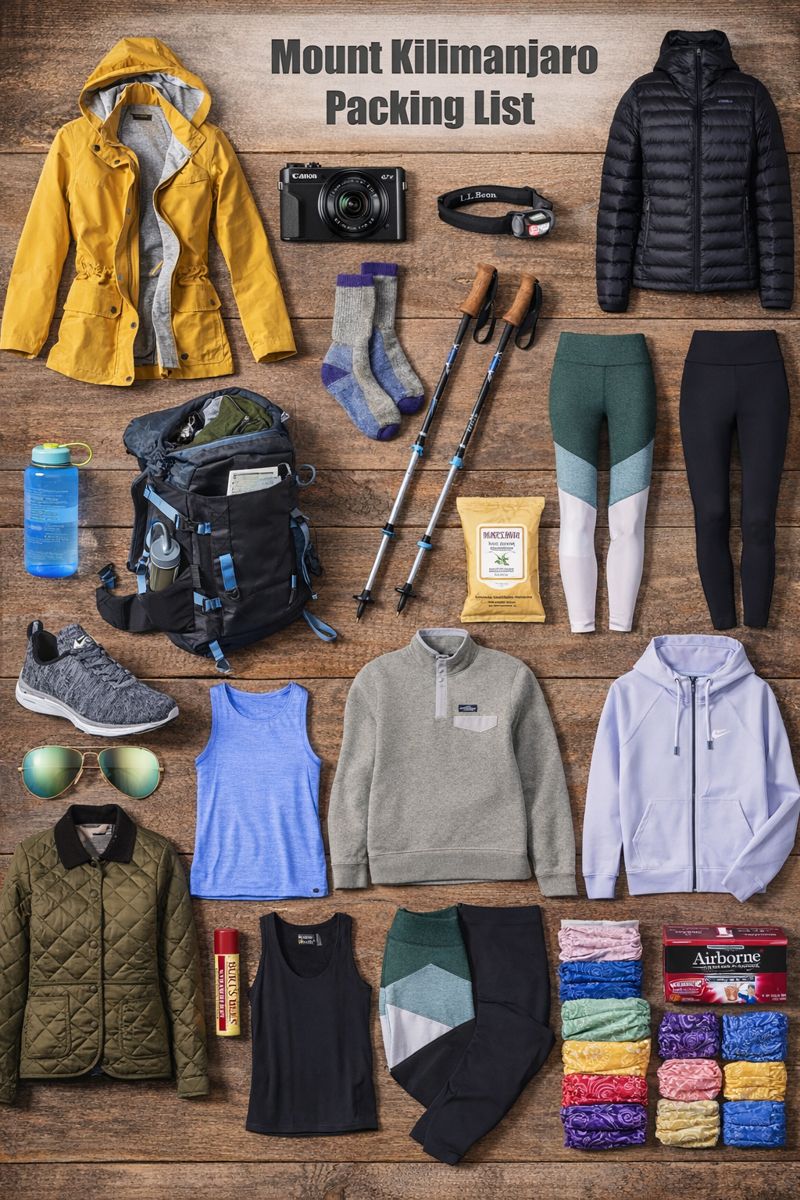
Waterproof Gear Is a Must
- Waterproof jacket and pants
- Rain cover for your backpack
- Waterproof hiking boots
Extra Clothing
- Extra socks
- Quick-dry clothing
- Warm layers
Trekking Poles
Very helpful for:
- Balance on muddy trails
- Reducing pressure on knees
- Safer walking downhill
Safety and Health During Rainy Season Climbs
Climbing Mount Kilimanjaro during wet conditions requires extra care. Rain affects the ground, body comfort, and overall safety, so understanding these risks helps you stay safe on the mountain.
1. Risk of Slips and Falls
Wet ground increases the risk of slipping, especially on muddy forest trails and rocky sections. Walking slowly helps you keep balance and avoid sudden movements. Using trekking poles gives extra support and stability on slippery paths. It is also very important to follow your guide’s instructions, as they know which areas require more caution and when to slow down.
2. Staying Dry and Warm
Cold and wet conditions can affect your health if not managed properly. Wet clothes can lower body temperature quickly, especially in the evenings and at higher camps. Changing out of wet clothing as soon as you reach camp helps keep your body warm. Keeping your sleeping bag dry is very important for a good night’s rest. Drinking warm fluids like tea or soup also helps maintain body heat and comfort.
3. Altitude Still Matters
Rain does not reduce the effects of altitude. Even during the rainy season, altitude sickness remains the main risk on Kilimanjaro. Walking slowly, drinking enough water, and resting properly are essential. Always listen to your guide and report any symptoms early. Taking altitude seriously is key to a safe and successful climb.
Is Climbing Kilimanjaro in the Rainy Season Worth It?
Climbing Mount Kilimanjaro during the rainy season is not for everyone, but for the right person, it can be a very rewarding experience. The mountain is quieter, greener, and feels more natural during this time. With the right mindset and preparation, many climbers enjoy the challenge and successfully reach the summit.
It is a good choice if you want fewer crowds on the mountain and prefer a peaceful experience. It also suits people who enjoy adventure and do not mind changing weather conditions. If you are flexible about views and understand that some days may be cloudy or wet, the rainy season can still be very enjoyable. Being well prepared with proper clothing, good fitness, and a reliable guide is especially important.
However, it may not be ideal if you want perfect weather every day or prefer dry and easy trails. Climbers who expect clear views at all times or dislike walking in wet conditions may find the rainy season uncomfortable. Choosing the right season depends on your expectations, comfort level, and sense of adventure.
⇒Climbing Mount Kilimanjaro during the rainy season is possible, safe, and unique when done with the right preparation and a professional team. While rain adds challenges, it also brings beauty, quiet trails, and a true sense of adventure.
With proper gear, the right route, and a positive mindset, reaching the summit during the rainy season can be an unforgettable experience.