Cemetery of Polish War Refugees Tour
Visit Cemetery of Polish Refugees in Tanzania (Tengeru Historical Tour)
The Cemetery of Polish War Refugees Tour is one of the most meaningful historical tours in Tanzania. It takes you to a peaceful cemetery where hundreds of Polish refugees who escaped World War II are buried. During this tour, you will learn an inspiring story of survival, hope, friendship, and the important role Tanzania played in helping thousands of people during one of history's darkest periods.
Many travelers visit Tanzania for wildlife safaris and Mount Kilimanjaro, but few know about this remarkable chapter of history. If you enjoy history, culture, and meaningful travel experiences, this tour offers something unique and unforgettable.88
What Is the Cemetery of Polish War Refugees?
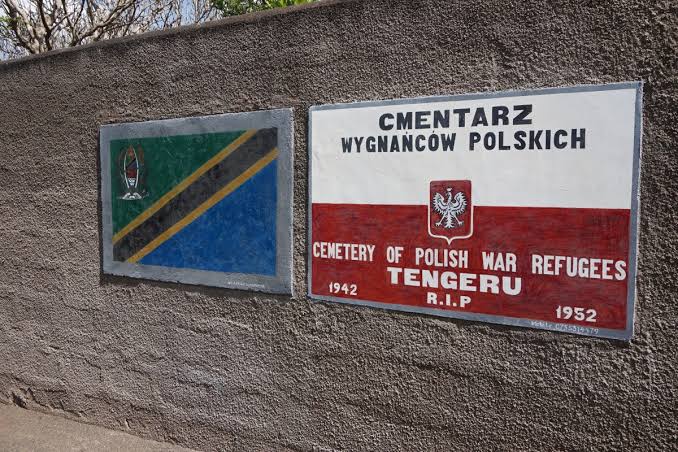
The Cemetery of Polish War Refugees is located in Tengeru, about 20 kilometers from Arusha. It is the final resting place of many Polish refugees who arrived in Tanzania during World War II.
Between 1942 and 1952, thousands of Polish men, women, and children found safety in Tanzania after experiencing war, imprisonment, and forced displacement across Europe and Asia. Many had survived extremely difficult journeys before reaching East Africa.
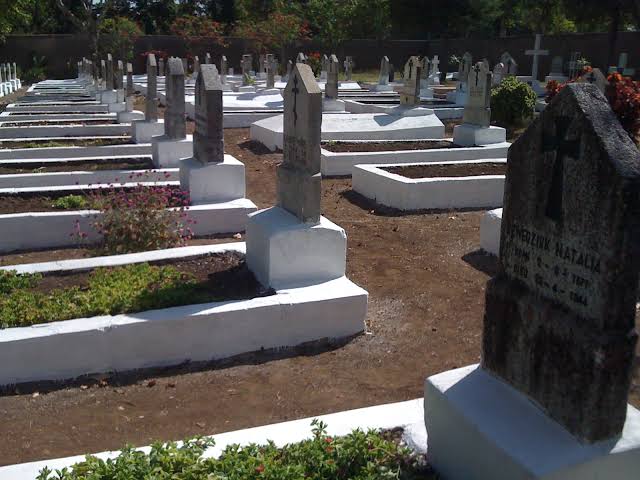
Today, the cemetery remains carefully maintained as a place of remembrance. Every grave tells the story of someone who survived incredible hardship but never returned home.
Visiting this peaceful site allows you to understand an important part of both Polish and Tanzanian history that is not widely known.
The Story Behind the Cemetery
The story behind the Cemetery of Polish War Refugees begins during World War II, when Poland was invaded in 1939. Thousands of Polish families were arrested and deported to labor camps deep inside the Soviet Union, where they faced extremely difficult living conditions. After political agreements allowed many prisoners to leave, thousands of refugees began a long journey through Central Asia and Persia (modern-day Iran) in search of safety. From there, many were transported to British colonies in Africa, including Tanzania, which was then known as Tanganyika.
Several Polish refugee settlements were established across Tanganyika, with one of the largest located in Tengeru near Arusha. Here, the refugees worked hard to rebuild their lives by creating schools, churches, hospitals, farms, workshops, and homes. They formed a close-knit community while hoping one day to return to Poland after the war. Sadly, not everyone survived the hardships they had endured. Those who passed away during their years in Tanzania were laid to rest in the peaceful cemetery that visitors can explore today. The cemetery stands as a lasting tribute to their courage, resilience, and the kindness shown by the people of Tanzania during a difficult time in history.
Why Visit the Cemetery?
Many visitors describe the Cemetery of Polish War Refugees as one of the most emotional and meaningful places they visit in Tanzania. Beyond its peaceful surroundings, the cemetery tells a powerful story of survival, resilience, and compassion during one of the most difficult periods in world history. Every visit offers an opportunity to learn, reflect, and appreciate the lasting friendship between Tanzania and Poland.
• Learn an Inspiring World War II Story
The cemetery tells the remarkable story of thousands of Polish refugees who escaped war, imprisonment, and hardship during World War II. As you walk through the site, your guide will explain how these families made an incredible journey across continents before finding safety in Tanganyika. Their story is one of courage, hope, and determination in the face of great challenges.
• Understand Tanzania's Humanitarian History
Many people are surprised to learn that Tanzania played an important humanitarian role during World War II by providing a safe home for thousands of refugees. Visiting the cemetery helps you understand this lesser-known chapter of the country's history and highlights the generosity and kindness shown to people fleeing conflict.
• Visit a Peaceful Historical Site
The cemetery is a quiet and beautifully maintained place where visitors can escape the busy tourist attractions and enjoy a moment of reflection. The calm atmosphere, well-kept gardens, and orderly rows of graves create a respectful environment that encourages visitors to appreciate the history and lives remembered here.
• See Beautifully Maintained Graves and Memorials
As you explore the cemetery, you will see carefully preserved graves, memorial crosses, and monuments dedicated to the Polish refugees who lived and died in Tanzania. Each grave represents a personal story, making the visit both educational and deeply moving.
• Discover the Friendship Between Poland and Tanzania
The cemetery stands as a symbol of the lasting friendship between Poland and Tanzania. It reminds visitors how people from different cultures came together during a difficult time, creating bonds that continue to be remembered and celebrated today through memorial events and historical preservation.
• Experience a Less Crowded Cultural Attraction
Unlike many popular tourist destinations, the Cemetery of Polish War Refugees offers a peaceful and uncrowded experience. You can take your time exploring the site, listening to your guide, asking questions, and reflecting without the distractions often found at busier attractions.
• Reflect on Stories of Courage and Hope
Every visit to the cemetery is an opportunity to reflect on the strength and resilience of the people buried there. Their journey from war and hardship to finding refuge in Tanzania is a powerful reminder of hope, compassion, and the importance of helping those in need. Many visitors leave with a deeper appreciation for history and the enduring human spirit.
This tour is educational, inspiring, and suitable for visitors of all ages, making it one of the most meaningful cultural experiences you can enjoy during your visit to Tanzania
Where Is the Cemetery?
The Cemetery of Polish War Refugees is located in Tengeru, a peaceful area northeast of Arusha City in northern Tanzania. Its location makes it an easy cultural and historical excursion for travelers staying in Arusha, visiting Mount Kilimanjaro, or starting a safari in the northern safari circuit. The cemetery is surrounded by beautiful landscapes and offers a quiet place to learn about the history of Polish refugees who found safety in Tanzania during World War II.
The cemetery is located approximately 30–40 minutes from Arusha, making it a convenient half-day tour option for visitors staying in the city. From Kilimanjaro International Airport, the journey takes around 1.5 hours, while travelers coming from Moshi can reach the cemetery in about 2.5 hours by road. The roads are generally in good condition, and the comfortable drive allows you to enjoy views of local villages, farms, and the scenic surroundings of the Arusha region.
Because of its easy accessibility, the Cemetery of Polish War Refugees is an excellent addition to your Tanzania itinerary, especially if you are interested in history, culture, and experiences beyond traditional wildlife safaris.
What You Will See During the Cemetery of Polish War Refugees Tour
The Historic Cemetery
The highlight of the tour is the historic cemetery, which is beautifully maintained with peaceful surroundings, neat rows of white crosses, and carefully preserved memorial stones. As you walk through the cemetery, you will see graves belonging to different members of the Polish refugee community who lived in Tanzania during and after World War II. These include children who sadly lost their lives at a young age, family members who shared their journey together, military personnel, teachers, doctors, and community leaders who played important roles within the refugee settlements. Your guide will share the stories behind these graves, explaining who these people were, where they came from, and how they found their way to Tanzania.
Memorial Monuments
During the visit, you will also see several memorial monuments created to honor the Polish refugees and protect their history for future generations. These monuments provide important information about the difficult journey the refugees experienced, from leaving Poland during the war to finding safety in Africa. They also explain what daily life was like inside the refugee settlements, including how families rebuilt their lives, created communities, and received support from local people. The memorials also highlight the international cooperation and humanitarian efforts that helped thousands of refugees survive during one of the most challenging times in history.
Former Refugee Settlement Area
Although many parts of the original refugee settlement have changed over the years, the surrounding area still allows visitors to imagine what life was like for Polish refugees living in Tengeru. Your guide will help you understand how the community was organized and may point out areas where refugees once built important facilities such as schools, churches, community centers, farms, workshops, and medical facilities. These places show how the refugees worked together to create a normal life while waiting for the opportunity to return home after the war.
Local Community
The tour may also include an opportunity to interact with members of the local community who still remember stories about the Polish refugees. Many families in Tengeru have passed down memories from one generation to another, sharing how the refugees became part of everyday life in the area. Through these local stories, you will gain a deeper understanding of the friendship, cooperation, and cultural connections that developed between the Polish refugees and the people of Tanzania.
Sample Half-Day Cemetery of Polish War Refugees Tour Itinerary
8:30 AM – Morning Departure
Your Cemetery of Polish War Refugees tour begins with a comfortable pickup from your hotel in Arusha at around 8:30 AM. You will meet your professional guide and start the short drive to Tengeru, which takes approximately 30–40 minutes. During the journey, your guide will introduce you to the history of World War II and explain why thousands of Polish refugees traveled to Tanzania in search of safety. You will also learn about the refugee settlements established around Arusha and the important role Tanzania played in supporting displaced families during that difficult period.
9:15 AM – Guided Cemetery Visit
Upon arrival at the cemetery, you will begin a guided walking tour through this peaceful historical site. Your guide will share the personal stories of the people buried there, explain important historical events connected to their journey, and introduce you to the memorial monuments that preserve their memory. You will learn about the lives of Polish refugees, their experiences in Tanzania, and why this cemetery remains an important place of remembrance today.
You will spend around 1 to 1.5 hours exploring the cemetery, with enough time to take photographs, ask questions, and enjoy quiet moments of reflection while appreciating the peaceful surroundings.
10:45 AM – Visit Historical Landmarks
After exploring the cemetery, you will continue to nearby locations connected to the former Polish refugee settlement in Tengeru. During this part of the tour, your guide will help you imagine what daily life was like for Polish families during the 1940s. You will learn how they built schools, churches, farms, workshops, and community facilities while creating a new life away from their homeland.
This visit usually takes around 45 minutes to 1 hour, depending on your interests and the sites included.
12:00 PM – Return to Arusha
After completing your historical exploration, you will begin the comfortable drive back to Arusha. The return journey takes approximately 30–40 minutes, and you will arrive at your hotel around 12:30 PM–1:00 PM.
By the end of the tour, you will have gained a deeper understanding of Tanzania’s humanitarian history and the inspiring story of the Polish refugees who found hope and safety in East Africa.
How Long Does the Tour Take?
The Cemetery of Polish War Refugees Tour usually takes around 3 to 5 hours, depending on your schedule, the time spent exploring the cemetery, and any additional historical sites included in the experience. A typical half-day tour allows enough time to travel from Arusha, visit the cemetery, listen to your guide’s explanations, take photographs, and reflect on the stories of the Polish refugees who found safety in Tanzania.
For travelers who want to explore more of the area, this experience can also be combined with other nearby attractions to create a full-day cultural tour. You can add activities such as Arusha city sightseeing, coffee plantation visits, local cultural experiences, or other historical landmarks, making your day more complete and memorable.
Best Time to Visit Cemetery of Polish Refugees in Tanzania
Visit Throughout the Year
The Cemetery of Polish War Refugees can be visited throughout the year, making it a convenient cultural experience to include in your Tanzania itinerary at any time. The cemetery remains accessible in all seasons, and each period offers a different experience. Whether you visit during the busy safari season or a quieter travel period, you can enjoy learning about this important part of Tanzania’s history.
Is the Tour Suitable for Children?
Yes, the Cemetery of Polish War Refugees Tour is suitable for children, especially older children who have an interest in history, culture, and learning about different parts of the world. The visit provides an educational and memorable experience where children can understand the impact of war, the importance of kindness, and how people helped each other during difficult times. Parents can use this experience as an opportunity to teach children about compassion, resilience, and the importance of supporting people in need.
Is the Tour Physically Difficult?
No, the tour is not physically difficult. The cemetery is easy to explore, with gentle walking paths and a peaceful environment suitable for visitors of different ages and fitness levels. It is a comfortable experience for families, couples, solo travelers, seniors, school groups, and history enthusiasts. Only light walking is required, making it an enjoyable and accessible cultural activity for most visitors.
Can You Combine This Tour with Other Attractions?
Yes, many visitors choose to combine the Cemetery of Polish War Refugees Tour with other nearby attractions to create a complete day of exploration. Depending on your interests and schedule, you can add activities such as Arusha city sightseeing, coffee plantation tours, cultural village visits, local market experiences, Arusha National Park trips, or waterfall excursions. Combining these experiences allows you to enjoy a richer journey that includes Tanzania’s history, culture, nature, and local traditions in one memorable day.
Photography Tips
Photography is generally allowed, but remember that this is a memorial site.
Please:
- Be respectful.
- Avoid climbing on graves or monuments.
- Keep noise to a minimum.
- Ask permission before photographing local people.
Why This Tour Is Special?
Unlike many historical attractions, the Cemetery of Polish War Refugees tells a unique story that connects Europe and Africa through compassion, kindness, and shared humanity. The site is not only a place of remembrance but also a reminder of how Tanzania provided safety and support to thousands of Polish families who were forced to leave their homes because of war. As you walk through the cemetery and listen to the stories of the refugees, you gain a deeper understanding of courage, survival, and the importance of helping others during difficult times. Many visitors leave this experience with a greater appreciation for resilience, humanity, and the strong friendship that developed between Poland and Tanzania.
Who Should Take This Tour?
The Cemetery of Polish War Refugees Tour is ideal for anyone interested in history, culture, and meaningful travel experiences. History lovers will appreciate learning about the events of World War II and the journey of Polish refugees, while Polish visitors can explore an important part of their heritage and connection to Tanzania. The tour is also perfect for cultural travelers, students, researchers, families, and school groups looking for an educational experience outside traditional tourist activities. Visitors who want to discover more than wildlife safaris will find this tour a valuable opportunity to explore Tanzania’s hidden historical stories and cultural heritage.
Estimated Tour Cost (2026–2027)
The Cemetery of Polish War Refugees Tour costs approximately US$80–US$150 per person for a private half-day experience. For a full-day historical and cultural tour combined with additional attractions, the cost is around US$150–US$250 per person, depending on the activities included, transportation, and group size. Most tours include hotel pickup and drop-off from Arusha, comfortable transportation, an English-speaking guide, entrance fees where applicable, and bottled drinking water. Combining the cemetery visit with attractions such as Arusha city sightseeing, coffee plantation tours, cultural experiences, or nature excursions provides a more complete day of exploring Tanzania’s history and culture.
Travel Tips
To make the most of your visit:
- Take time to read the inscriptions on the graves.
- Ask your guide about individual refugee stories.
- Visit during the morning for cooler temperatures.
- Wear comfortable clothing suitable for walking.
- Keep the atmosphere respectful throughout your visit.
- Consider combining the tour with other cultural attractions around Arusha.
Book Your Cemetery of Polish War Refugees Tour Today
Discover a remarkable chapter of World War II history that many travelers never hear about. A visit to the Cemetery of Polish War Refugees is more than a sightseeing trip, it is an opportunity to honor lives, learn about resilience, and understand the lasting friendship between Tanzania and Poland.
With Rede Tours and Safaris, you will enjoy professional guiding, comfortable transport, and a thoughtful experience that brings this important history to life. Whether you are a history enthusiast, a student, or simply curious about Tanzania's cultural heritage, this tour offers an unforgettable journey of remembrance and learning.
For Booking and Inquaries
📧 Email: redetours2005redetours2005@gmail.com
📱 WhatsApp: +255 676 063 791
🌐 Website: Rede Tours and Safaris