Can You Tip in USD in Tanzania?
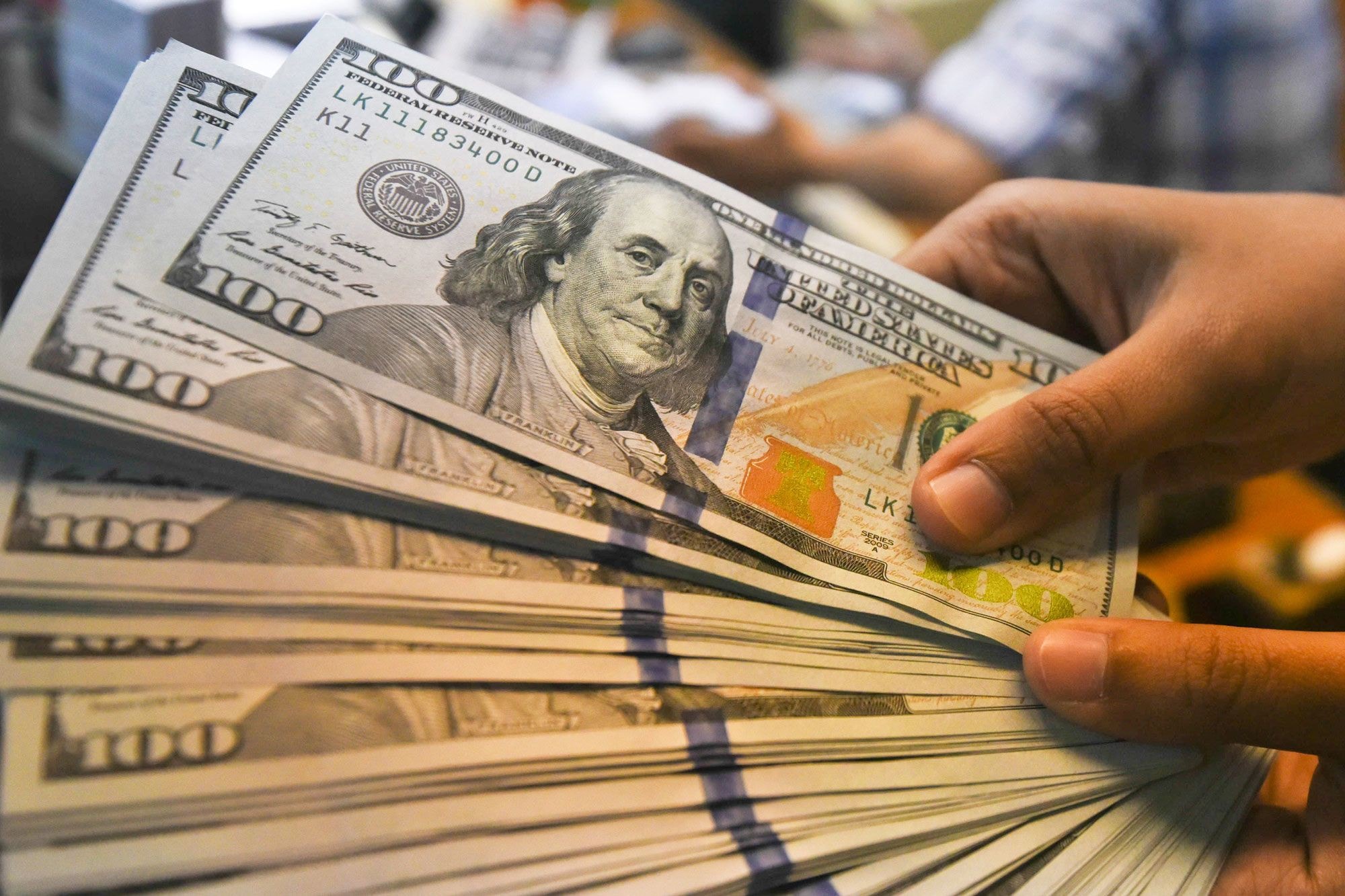
Yes, you can tip in US dollars (USD) in Tanzania, and in many situations, it is actually the most convenient and preferred currency for tipping. This is especially true in tourist areas such as safari destinations, lodges, and national parks, where staff regularly work with international visitors.
Many travelers worry about whether tipping in USD is allowed, polite, or useful. In Tanzania, tipping in USD is completely acceptable and very common. Safari guides, drivers, and lodge staff are familiar with USD and understand its value, which makes tipping simple for visitors.
This guide explains when and where USD tips are accepted, who prefers USD, important rules to follow, and how to tip correctly without stress during your trip. With the right information, you can tip confidently and focus on enjoying your Tanzania experience.
Why USD Is Widely Accepted in Tanzania?
Tanzania welcomes travelers from many countries, especially people coming for safaris. Tourism is one of the country’s most important industries, and because of this, the US dollar (USD) is widely used in tourist areas. Hotels, safari camps, and tour companies work with international visitors every day, so they are very familiar with USD.
USD is accepted because it keeps its value better than many local currencies and does not lose value quickly. It is also easy to exchange at banks and official exchange offices across Tanzania. Many safari companies even list their tour prices in USD, which makes it a normal and trusted currency for both visitors and staff.
Tourism workers, such as safari guides and lodge staff, are used to handling USD notes and know their value. For travelers, this makes things much easier. You do not need to change extra money just for tipping, and you can use USD confidently. This is especially helpful in national parks and remote safari camps where banks and ATMs are not available.
Where You Can Tip in USD in Tanzania?
USD tips are accepted in most places that serve international visitors. In tourist areas, tipping in USD is normal and widely understood. Below are the main places where using USD for tips is common and accepted.
• Safaris and National Parks
USD is fully accepted and very common for tipping safari staff in Tanzania’s national parks. Safari guides, drivers, trackers, and private tour guides regularly receive tips in USD and are comfortable using it.
In remote safari destinations, USD is often preferred because it is easier to save and exchange later. Many guides spend long periods inside national parks, far from towns, banks, or exchange offices. Because of this, USD is practical and convenient for them.
• Lodges, Camps, and Hotels
You can tip in USD at safari lodges, tented camps, luxury safari camps, and beach hotels or resorts, including those in Zanzibar. These places work mainly with international guests, so USD tipping is very common.
Most safari lodges and camps provide a communal tip box that shares tips among all staff members. USD is the most commonly used currency in these tip boxes, especially in mid-range and luxury properties, because it is easy to manage and exchange.
• Porters and Support Staff
USD is also accepted for porters who carry luggage, camp assistants, and staff involved in special activities such as hot-air balloon safaris or walking safaris. These workers often rely on small tips as part of their income.
Small USD notes are especially helpful for porters and support staff. Even a small amount is meaningful and always appreciated.
Who Prefers USD for Tips?
Many people working in tourism prefer USD, especially in safari regions and remote areas. This is mainly because USD holds its value better than local currency and does not lose value quickly over time.
USD can be saved for future needs and is accepted across Tanzania. It is also useful for important expenses such as school fees, rent, medical costs, or larger purchases. Because of this, USD is often more practical for long-term planning.
This preference is common among safari guides, drivers and trackers, long-term lodge staff, and private guides who work with international guests. However, it is important to remember that tips are appreciated in any currency when they are given with respect and gratitude.
Is Tanzanian Shilling Also Accepted?
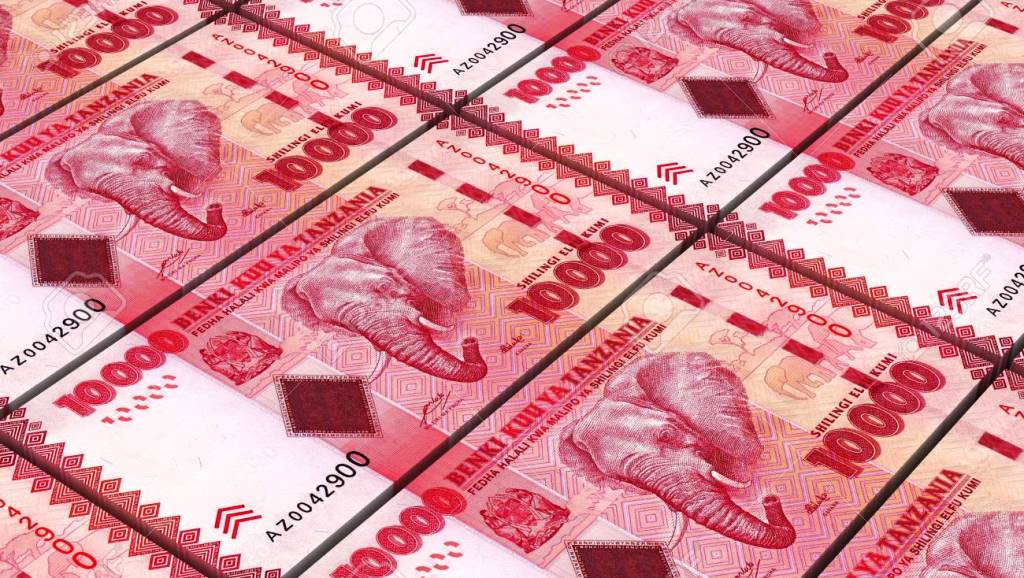
Yes. Tanzanian Shillings (TZS) are accepted for tipping, and they are the official local currency of Tanzania. You can use shillings without any problem, and staff will appreciate the gesture.
However, in tourist areas, USD is often more convenient. Many safari lodges, camps, and guides work mainly with international guests, so they are very familiar with USD and may find it easier to save or exchange later.
Shillings are usually better for local shops, markets, and small towns, where people deal mostly with local currency. In safari areas, guides and staff often prefer USD if they are given a choice, simply because it holds value better and is easier for long-term use.
If you already have Tanzanian shillings, you can tip with them confidently. But for safaris and remote camps, USD remains the easiest and most practical option.
Important Rules When Using USD in Tanzania
There are a few important rules to follow when tipping in USD in Tanzania. Following these simple guidelines helps avoid problems and makes it easier for staff to use the money you give them.
• Use Newer USD Bills
Only use USD notes printed from 2009 or later. Older bills can cause difficulties for the people who receive them. Some banks may refuse old notes, others may find them hard to exchange, or they may be accepted at a lower value than expected.
To avoid these issues, always bring clean, undamaged, and newer USD bills. This ensures that safari guides and lodge staff can use or exchange the money without any trouble.
• Bring Small Denominations
Small USD bills are very important for tipping in Tanzania. The most useful denominations are $1, $5, $10, and $20. These amounts are practical and easy for staff to use.
Avoid giving large notes such as $50 or $100 as tips. These are difficult to break, especially in remote safari areas where there are no banks or shops to give change. Small bills make tipping easier and more respectful for everyone.
Can You Tip Using Credit Cards or Mobile Money?
In most situations, no, you cannot tip using credit cards or mobile money in Tanzania. While credit cards are accepted for paying safari packages, hotel bills, or large expenses, they are rarely used for tipping.
Most safari guides, drivers, and lodge staff do not have card machines for personal tips. Even when a lodge accepts cards, tips added to a card payment may not reach the individual staff members directly or may be delayed.
Mobile money services such as M-Pesa, Tigo Pesa, or Airtel Money are widely used in Tanzania, but they are mainly used by locals for daily transactions. Many safari staff, especially those working in remote national parks, may not have easy access to mobile money services or reliable phone networks.
Safari camps and lodges are often located in remote areas where internet connections are weak or unavailable, and card machines may not work consistently. Because of this, cash remains the most reliable option.
For these reasons, cash is the best and safest way to tip in Tanzania. Carrying small amounts of cash ensures your tip reaches the right person quickly and without any problems.
How to Tip Politely in USD?
Good tipping etiquette is just as important as the amount you give. The way you tip shows respect and appreciation for the service you received.
It is best to tip privately and respectfully, rather than in front of many people. This helps avoid embarrassment or uncomfortable situations for staff and keeps the moment personal.
Whenever possible, hand the tip directly to the person you want to thank, such as your safari guide or driver. For lodge and camp staff, using the communal tip box is the correct and accepted way to share tips fairly among the team. Try to avoid showing large amounts of money in public places.
A simple and polite thank-you makes your tip more meaningful. Saying “Asante sana,” which means “thank you very much” in Swahili, is always appreciated. A smile and kind words often mean just as much as the tip itself.
Is It Rude to Tip in USD?
No, it is not rude at all to tip in USD in Tanzania. In fact, in tourist areas, tipping in USD is very common and fully accepted.
In places that serve international visitors, such as safari camps, lodges, and national parks, tipping in USD is normal, expected, and appreciated. Safari guides and lodge staff are used to receiving tips in USD and understand its value, so there is nothing uncomfortable or inappropriate about using it.
What matters most when tipping is not the currency, but your attitude and intention. Showing respect, tipping fairly based on the quality of service, and offering genuine appreciation are far more important than whether you use USD or local currency.
The intention behind the tip is what truly counts. A thoughtful tip given with kindness and respect will always be welcomed, regardless of the currency used.
How Much USD Should You Bring for Tipping?
Planning your tipping budget in advance helps you avoid stress and enjoy your trip with confidence. Having the right amount set aside means you won’t need to worry about finding cash while traveling through remote safari areas.
As a general guideline, the amount you bring should depend on the length of your safari, the level of service, and whether your trip is group-based or private. Shorter safaris require less overall tipping, while longer trips naturally involve more days of service. Luxury or private safaris usually involve more personalized attention, so travelers often choose to tip more in these cases.
It is a good idea to set aside a separate amount of USD just for tipping before your trip begins. Keeping tipping money separate from your daily spending cash makes it easier to manage and ensures you always have small bills ready when needed.
•If you are traveling to Tanzania, especially for a safari, bringing USD for tipping is highly recommended. It is convenient, widely accepted, and appreciated by tourism workers. With a little planning, small bills, clean notes, and fair amounts you can tip confidently and enjoy your Tanzanian adventure without worry.