Can You Climb Kilimanjaro Without a Guide?
Mount Kilimanjaro, Africa's highest peak at 5,895 meters (19,341 feet), is a dream destination for trekkers around the world. For many, summiting this iconic mountain is a bucket-list experience. However, one question that frequently arises is whether it’s possible to climb Kilimanjaro without a guide. While the idea of trekking on your own may seem appealing, the reality is that climbing Mount Kilimanjaro without professional guidance is not just difficult it’s against the law.
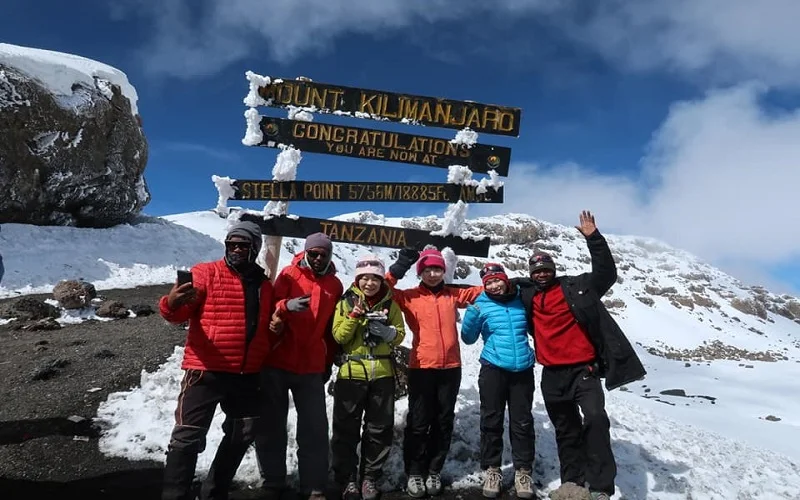
Here at our company, we specialize in providing safe, unforgettable, and expertly guided treks to the summit of Mount Kilimanjaro. In this article, we’ll explain why booking your Kilimanjaro climb with us is the best decision you can make, both for your safety and your enjoyment of this incredible adventure.
1. The Legalities of Climbing Kilimanjaro
The first thing you need to know is that, as of recent regulations, it is illegal to climb Mount Kilimanjaro without a licensed guide or at least a guide-assisted group.
The Tanzanian National Park Authority (TANAPA) and the Kilimanjaro National Park have strict regulations to ensure the safety of climbers, preserve the environment, and maintain the quality of the trekking experience. While you can attempt the climb on your own, Tanzanian law requires you to have a certified guide, and it is compulsory to hire porters and assistant guides as well if you're trekking independently.
These rules are in place for several reasons:
· Safety: The mountain is challenging, with altitude sickness and unpredictable weather making it risky, especially for inexperienced trekkers.
· Environmental Protection: Guides are trained to minimize the environmental impact of the climb, ensuring the trail is preserved.
· Local Economy: The Kilimanjaro climb is a major source of income for local communities, and by hiring a guide and crew, you're supporting this local economy.
At Rede Tours and Safaris, we ensure that every aspect of your climb is handled with professionalism and care. By booking with us, you’re not only complying with the law but also supporting the local communities that depend on the Kilimanjaro trekking industry.
2. Why You Should Choose Us
While many companies offer Kilimanjaro treks, booking with us guarantees a safe, well-organized, and memorable experience. Here’s what sets us apart:
Understanding the Role of a Guide
While it’s not possible to climb without a guide, it’s essential to understand what a guide's role entails. The guides on Kilimanjaro are typically experienced climbers who know the terrain, weather patterns, and how to manage the health and safety of climbers. Here's what a guide does:
- Route Management: Kilimanjaro has several routes, and each route has its own characteristics and difficulty levels. Guides are essential for selecting the appropriate route for your ability and ensuring you follow the correct path.
- Safety Support: Guides monitor your health throughout the trek, helping to spot signs of altitude sickness or other medical issues before they become severe. They are trained to deal with emergencies, including administering first aid.
- Environmental Awareness: Kilimanjaro's ecosystem is fragile, and guides are trained to follow best practices in Leave No Trace principles, ensuring that waste is disposed of properly, minimizing environmental harm, and respecting the local communities and culture.
- Navigation and Logistics: Trekking Kilimanjaro requires careful planning, including obtaining permits, arranging for porters, food, water, and camping gear. Your guide handles all these logistics so that you can focus on the climb itself.
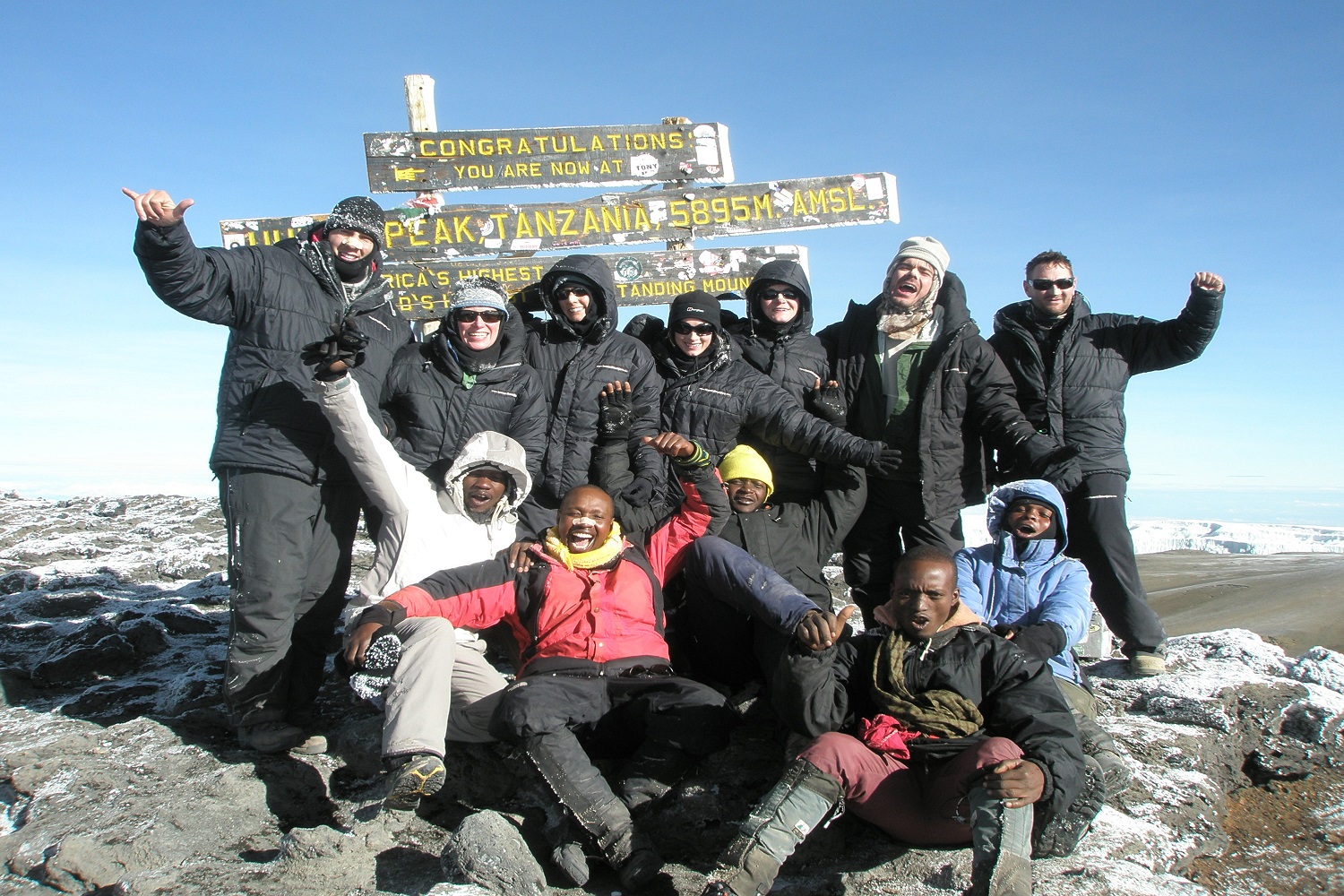
Our team of certified and experienced guides knows Kilimanjaro inside and out. From the first steps of your journey to the triumphant moment of reaching the summit, our guides are there every step of the way to ensure your safety and comfort. They are trained in altitude sickness prevention, first aid, and environmental stewardship. Their in-depth knowledge of the mountain and its routes ensures that you are always on the safest path and well taken care of.
3. The Challenges of Climbing Kilimanjaro Without a Guide
If you were allowed to climb Kilimanjaro without a guide, you’d face several significant challenges. These include:
- Altitude Sickness: One of the most dangerous aspects of climbing Kilimanjaro is the risk of altitude sickness. A trained guide can help you recognize the early symptoms and guide you to lower altitudes if necessary.
- Tough Terrain and Changing Weather: Kilimanjaro’s terrain is varied and challenging, and the weather can change rapidly. A guide is essential to navigate the mountain safely and adjust plans based on weather conditions.
- Logistical Challenges: Securing permits, organizing supplies, managing your gear, and arranging food and water can be overwhelming for an independent trekker. With Rede Tours and Safari, all logistics are taken care of, so you can focus on the climb.
- Environmental and Safety Concerns: Without the knowledge of an experienced guide, it’s easy to make mistakes that could negatively impact both your safety and the environment. Our guides are trained to follow best practices, ensuring that you leave no trace on the mountain and keep your trek as safe as possible.
4. Why Booking with Us Is the Best Option
When you book your Kilimanjaro trek with us, you’re ensuring that your climb is not only safe and legally compliant but also enjoyable and memorable. Here are some more reasons why you should choose us:
- Personalized Experience: We understand that every climber is different, and we strive to make your experience tailored to your needs. Whether you’re a seasoned hiker or a first-time adventurer, we’ll make sure you’re fully prepared.
- Experienced Team: Our guides, porters, and support staff are all highly experienced professionals, dedicated to making your Kilimanjaro trek a success.
- Group or Private Treks: Whether you prefer to join a group of fellow trekkers or book a private trek, we offer flexible options to suit your preference.
- Commitment to Sustainability: We are committed to sustainable tourism and work hard to minimize our environmental impact. By booking with us, you contribute to efforts to preserve Kilimanjaro’s delicate ecosystem.
- Support the Local Community: Our local guides and porters benefit from fair wages and ethical treatment, ensuring that your adventure positively impacts the community.
Packing List and Preparation Tips for Your Kilimanjaro Trek
Climbing Mount Kilimanjaro is an incredible adventure that requires careful preparation. The trek can be physically demanding, and the weather on the mountain can vary dramatically, so having the right gear is essential for both comfort and safety. At Rede Tours and Safaris, we ensure that our climbers are fully equipped for their Kilimanjaro adventure, and we provide all the support you need along the way. Below is a comprehensive packing list and helpful preparation tips to help you get ready for the climb.
Packing List for Kilimanjaro Trek
Clothing:
Due to Kilimanjaro's diverse climate, from tropical rainforests at the base to snow-covered peaks at the summit, layering is key. Here's what you should bring:
- Base Layer (moisture-wicking):
- Top: Lightweight, moisture-wicking long-sleeve shirt to keep you dry.
- Bottoms: Moisture-wicking long pants or leggings for comfort.
- Underwear and socks: Avoid cotton—opt for synthetic or merino wool to prevent chafing and blisters.
- Mid Layer (insulation):
- Fleece jacket or sweater for warmth.
- Pants: Soft-shell pants for protection and warmth.
- Outer Layer (weather protection):
- Waterproof jacket: Gore-Tex or similar waterproof and breathable jacket.
- Rain pants: To stay dry in case of rain or snow.
- Windproof jacket: The weather can change quickly, so it’s essential to be prepared for high winds, especially near the summit.
- Warm Layer (for summit night):
- Down jacket or insulated parka: The summit night is extremely cold, so a high-quality insulated jacket is necessary.
- Thermal base layers: Both top and bottom to provide warmth for the coldest moments on your trek.
- Headwear:
- Sun hat or cap: To protect from the sun during the day.
- Warm beanie or hat: For summit night and the cooler temperatures.
- Balaclava or neck gaiter: Optional for added warmth, especially at high altitudes.
- Gloves:
- Lightweight gloves for daytime use.
- Heavy-duty warm gloves for summit night and the coldest parts of the trek.
- Footwear:
- Trekking boots: Comfortable, waterproof, and sturdy boots with good ankle support. Break them in before the trek!
- Gaiters: Optional, but useful for keeping debris and snow out of your boots.
- Camp shoes: Lightweight sandals or shoes for relaxing in camp after a long day.
Gear:
- Backpack:
- Daypack: A comfortable, lightweight daypack for carrying your water, snacks, camera, and any essentials during the day.
- Duffel bag or large trekking bag: For porters to carry your gear. Make sure it’s no more than 15 kg (33 lbs.), as this is the standard limit for porters.
- Sleeping Gear:
- Sleeping bag: A sleeping bag rated for temperatures as low as -10°C (14°F) to ensure warmth during the colder nights, especially near the summit.
- Sleeping pad: To provide insulation and comfort while sleeping on the ground.
- Trekking Poles:
- Optional but highly recommended. Trekking poles can help with balance, reduce strain on your knees, and make steep sections of the climb easier.
- Headlamp and Spare Batteries:
- Essential for early morning or late-night treks to the summit, as well as when moving between camps in the dark.
- Water Bottles/Bladder:
- Hydration system: A 2-3L hydration bladder or water bottles to stay hydrated. It's important to drink plenty of water, especially at higher altitudes.
- Sunscreen and Lip Balm:
- Kilimanjaro’s high elevation means you are closer to the sun, and the UV rays are intense. High SPF sunscreen and lip balm with SPF are necessary to protect your skin.
- Insect Repellent:
- Kilimanjaro is located in a tropical region, so it's a good idea to carry insect repellent to avoid mosquito bites, especially during lower elevations.
- Personal Items:
- Toiletries: Toothbrush, toothpaste, biodegradable soap, wet wipes, and toilet paper (which is often not available at camps).
- First Aid Kit: A basic first aid kit with blister care, pain relievers, anti-nausea tablets, and any personal medications you may need.
- Camera/Phone: For capturing memories (ensure your phone is in a waterproof case or has protection for wet conditions).
- Snacks:
- High-energy snacks such as granola bars, nuts, trail mix, and energy gels. These will provide quick energy during breaks on the trail.
Optional Extras:
- Power Bank: A small portable charger to keep your devices powered.
- Camera and Extra Batteries: For capturing the beautiful scenery along the way.
- Personal Identification and Permits: Carry a copy of your passport and any necessary travel documents.

Preparation Tips for Kilimanjaro
- Get Fit:
- Kilimanjaro is a physically demanding climb, so it’s essential to be in good physical shape. Focus on cardio and endurance training, such as hiking, stair climbing, or long walks with a backpack. A strong cardiovascular system will help with altitude acclimatization.
- Practice Hiking with a Loaded Backpack:
- Carrying a daypack or a slightly heavier load will help you adjust to the weight of your backpack during the trek. Include items like water, snacks, and your rain gear, which will make your pack heavier than usual.
- Acclimatize to Altitude:
- The key to a successful summit is proper acclimatization. We recommend that you spend several days before your trek at a higher altitude (if possible) to allow your body to adjust. Follow the "climb high, sleep low" principle to help reduce the risk of altitude sickness.
- Hydrate Well:
- Altitude can make you feel dehydrated even if you don't feel thirsty. Ensure you’re drinking water regularly and avoiding alcohol or excessive caffeine, which can lead to dehydration.
- Break in Your Gear:
- Don’t wear new boots or shoes on your trek! Make sure you break in your boots, clothing, and gear to avoid discomfort, blisters, or chafing on the trail.
- Mental Preparation:
- Climbing Kilimanjaro can be challenging both physically and mentally. Stay positive, maintain a steady pace, and be ready to face tough conditions. Mental resilience is key, especially during the final push to the summit.
- Choose the Right Trekking Company:
- Rede Tours and Safaris are here to guide you every step of the way. From the moment you land in Tanzania to the moment you return home, we provide expert guidance, support, and all the necessary gear to make your climb safe and enjoyable.
The Best Time of Year to Climb Kilimanjaro
Climbing Mount Kilimanjaro is a bucket-list adventure for many, and picking the right time to go can significantly impact your experience. The weather on Kilimanjaro varies depending on the season, and while it can be climbed year-round, there are certain months that offer the best conditions for reaching the summit. Understanding the climate, weather patterns, and peak trekking seasons is crucial for ensuring a successful and enjoyable climb.
Here’s everything you need to know about the best time to climb Kilimanjaro:
1. Understanding Kilimanjaro’s Climate and Weather
Mount Kilimanjaro is located just south of the equator, so its climate is influenced by both altitude and geography. The lower slopes are warm and humid, while the higher altitudes can be cold, with temperatures dropping significantly, especially during the night.
- Rainforests (Lower Altitudes): These regions are hot and humid, with occasional rainfall throughout the year.
- Moorlands & Alpine Zones (Mid Elevations): This area is cooler, with temperatures ranging between 10°C (50°F) to 20°C (68°F)
- Arctic Zone (Summit Zone): The summit, Uhuru Peak, is frigid, with temperatures often below freezing, especially during the night. Expect snow and icy conditions.
2. The Best Months to Climb Kilimanjaro
The best time to climb Mount Kilimanjaro is during the dry season, which typically runs in two main periods of the year:
1. Dry Season – Best Time to Climb Kilimanjaro
The dry season offers the most predictable weather, and it’s when the majority of climbers choose to trek. The dry weather means less rainfall, more stable temperatures, and clearer skies, making it the most comfortable and safer time to ascend.
- June to October:
- Peak Season: This is the best time to climb Kilimanjaro. The weather is dry and mild, with clear skies and moderate temperatures. It’s the most popular time to summit, especially during the months of July and August when people take their summer holidays.
- Pros: You’ll experience the clearest weather, which means better views, easier navigation, and generally more favorable conditions for reaching the summit.
- Cons: Because it’s peak season, it’s also the most crowded time on the mountain. You'll likely encounter more trekkers, which means busier campsites and trails.
- December to March:
- Shoulder Season: These months also offer dry conditions, with less rain than other times of the year. However, the temperatures can be slightly warmer than in the June–October window.
- Pros: While still a dry season, the crowds tend to be a bit smaller than in the peak months. It’s an excellent time for a less crowded trek with great weather.
- Cons: The temperatures can be higher, especially on the lower slopes, and the weather can be slightly less predictable.

2. Wet Season – The Less Popular Time to Climb Kilimanjaro
While Kilimanjaro can be climbed year-round, the wet season presents some additional challenges that may make the climb more difficult for some trekkers.
- March to May:
- Long Rainy Season: This is the most challenging time to climb Kilimanjaro. The trails are muddy, slippery, and visibility can be poor due to frequent rainstorms. Many trekkers avoid this period for a reason: the conditions can be dangerous, especially on the slippery rocky terrain near the summit.
- Pros: Because it’s the off-season, there are fewer trekkers, which can make for a quieter experience. You may also find cheaper rates for your climb.
- Cons: Expect wet, cold, and uncomfortable conditions, which increase the risk of altitude sickness, as it may be harder to acclimatize in the wet and slippery terrain.
- November:
- Short Rainy Season: This is a transitional month, and while the rains are not as intense as the long rainy season, they still affect conditions. Trails can be muddy, and the mountain may be clouded over, reducing visibility.
- Pros: The trek can be less crowded, and the prices may be slightly lower. The weather may be a little less harsh than during the full rainy season.
- Cons: There is still a risk of rain, making the trek more difficult, especially at lower elevations. The weather can be unpredictable.

3. Factors to Consider When Choosing the Best Time to Climb Kilimanjaro
When deciding when to trek Kilimanjaro, it’s important to consider these key factors:
1. Weather & Conditions
The weather on Kilimanjaro can be extreme, especially as you ascend to higher altitudes. While the lower regions of the mountain (rainforests and moorlands) are hot and humid, the summit zone is icy, with temperatures often dropping below freezing, even during the dry season.
- Clear Skies & Dry Trails: For the best visibility, dry trails, and manageable weather, it’s best to trek during the dry season (June–October and December–March).
- Cold Nights at High Altitudes: Even in the dry season, the summit can be freezing cold, so be prepared for freezing temperatures as you ascend.
2. Crowds
If you prefer a quieter trek, you might want to avoid the peak season (July–August), as the trails and campsites tend to be more crowded. The off-season months, such as November or the shoulder season in December and January, offer a quieter experience with fewer trekkers.
3. Your Personal Preferences and Schedule
- Holidays & School Breaks: If you’re planning your trek around family vacations or school holidays, you’ll likely be trekking in the high season (July–August). Consider the trade-off between more people and more favorable weather conditions.
- Budget: Traveling during the rainy season may offer you lower prices, but the unpredictable weather might make it less enjoyable. If your budget is tight but you want a dry trek, the shoulder seasons (December–March) can offer a good balance.
Our Recommendation:
At Rede Tours and Safaris, we recommend climbing Kilimanjaro between June and October for the best overall experience. This is when the weather is most favorable, the trails are dry, and the views are breathtaking. However, if you're looking for fewer crowds and don't mind the possibility of a bit of rain, December through March is also a fantastic option.
Whatever time of year you choose, it’s essential to be well-prepared for the challenges that come with climbing at high altitudes. Our expert guides at Rede Tours and Safaris will ensure that you're fully supported, no matter when you decide to take on this incredible adventure.
In summary, it is not allowed to climb Mount Kilimanjaro without a guide, and for good reason. While it might sound appealing to go it alone, the challenges posed by altitude, terrain, weather, and logistical issues make it extremely difficult and dangerous to attempt the climb without professional support.
If you're serious about summiting Kilimanjaro, choosing to book with us guarantees you a professional, safe, and enjoyable trekking experience. Our expert guides, comprehensive support, and commitment to your safety will ensure that your climb is everything you hope for and more.
Let us help you make your dream of summiting Mount Kilimanjaro a reality. Whether you’re taking on the climb for the first time or returning for another challenge, we are here to make your adventure seamless, unforgettable, and safe.
Book your Kilimanjaro trek with Rede Tours and Safaristoday, and let us guide you to the summit