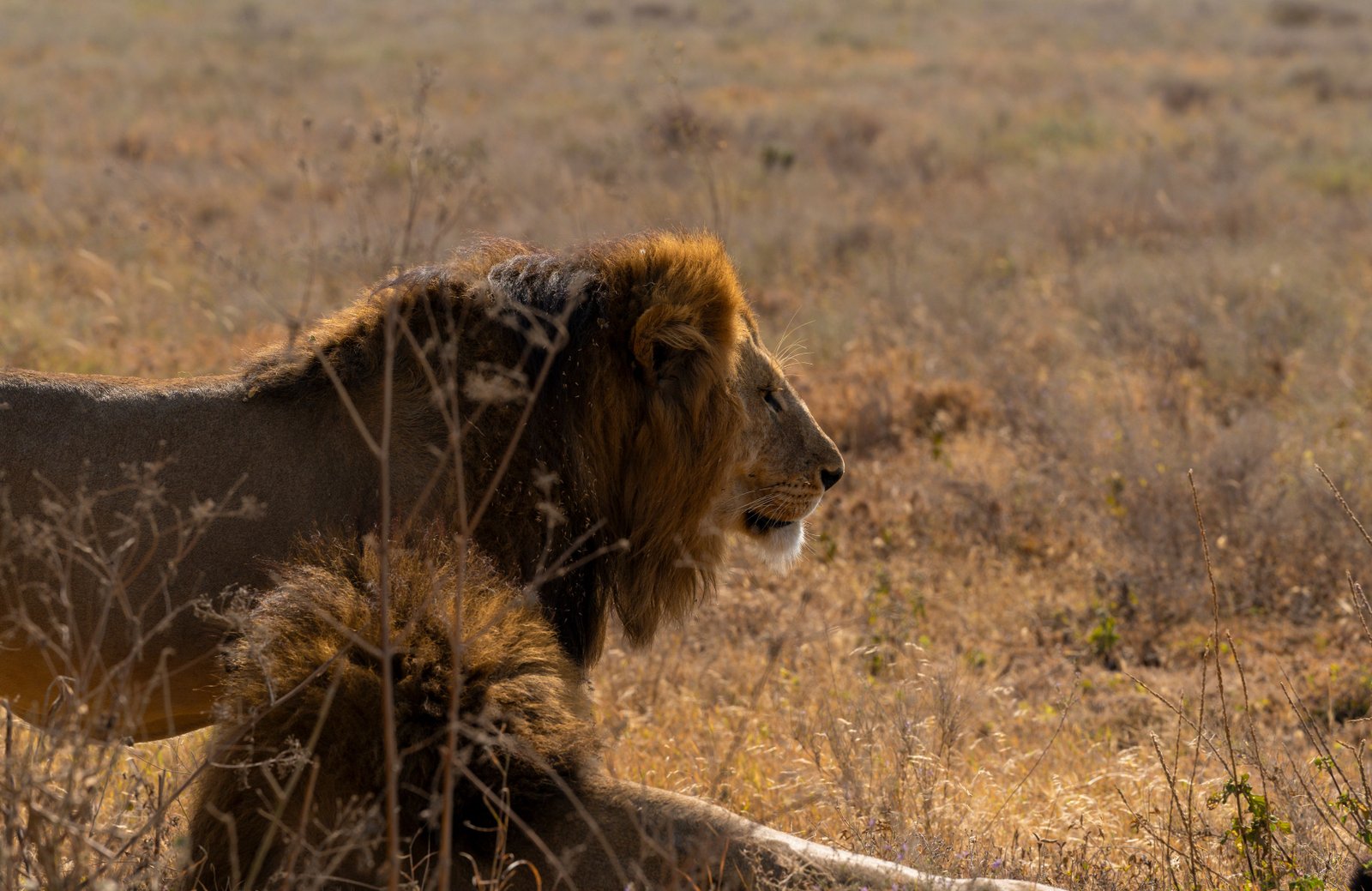
Best Time to Visit Tanzania for Wildlife Safaris: Month-by-Month Guide
Tanzania is one of Africa's premier safari destinations, offering incredible wildlife viewing throughout the year. Planning the best time to visit Tanzania for a Safari depends on what you want to see, from the Great Migration River crossings to lush green landscapes filled with newborn animals. Also depends on your budget and your tolerance for crowds.
Rede Tours andSafaris, help travelers choose the perfect safari season and create unforgettable adventures across Tanzania’s most iconic national parks.
.jpg)
What matters more than a calendar is what you want from your trip. For most travelers, thedry season (June to October) is considered the best time for a classic Safari experience. However, the lesser-knowngreen season (November to May)offers fewer crowds, stunning scenery, and unique wildlife moments that many overlook.Rede Tours and Safarisequipped a month-by-month guide on the best time to visit Tanzania for wildlife safaris.
Tanzania Safari Seasons at a Glance
·
·
·
·
January – Calving Season Begins
It is a calving season and predator action.
Highlights include:
- Thousands of wildebeest give birth in the southern Serengeti.
- Excellent opportunities to witness lions, cheetahs, and hyenas hunting.
- Warm temperatures with occasional short rains.
- Great for photographers thanks to dramatic wildlife interactions.
Top destinations:
- Serengeti National Park (Southern Serengeti)
- Ngorongoro Conservation Area
- Ndutu Area
- Tarangire National Park
Wildlife highlights:
- Wildebeest calves
- Lions
- Cheetahs
- Hyenas
- Elephants
February – Peak Calving Season
February is one among the Tanzania’s most exciting safari months.
Highlights include:
·
·
·
·
Best destinations
·
·
·
March – Green Season Continues
March is another good month for Safari in Tanzania, although the first half is considered safer from a weather perspective. The predator action around the herds is still remarkable, and photographic opportunities abound. It is a month for quiet safaris and fewer tourists.
- Beginning of the long rainy season.
- Lower accommodation prices.
- Beautiful green scenery.
- Wildlife remains abundant, though roads may become muddy.
- Fantastic photography
Ideal for:
- Budget travelers
- Birdwatchers
- Landscape photography
Top destinations:Serengeti (Central), Ngorongoro Crater, Lake Manyara.
April – Green Season
Green season experiences. April brings the long rains, and with them, the lowest rates and fewest tourists of the year.
Pros
- Lowest safari prices (rates, 20-40% below peak)
- Very few visitors
- Stunning green landscapes and dramatic skies
- Excellent birdwatching with migratory species
Cons
- Heavy rainfall
- Some lodges and camps close temporarily
- Difficult road conditions in remote areas
Top destinations:
·
·
·
May – Quiet and Affordable
May continues the long rains, though they begin to taper by late May. May remains part of the green season.
Why visit this season
·
·
·
·
Best for:
·
·
·
June – Dry Season Begins
June marks the start of the dry season and the beginning of the most popular safari period. The rains have ended, vegetation begins to thin, and wildlife concentrates around remaining water sources. Visibility improves dramatically. There are pleasant temperatures and it is great time before peak tourist crowds arrive.
Highlights
·
·
·
·
Top destinations
- Tarangire National Park
- Ruaha National Park
- Serengeti
- Nyerere National Park
July – Peak Safari Season
July is one of the most popular safari months; it called the peak season. The migration herds arrive at the Mara River in the Northern Serengeti, and the famous river crossings begin. Hundreds of thousands of wildebeest and zebra gather on the banks, building courage before plunging into crocodile-infested waters. The crossings are chaotic, dramatic and utterly unforgettable.
Expect the following during this season:
- Cool mornings
- Sunny afternoons
- Excellent game viewing
- Large elephant herds
- Minimal mosquitoes
Best for:
·
·
·
·
Top destinations:Serengeti (Northern), Mikumi, Tarangire, Ngorongoro Crater
August – River Crossing Season
August is considered by many to be the absolute peak month for a Tanzania safari. The Mara River crossings continue in full force, the weather is dry and clear (15–28°C), and the entire Northern Serengeti is alive with the drama of the migration. One of Tanzania's most famous wildlife spectacles occurs as wildebeest cross dangerous rivers while crocodiles wait below.
Highlights:
- Wildebeest migration
- Nile crocodiles
- Exceptional predator encounters.
Best for:Great Migration River crossings
Top destinations:
·
·
·
·
September – Excellent Wildlife Viewing
Best for:Peak wildlife viewing.
It is the best month for Ngorongoro Crater as animals concentrate around the crater floor lakes and marshes, making for very productive game drives. September combines dry weather with outstanding game viewing.
September offers:
·
- Sparse vegetation
- Animals concentrated around water
- Outstanding photography opportunities
This is among the best months for first-time safari visitors.
Top destinations:
·
·
·
·
October – Final Dry Season Month
October marks the end of the dry season. The landscape is at its most parched, but this concentrates wildlife beautifully around the last remaining water sources. The migration herds begin drifting eastward from the Northern Serengeti, and some start the long march south back towards the calving grounds.
- Excellent game viewing continues.
- Warm temperatures.
- Smaller crowds compared to July and August.
Top destinations:
·
·
·
·
November – Short Rains Begin
November brings the short rains, typically light, brief showers that green up the landscape without disrupting game drives, birdwatching and green landscapes.
Benefits include:
- Fresh vegetation
- Migratory birds arrive
- Fewer visitors
- Good value on safari packages
December – Safari and Holiday Season
December is a tale of two halves. Early December (1–20) offers green-season rates with improving weather as the short rains end. Late December (21–31) is peak holiday season, with families from around the world celebrating Christmas and New Year on safari, a truly magical experience.
By December:
- The Great Migration returns toward the southern Serengeti.
- Wildlife activity increases as calving season approaches.
- Festive holiday atmosphere at safari lodges.
Perfect for combining:
- Safari
- Beach holidays on Zanzibar
Best Time for Specific Wildlife Experiences
Experiences | Best Months |
Great Migration | July – October |
Calving Season | January – February |
Predator Action | January – March |
Birdwatching | November – April |
Budget Safaris | March – May |
Best Overall Wildlife | June – October |
Photography | January – February, August – September |
Best Time to Visit Each Major Park
National Park Best Time
Serengeti National Park June- October, January -March
Ngorongoro Crater Year-round
Tarangire National Park June - October
Lake Manyara National Park June – October
Nyerere National Park June- October
Ruaha National Park June – October
Mikumi National Park June – October
Why Travel with Rede Tours and Safaris?
Choosing the right safari company makes all the difference. WithRede Tours and Safaris, you will enjoy:
·
·
·
·
·
·
Whether you need to witness the Great Migration, descending to Ngorongoro Crater, or relaxing on Zanzibar’s white-sand beaches after your safari,Rede Tours and Safariscan create the perfect Tanzania adventure.
.jpg)
Frequently Asked Questions
What is the best overall month for a Tanzania safari?
July through September offers the best overall wildlife viewing thanks to dry weather and exceptional game concentrations.
When can I see the Great Migration?
The migration can be seen year-round in different parts of the Serengeti. River crossings usually occur from July to September, while calving takes place from January to February.
Is Tanzania worth visiting during the rainy season?
Yes. April, may, and November offer lush scenery, fewer tourists, excellent birdwatching, and the attractive safari discount.
How far in advance should I book a safari?
From travel between June and October or during Christmas and New Year, booking 6-12 months in advance is recommended to secure the best lodges and availability.
Overall Recommendation
- June to October:The best overall period for wildlife safaris, thanks to dry weather, excellent visibility, and abundant animals.
- January to February:Ideal for witnessing the wildebeest calving season and dramatic predator-prey encounters.
- March to May:Best for travelers seeking lower prices, fewer crowds, and lush scenery, while accepting a higher chance of rain.
No matter the month, Tanzania offers exceptional wildlife experiences, with each season showcasing a different aspect of its remarkable ecosystems. The key is just planning it right.Rede Tours and Safarishelp travelers to plan and choose the right moment depending on one’s interests and priorities. Plan your perfect safari withRede Tours and Safaris. Contact us early for the best availability and rates.
Rede Tours and Safaris (Amore African Safari
📧 Email:redetours2005@gmail.com
📱 WhatsApp: +255 676 063 791
🌐 Website:www.redetoursandsafaris.com