Best Camera for Safari for Beginners: Easy, Affordable & High-Quality Options
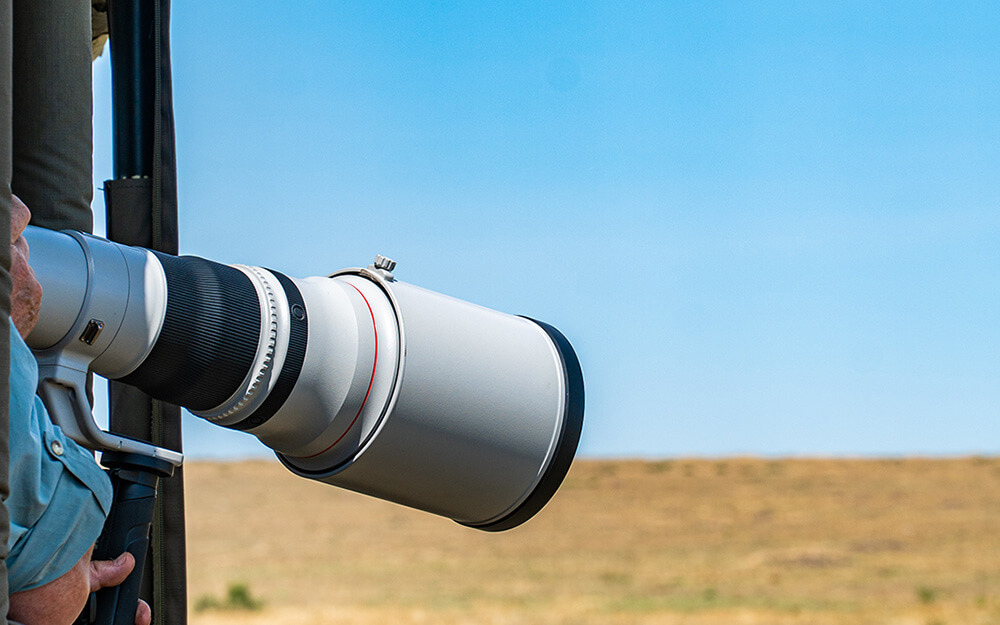
Choosing the best camera for safari for beginners is one of the most important things I always tell people to think about before going to places like Serengeti, Mikumi, or Masai Mara. Safari photography is not like normal travel photos because everything happens in real time and very quickly. You are dealing with animals that are far away, sometimes hidden in grass or trees, light that changes very fast from soft morning glow to harsh midday sun, and most of the time you are shooting from a moving safari vehicle where stability is not always perfect. That is why having the right camera makes a huge difference in the quality of your safari memories. A good camera helps you react faster, zoom in clearly, and capture moments you might never see again. The good thing is you don’t need expensive professional gear or advanced photography skills to get started. Even a simple beginner camera can give you amazing results if you choose correctly and understand how to use it properly in safari conditions.
What Makes a Good Safari Camera?
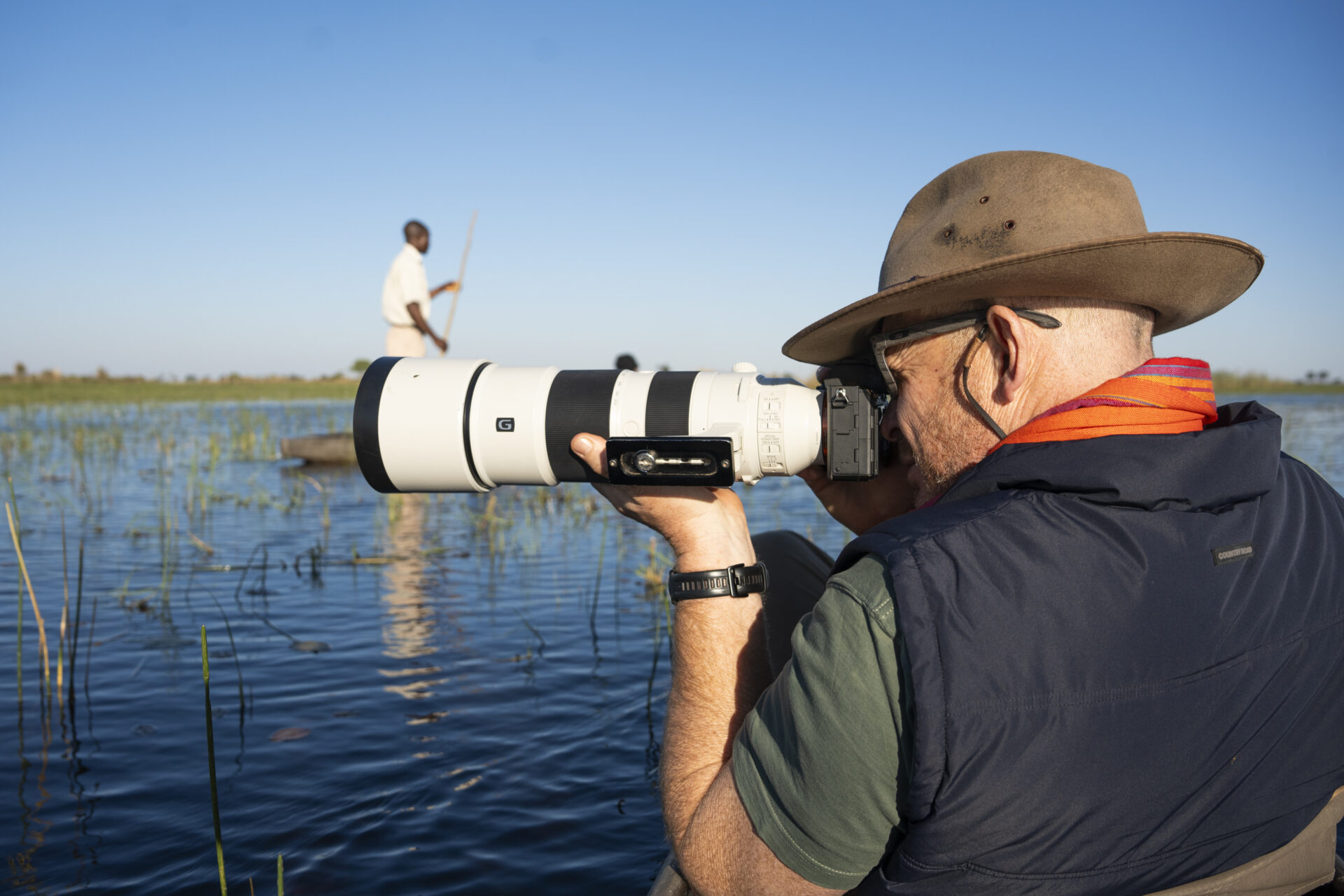
When we talk about a good safari camera, we always focus on simple things that really matter in the field. First, zoom is everything. On safari, animals rarely come close to the vehicle, so if your camera cannot zoom properly, you will miss most shots. That is why optical zoom is more important than anything else. Second, your camera must focus quickly. Animals move suddenly, especially lions, elephants, or cheetahs, so slow focus means missed moments. Third, battery life matters a lot because safari game drives can last many hours without charging points. Finally, durability is important. Safari environments are dusty, hot, and sometimes rough, so your camera should handle outdoor conditions without problems.
Best Camera Types for Safari Beginners
This break down is a simple way so you understand what actually works best on safari. A bridge camera is the easiest option we usually recommend to beginners. Everything is already built in, especially the zoom lens, so you don’t need to worry about changing lenses or carrying extra equipment. You just turn it on and start shooting. It is very practical when animals appear suddenly, and it is perfect if you want something simple, lightweight, and stress-free while still getting good safari photos. A DSLR camera is more traditional and is what many photographers start with when they want to take photography a bit more seriously. It gives very good image quality and allows you to change lenses depending on the situation. This flexibility is a big advantage on safari, but it also means you need to learn more settings and carry extra gear. It takes a bit more practice, but in return you get more control over your photos. A mirrorless camera is the newer version of a DSLR. It is lighter, more compact, and faster in many situations. One thing personally we like about mirrorless cameras is the autofocus system it is very strong and accurate, which really helps when animals are moving quickly or suddenly changing direction. For safari, this makes it easier to capture sharp, professional-looking wildlife shots without too much effort.
Best Safari Cameras for Beginners
This starts with a simple and proven options that actually work well in real safari conditions.
The Canon EOS Rebel T7 or T8i is one of the easiest DSLR cameras to start with. It is very beginner-friendly, guides you step by step, and produces sharp, colorful images. When you pair it with a good zoom lens, it becomes a very powerful setup for safari photography, especially for capturing animals like elephants, giraffes, and lions at a distance.
The Nikon D3500 is another strong beginner option. It is known for being extremely simple to use, even if you have never used a professional camera before. One of its biggest advantages is battery life, which is very important on safari because you may spend many hours in the field without charging opportunities. It is reliable, lightweight, and perfect for long game drives.
If you don’t want the stress of changing lenses at all, the Sony RX10 IV is one of the best bridge cameras you can choose. It has a powerful built-in zoom lens, so everything is already ready to go. You just point and shoot, which is very useful when animals appear suddenly and you don’t have time to adjust equipment. It is especially strong for wildlife photography and fast action shots.
The Panasonic Lumix FZ1000 II is another solid option, especially if you are looking for something more affordable but still capable. It offers good zoom, decent image quality, and is easy to carry around during long safari days. It is a good balance between price and performance for beginners who want reliable safari results without spending too much.
Best Lens for Safari Photography Comparison Table
Lens Type | Zoom Range | Best For | Pros | Cons |
55–250mm | Short–Medium zoom | Beginners on a budget, general wildlife | Cheap, lightweight, easy to use | Limited reach for far animals |
70–300mm | Medium–Long zoom | Balanced safari photography | Good reach, sharp images, affordable | Not enough for very distant animals |
100–400mm | Long zoom | Serious safari wildlife shots | Excellent zoom, very clear details | More expensive, heavier |
150–600mm | Ultra-long zoom | Professional safari photography | Extreme reach, best for distant lions/leopards | Heavy, expensive, hard for beginners |
Built-in zoom (Bridge cameras) | 24–600mm+ (varies) | Easy all-in-one option | No lens changing, very convenient | Smaller sensor than DSLR/mirrorless |
Simple Guide (How I would explain it to you)
- If you are a beginner, start with 70–300mm or a bridge camera
- If you want better safari photos, go for 100–400mm
- If you want pro-level wildlife shots, only then consider 150–600mm
Safari Camera Budget Guide
If you are just starting, you can get a decent safari photography setup for around $400 to $700. At this level, you are usually looking at entry-level DSLR kits or basic mirrorless cameras with a kit lens. This is more than enough to learn the basics and still capture good wildlife shots, especially in well-lit conditions during game drives.
If you want something better and more flexible, you should expect to spend around $800 to $1500. In this range, you get improved image quality, faster autofocus, and much better zoom options when you pair your camera with a proper telephoto lens. This is the sweet spot for most safari travelers because it balances price and performance very well.
If you go higher than $2000, you are entering advanced photography territory. Here you get professional-level cameras, stronger low-light performance, and high-end zoom lenses that deliver extremely sharp wildlife images even at long distances. However, the truth is that beginners do not need to spend this much to get great safari photos. With the right basic setup and good technique, even mid-range equipment can produce excellent results on safari.
Smartphone vs Camera for Safari
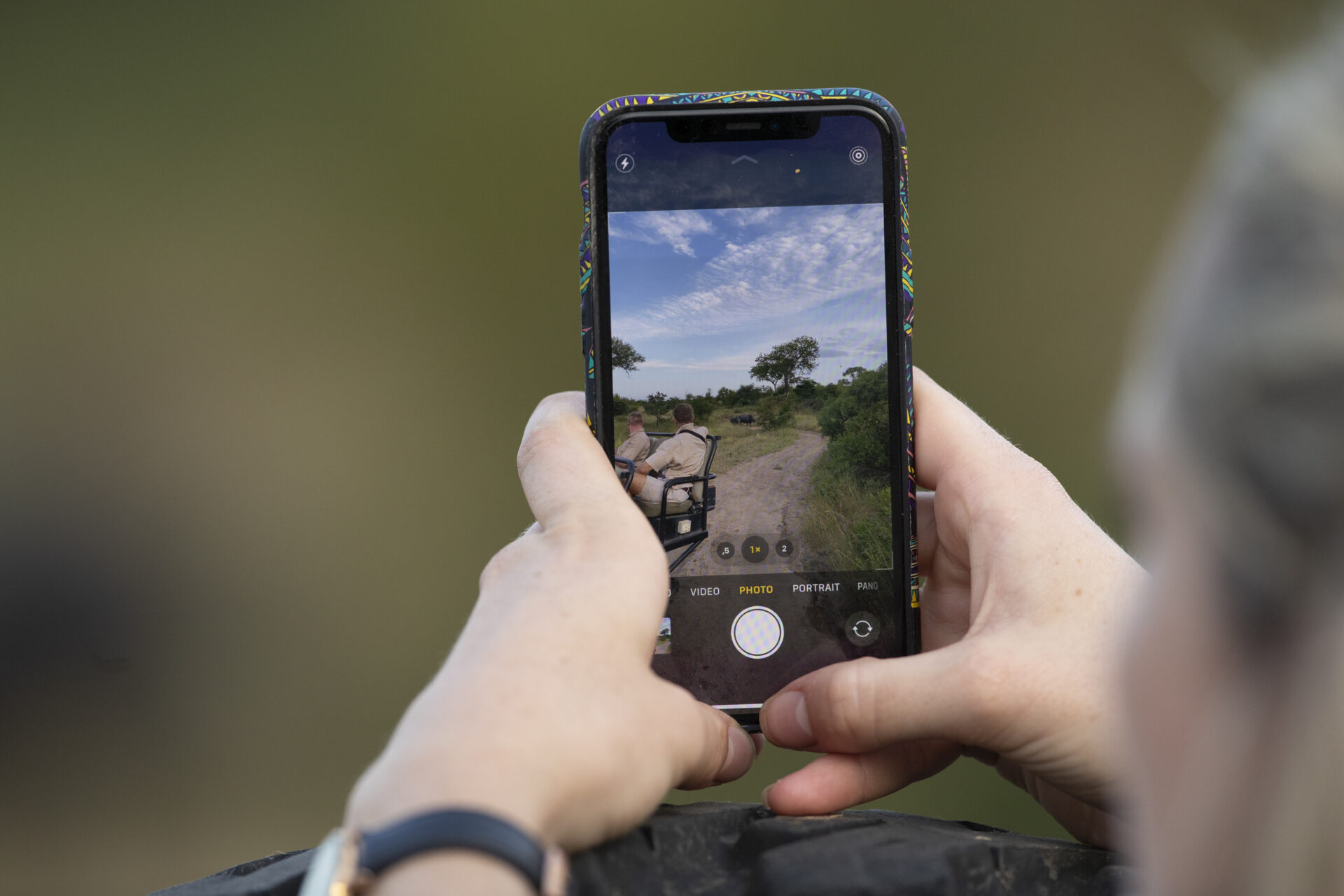
Many people ask me if a phone is enough for safari photography, and my answer is usually yes and no, depending on what kind of photos you want. Phones today can take very good photos, especially in bright daylight, and they are extremely easy to use. For close animals like zebras near the road, elephants walking nearby, or quick moments inside the safari vehicle, a smartphone can actually perform surprisingly well. It is also convenient because you can quickly take photos, record videos, and share your experience instantly without changing any settings.
However, the challenge starts when animals are far away, which is very common on safari. Most wildlife is not close to the vehicle, so you often need strong zoom to capture clear details. This is where phones struggle. Digital zoom reduces image quality quickly, and the further you zoom, the more you lose sharpness and detail. That is why animals like lions resting in the distance, leopards in trees, or elephants across the savannah often appear blurry or unclear in phone photos. A real camera with optical zoom solves this problem completely. It allows you to zoom in without losing image quality, giving you sharper, clearer, and more professional-looking wildlife photos. This is why, even though phones are useful, a dedicated camera is still the best choice for serious safari photography.
Recommended Safari Camera Settings for Beginners
Use a fast shutter speed like 1/1000 because animals move suddenly. Switch your camera to burst mode so you can take many photos quickly when something exciting happens. Use continuous autofocus (AF-C) so your camera keeps tracking moving animals. Keep ISO low during the day, around 100–400, to avoid grainy photos. These small settings can completely change the quality of your safari pictures.
Safari Photography Tips for Serengeti (Pro Guide)
Serengeti is one of the most incredible wildlife photography destinations in the world, but it also demands patience, timing, and the right technique. Animals move unpredictably, lighting changes quickly, and most shots are taken from a moving safari vehicle. To capture truly professional-looking images, it is not only about having a good camera, but also about understanding how to react in real safari situations. These simple but powerful tips will help you take sharper, more meaningful wildlife photos during your Serengeti adventure.
- Shoot during golden hours only (early morning and late afternoon) for soft, dramatic light and better animal detail.
- Always use a fast shutter speed to freeze animal movement and avoid blurry images.
- Use continuous autofocus (AF-C) to keep moving animals sharp and in focus.
- Position yourself well in the safari vehicle for a clear, unobstructed 180° view.
- Don’t zoom too early first capture the wider scene, then move in for detail shots.
- Keep your camera ready at all times so you don’t miss sudden wildlife action.
- Use burst mode to capture multiple frames and increase chances of a perfect shot.
- Pay attention to backgrounds and aim for clean, natural scenes like plains or skies.
- Protect your gear from dust using covers and avoid changing lenses in open areas.
- Be patient and wait for natural animal behavior like hunting, feeding, or interaction moments.
Safari Photography Challenges You Should Know
Safari photography is not always easy because conditions in the wild are constantly changing. Animals are often far away, which means you need strong zoom to capture clear details. Dust is also everywhere on safari, especially during game drives, so protecting your camera and lens is very important. Shooting from a moving vehicle can also make it difficult to keep images stable and perfectly sharp. On top of that, lighting changes very quickly, especially in the early morning and late afternoon the same times when wildlife activity is at its best. This creates both opportunity and challenge because you get beautiful light, but you must also adjust quickly to avoid overexposed or underexposed shots. If you understand these challenges before your safari, you will be much better prepared and more confident in capturing high-quality wildlife photos.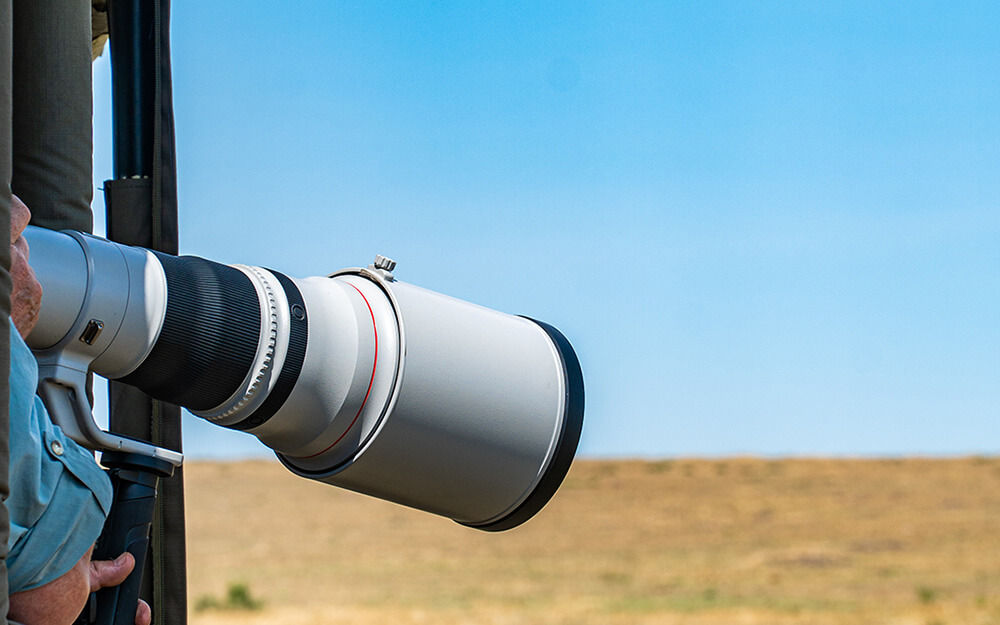
What we always tell beginners is this: don’t focus on buying the most expensive camera. Focus on getting something simple that you can actually use comfortably in real safari conditions. The best camera is the one that helps you react quickly, stay confident, and enjoy the experience instead of struggling with settings. If you want easy shooting with less stress, go for a bridge camera like the Sony RX10 IV because everything is built in and ready to use. If you want to learn photography properly and grow your skills over time, then choose a Canon or Nikon DSLR with a good zoom lens so you can have more control and flexibility. Either way, if you have the right mindset, basic understanding, and patience, you will come back from safari with incredible wildlife photos that truly capture your experience.
If you are planning your safari to Tanzania or East Africa, don’t wait until the last minute to prepare your photography gear. Choose your camera early, practice simple settings, and get comfortable before your trip. And if you want help planning your full safari experience from destinations like Serengeti and Mikumi to photography tips and itineraries reach out and start preparing your adventure the right way today.
