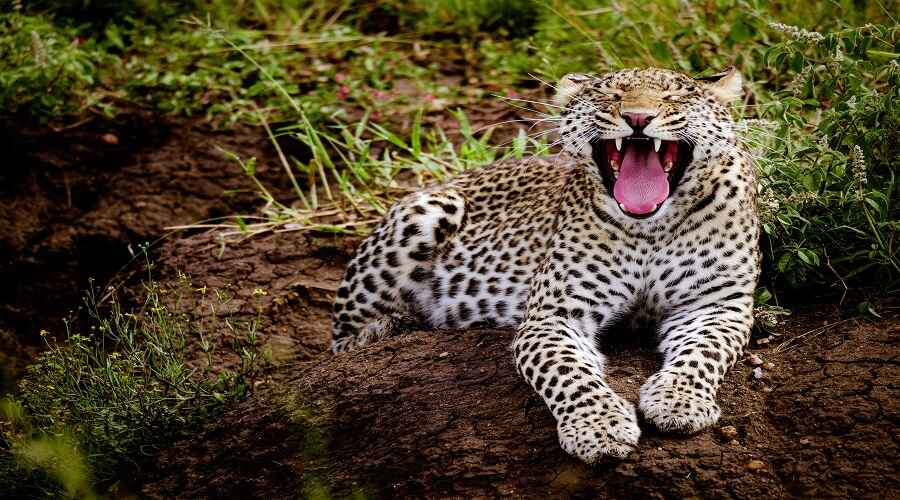
ANIMALS TO SEE ON TANZANIA SAFARI
Going on a safari in Tanzania is like stepping into a real-life wildlife movie, where every moment is full of excitement and wonder. From the endless golden plains of the Serengeti, home to large herds of wildebeest and zebras, to the dramatic Ngorongoro Crater, where predators and prey share a breathtaking natural arena, every game drive brings new surprises. The green forests of Tarangire and the lakeside landscapes of Lake Manyara add even more variety, with playful monkeys, colourful birds, and hidden wildlife waiting to be discovered. No two safaris are ever the same, each day offers a new adventure, whether it’s spotting a lion resting in the shade, watching elephants roam past baobab trees, or catching a glimpse of rare rhinos in the distance.
Below, we’ve created a complete guide to the most amazing animals you can expect to see on your Tanzania safari, helping you plan for an unforgettable journey into the heart of Africa’s wilderness.
The Big Five in Tanzania
Lions
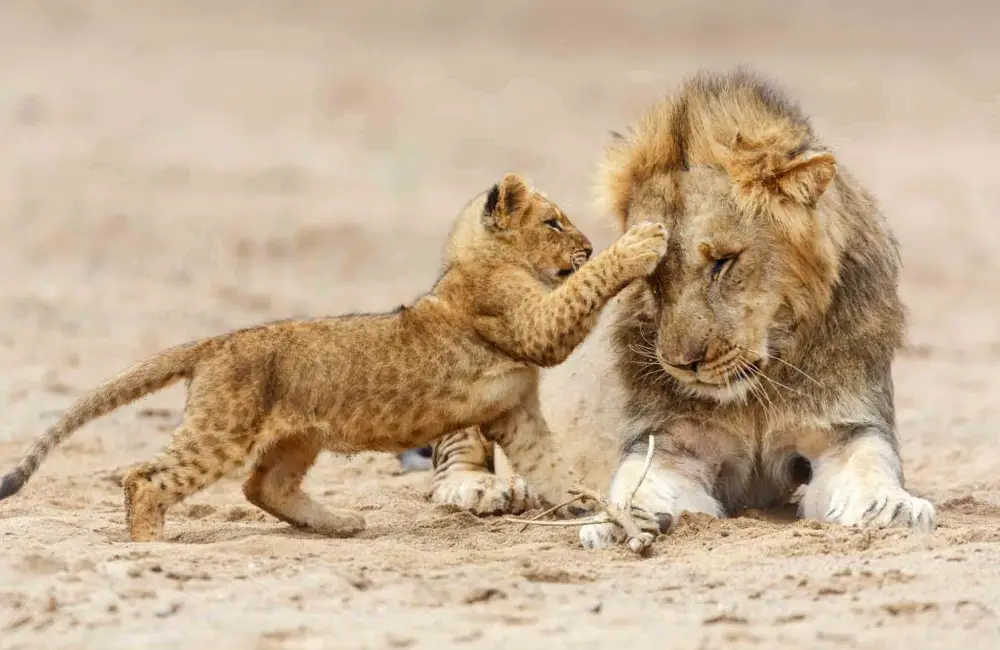
Tanzania is known as the Land of Lions, especially in the Serengeti and Ngorongoro. Lions spend most of their day relaxing under trees or lying in the tall grass to stay cool. Early morning and late afternoon are the best times to see them active. You may spot lion families with playful cubs or hear their powerful roar traveling across the plains. Tanzania has one of the highest lion populations in Africa, so sightings are very frequent and exciting.
Elephants
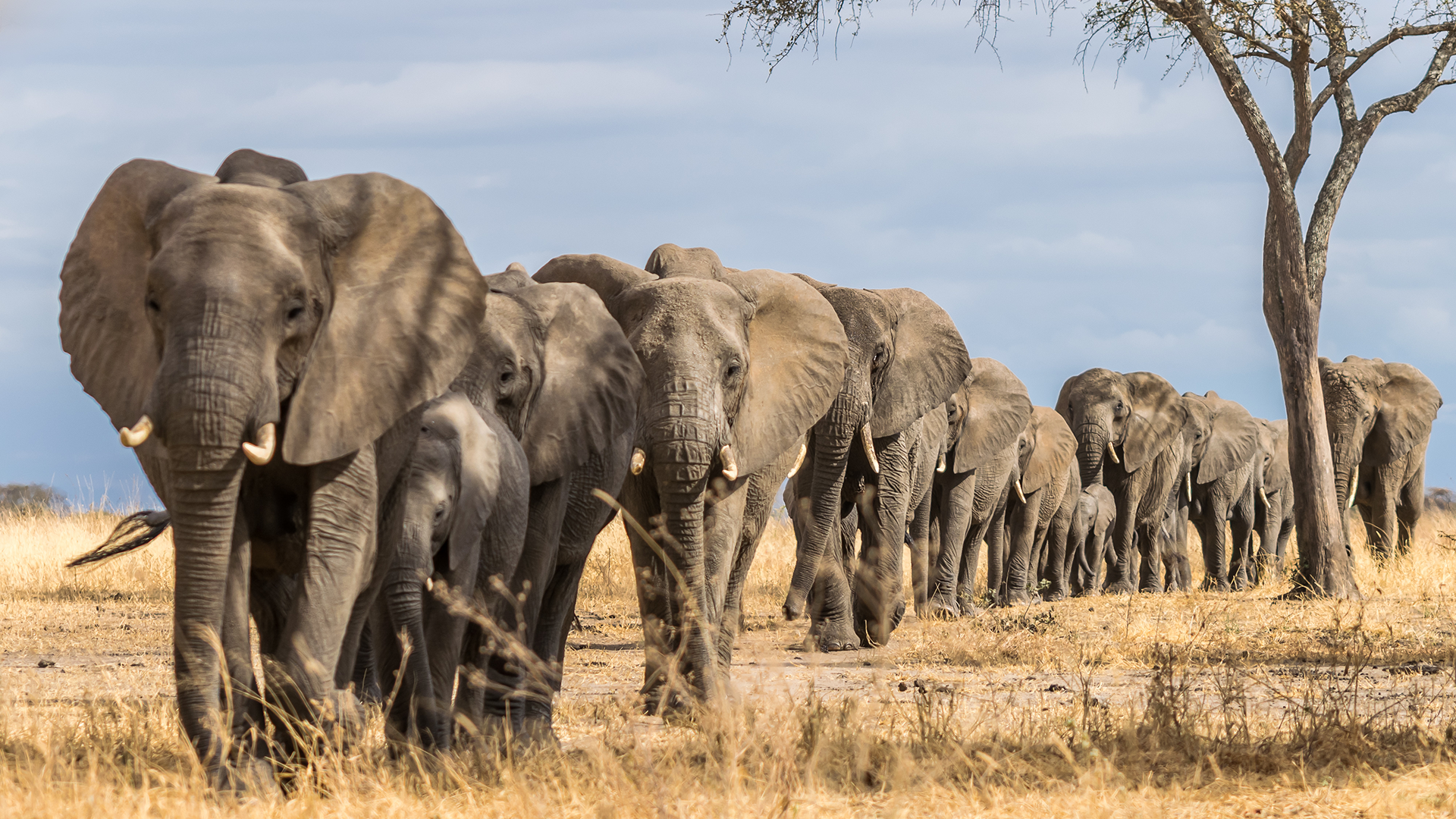
Gentle giants of the bush. Tarangire National Park is famous for its huge elephant families, some with dozens of elephants walking together. You can watch them use their trunks to pull branches, play in waterholes, or guide their babies across the road. Elephants are intelligent and emotional, and it’s truly heartwarming to see their interactions up close.
Buffalo
Buffaloes are strong and impressive animals, often moving in large herds. They gather around water sources and are always alert, watching their surroundings for predators. You’ll often see oxpecker birds sitting on their backs, helping clean insects. Buffaloes are one of the most common Big Five sightings in Tanzania, especially around Serengeti, Manyara, and Ngorongoro.

Leopards
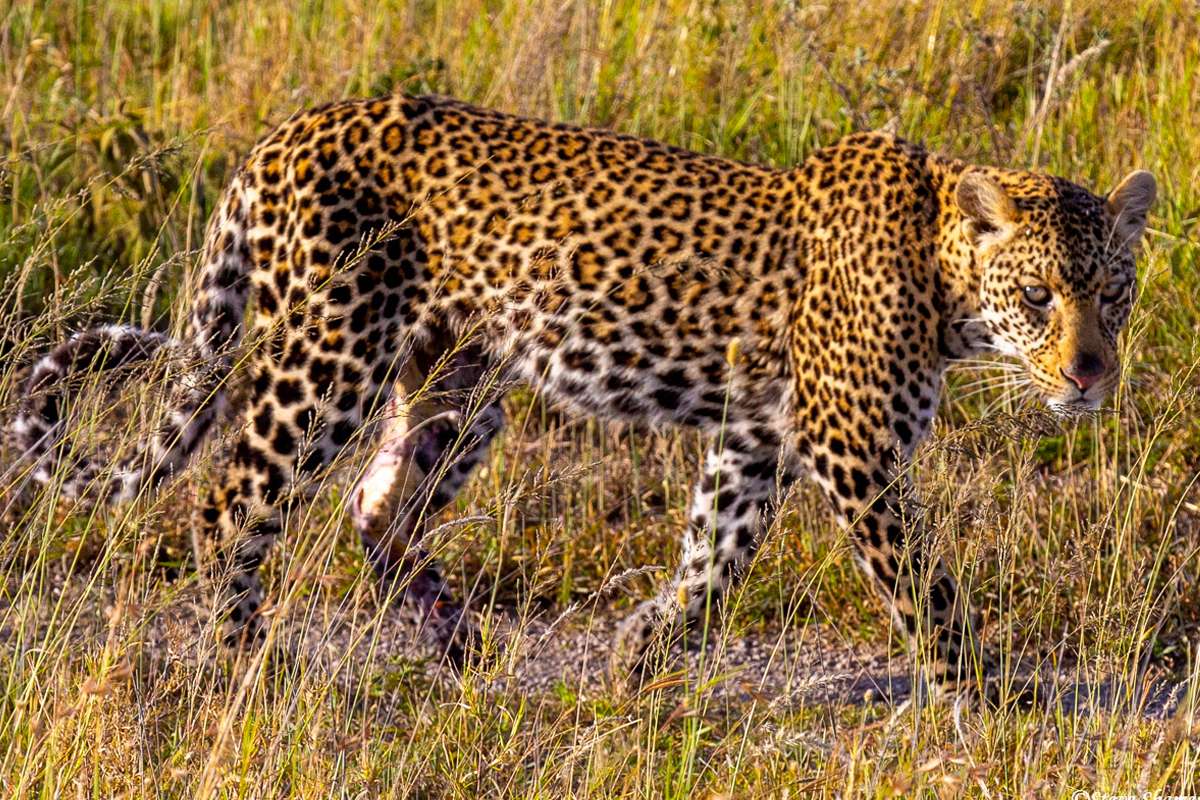
Leopards are beautiful but shy animals that prefer quiet, shaded areas. In Lake Manyara and parts of the Serengeti, you might see them resting on tree branches, their tails hanging down. They are excellent climbers and often store their food in trees to keep it safe. Spotting a leopard is a magical moment because they are so elegant and mysterious.
Rhinos
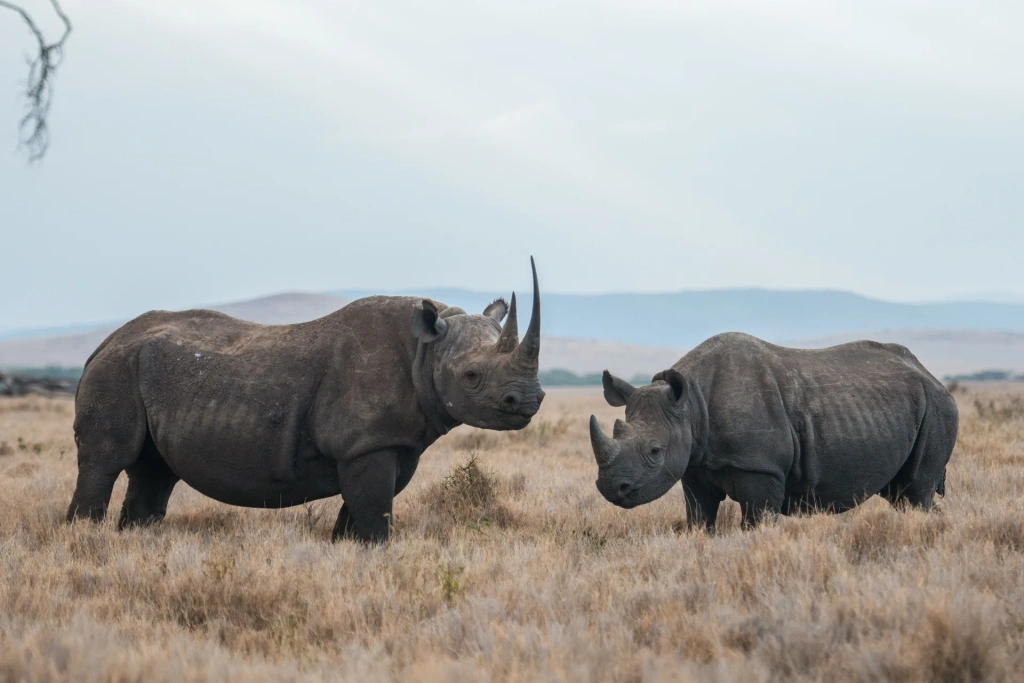
Seeing a rhino is a very special moment because they are rare and protected. The Ngorongoro Crater is the best place in Tanzania to see the black rhino. They usually stay in open grasslands, slowly moving while grazing. Guides use binoculars to help you observe them from a safe distance. Their size and strong presence make them unforgettable.
The Great Migration Animals in Tanzania
Wildebeest
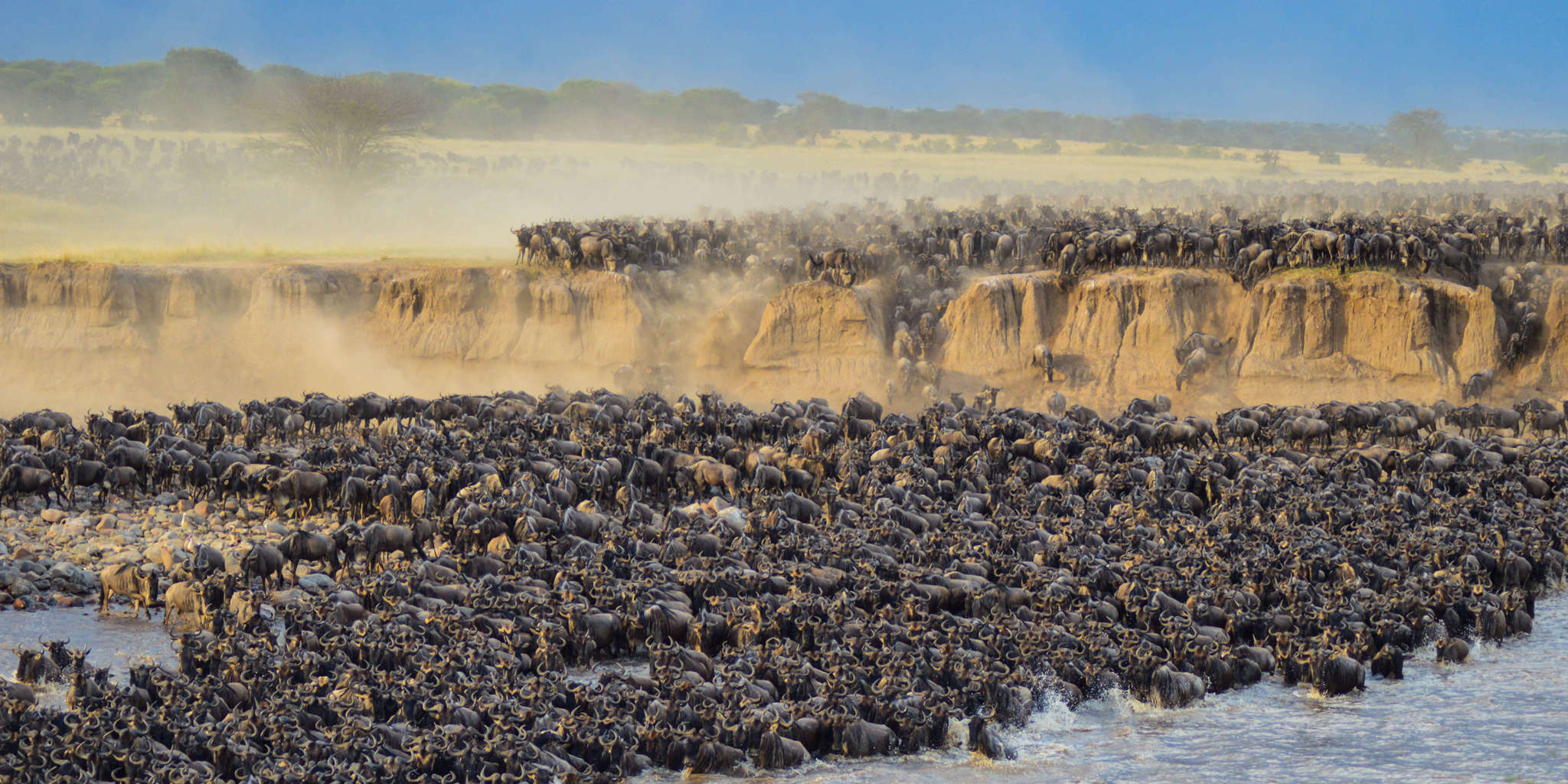
Over 1.5 million wildebeest travel across the Serengeti every year during the Great Migration. They move in huge groups, making deep sounds called “gnus.” You might see them running in long lines, filling the horizon, or gathering at riverbanks before crossing. The migration is the largest animal movement on earth, and watching it live feels like witnessing a true wonder of nature.
Zebras
Zebras travel closely with wildebeest because they help protect each other from predators. Their stripes act like natural camouflage and each zebra has a unique pattern, like a fingerprint. You’ll see them grazing peacefully, playing with each other, or taking turns keeping watch for danger. Their beauty and behavior make them one of the favorite animals for safari photography.
Gazelles and Antelopes
Serengeti and Tarangire are home to many types of antelopes, including impalas, Thomson’s gazelles, elands, and hartebeests. They are fast and graceful animals, always ready to leap away at the first sign of danger. You’ll often see them in small groups, grazing together or standing still with their ears pointed up, listening carefully for predators.
Great Migration
Predators in Tanzania
Cheetahs
Tanzania is one of the best places to see cheetahs because of its wide, open plains. Cheetahs are the fastest land animals, known for their incredible speed during hunts. You might see them standing on termite mounds to get a better view, walking gracefully through the grass, or resting with their young. Their slim bodies and beautiful spots make them very easy to recognize.
Hyenas
Hyenas are clever and powerful animals that play an important role in nature. They often hunt in groups, but they are also known for taking over prey from other animals. Their “laughing” sound is unique and can often be heard early in the morning. You might see them walking in groups, playing near their dens, or relaxing in the shade after a busy night.
Wild Dogs (African Painted Dogs)
Wild dogs are rare but extremely beautiful animals with colorful coats. They are known for excellent teamwork and strong family bonds. When lucky, visitors can see them running together, protecting their pups, or planning group hunts. They move quickly and cover large areas, which makes every sighting extra special.

Cheetahs
Hippos and Water Animals in Tanzania
Hippos
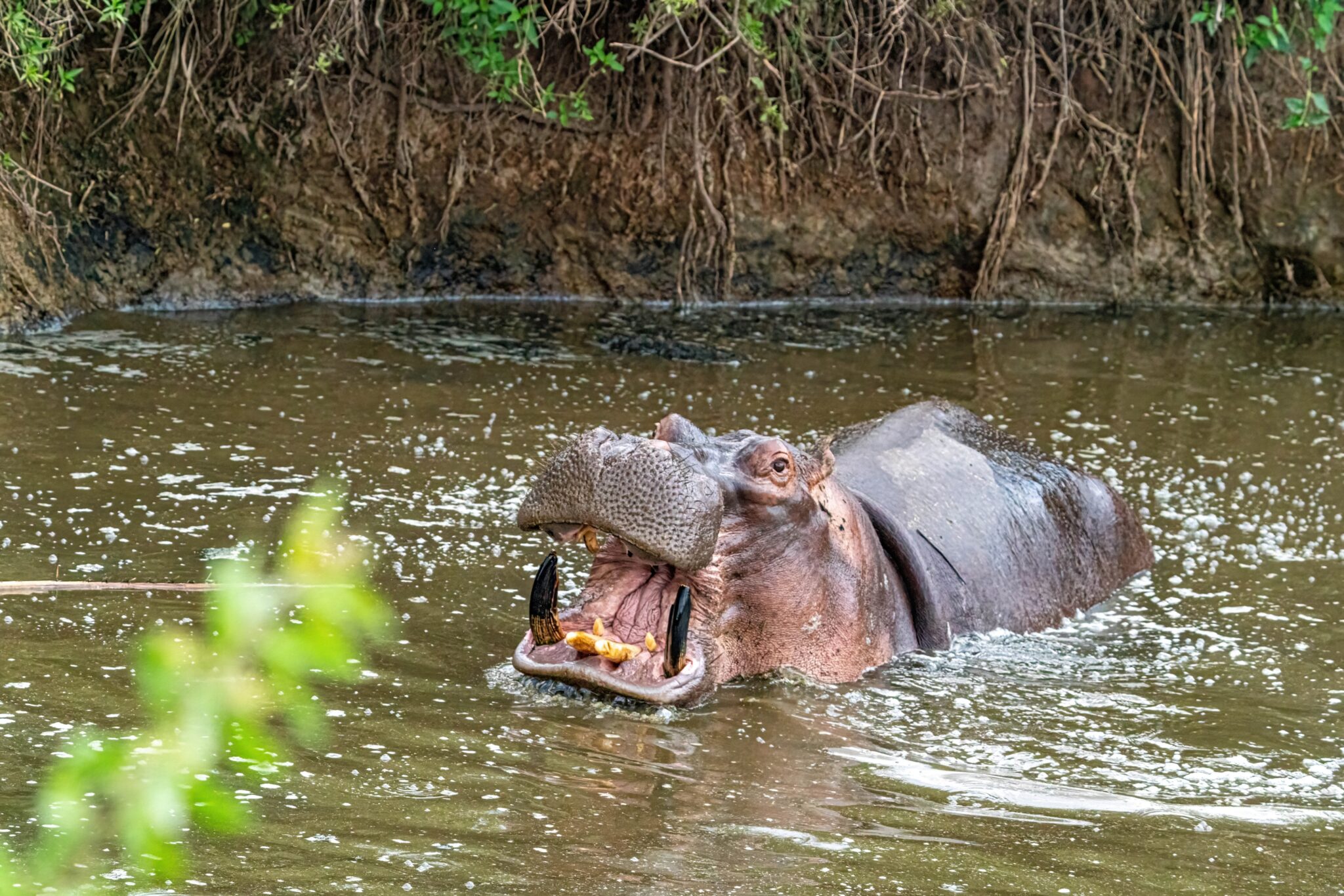
Hippos spend most of the day inside water to keep cool. In Serengeti and Ngorongoro, you can visit hippo pools where dozens of them stay close together. You’ll hear their loud grunts, see their ears and eyes sticking above the water, and sometimes watch them open their huge mouths. Hippos are calm in water but can be fast on land, your guide will make sure you view them safely.
Crocodiles
Crocodiles stay along rivers such as the Mara and Grumeti, waiting quietly for animals that come to drink. During the migration season, they become active as herds attempt river crossings. From a safe viewing point, you can observe their powerful bodies and learn how they survive through patience and strong instincts.
Hippos
Giraffes – Tanzania’s Gentle Supermodels
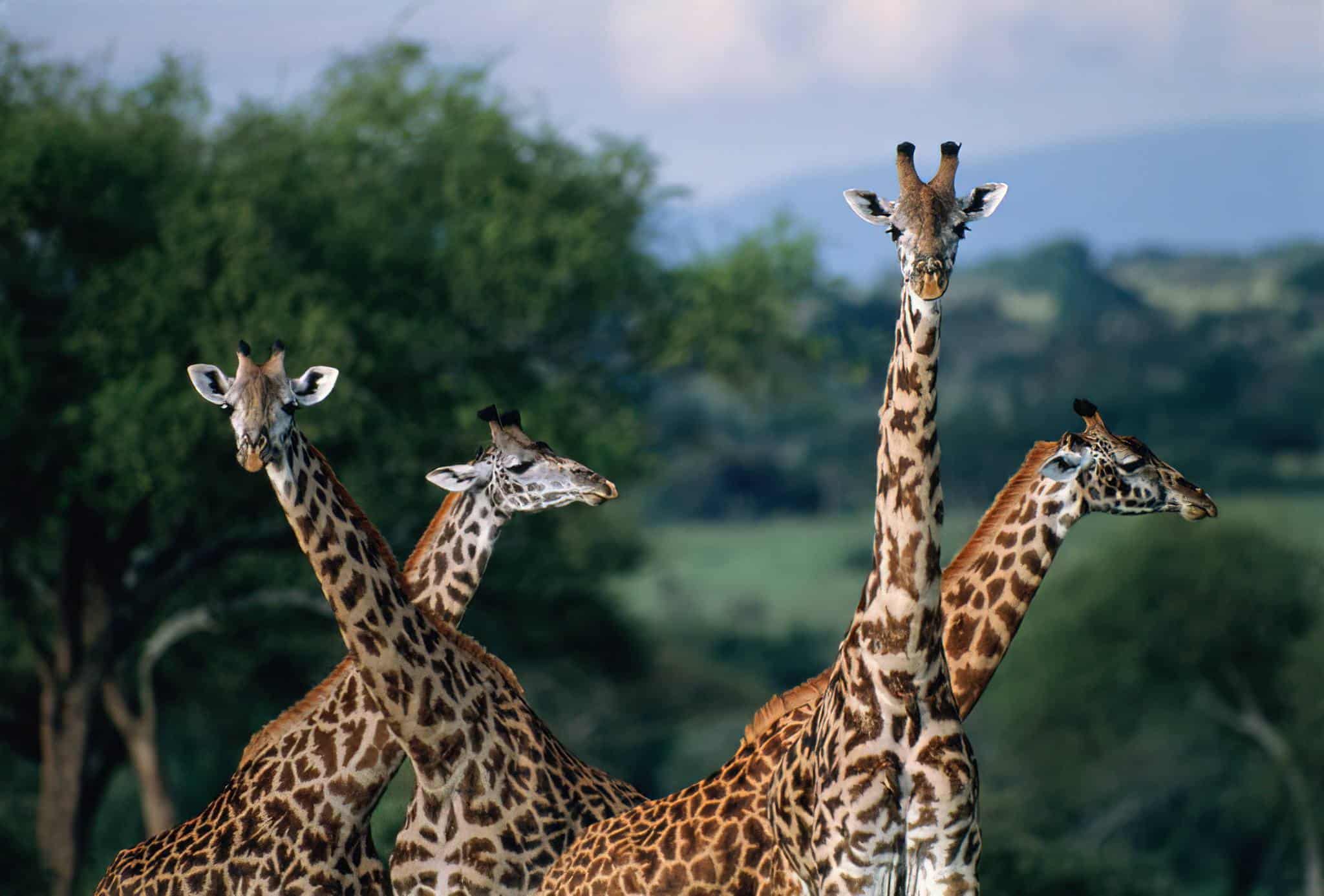
Giraffes are tall, elegant, and always a delight to see. They walk slowly and gracefully, using their long tongues to pull leaves from tall trees. Sometimes they gently swing their necks when playing or fighting. You may see them standing in groups, crossing the road with their steady step, or watching safari vehicles with calm curiosity. Tarangire and Serengeti are especially rich in giraffes, making sightings very common.
Birds in Tanzania
Tanzania has over 1,100 bird species, offering something for every nature lover.
- Flamingos create beautiful pink carpets on Lake Manyara and Ngorongoro’s lakes.
- Ostriches, the largest birds in the world, run across the plains with surprising speed.
- Crowned cranes show off bright colors and elegant feathers.
- Secretary birds walk tall through the grasslands, hunting snakes.
- Eagles and vultures fly high overhead, watching the land for food.
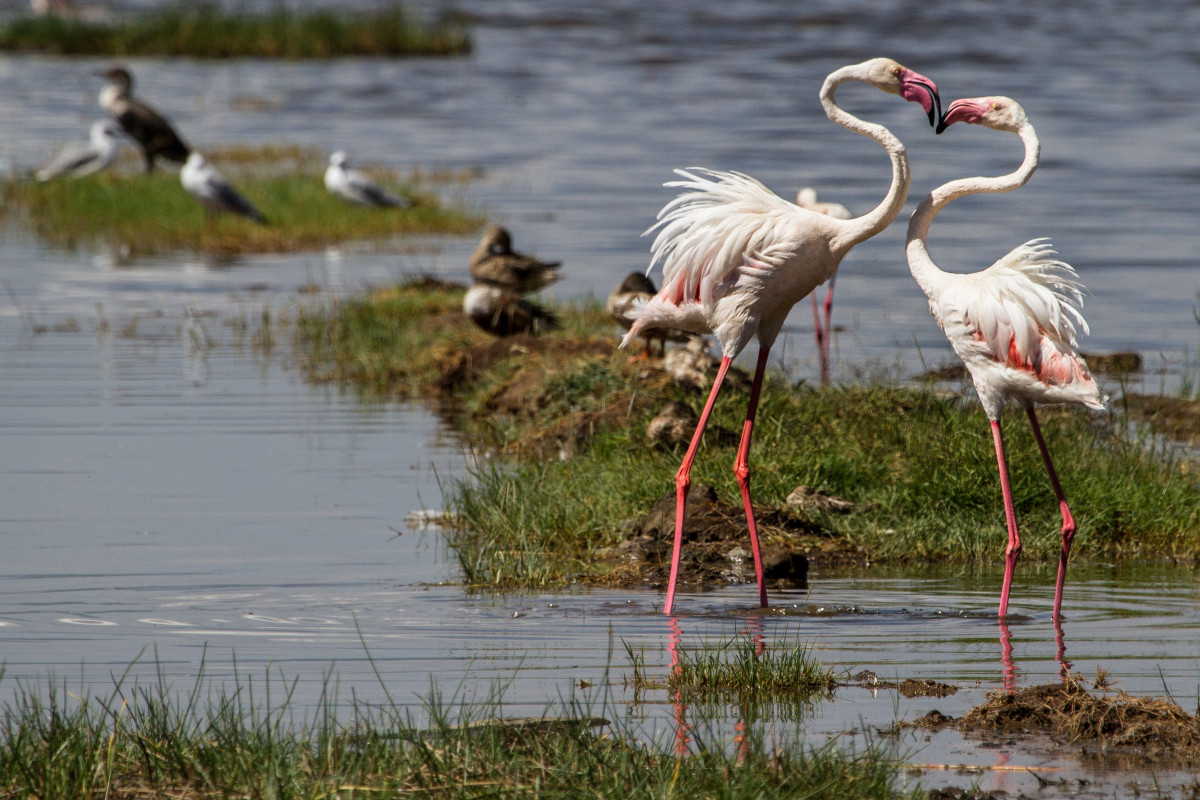
Flamingos
Monkeys and Primates in Tanzania
Baboons
Baboons often move in large families and communicate with lots of sounds and gestures. You may see babies riding on their mothers’ backs or young baboons playing and jumping around. They are smart and sometimes cheeky, so guides always remind visitors not to leave food open.
Blue Monkeys and Vervet Monkeys
These playful monkeys live in forests and around camps with trees. They love jumping from branch to branch and watching new visitors. Their expressions are fun to observe, and sometimes they sit quietly while cleaning each other’s fur, showing their social side.
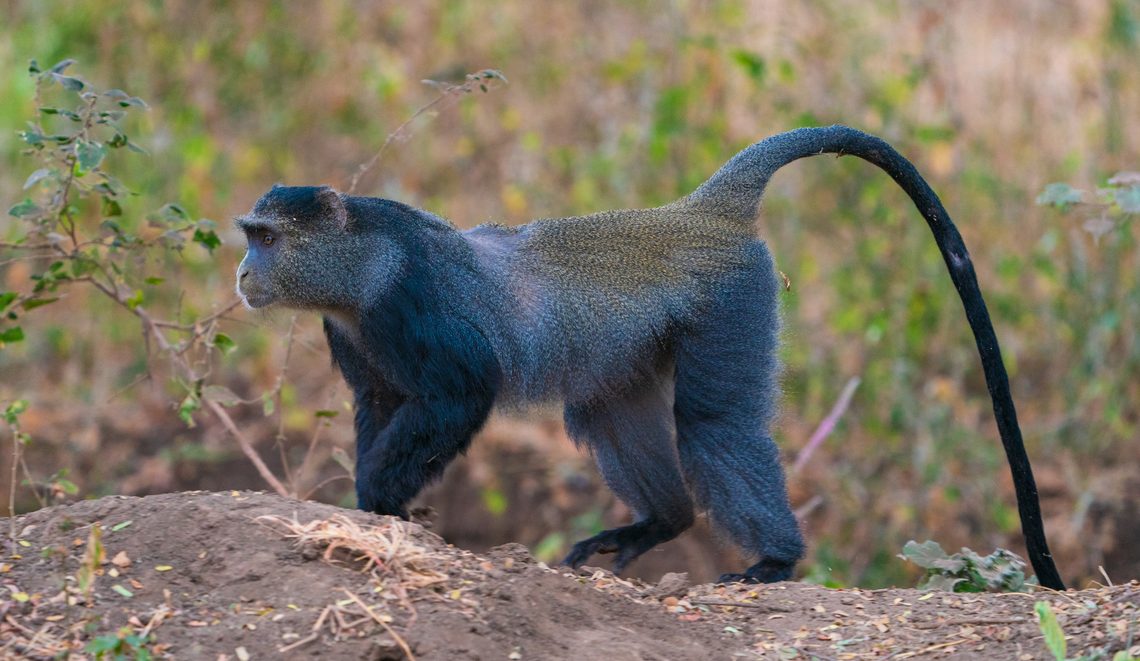
Blue Monkeys
Reptiles and Small Wildlife in Tanzania
Tanzania is not only home to big animals like lions and elephants, but also to smaller creatures that make your safari extra magical. These animals may be small, but they are fascinating and full of personality, adding charm and wonder to every game drive.
Tortoises
Are slow-moving but very interesting to watch. You might see them carefully crossing dirt roads or wandering through grasslands. Their hard shells protect them from predators, and their deliberate, steady movements make you appreciate the patience and balance of nature. Seeing a tortoise up close reminds you that even the smallest creatures play an important role in the ecosystem.
Colorful lizards
Are another delight. They often sunbathe on rocks or tree trunks, soaking up the warmth of the sun. Their bright colors and quick movements can catch your eye as they dart from one place to another. These little reptiles are important for controlling insect populations and are fun to watch as they explore their surroundings.
Chameleons
Are truly magical animals. They can change colors depending on their mood, surroundings, or temperature. Watching a chameleon slowly climb a branch while adjusting its colors is like seeing nature’s art in action. Their tiny, precise movements and unique eyes that can look in different directions at the same time make them fascinating creatures to observe.
Geckos
Are small lizards that often come out in the evening or at night. You may see them climbing around lodge walls, ceilings, and trees. They move quickly and quietly, catching insects for their meals. Geckos are harmless to humans and add a playful sense of life around your safari accommodations.
Various harmless snakes
Also live in Tanzania’s parks. They usually move quietly through the grass, avoiding humans and predators. Some are brightly patterned, while others blend perfectly into their surroundings. Even though they may be hard to spot, noticing one can be an exciting surprise, especially for nature lovers who enjoy observing wildlife in all forms.
These smaller reptiles and creatures may not be as famous as the Big Five, but they bring an extra layer of discovery and wonder to your safari. Taking the time to notice them can turn ordinary game drives into magical experiences, showing you the incredible variety and richness of life in Tanzania’s wild places.

Tortoise
Nocturnal Animals in Tanzania
Tanzania’s wildlife doesn’t sleep when the sun goes down. Night drives in certain parks offer a completely different safari experience, revealing creatures that are rarely seen during the day. The calm darkness brings a mysterious atmosphere where every rustle, call, or movement tells a story.
Bush babies
Are tiny primates with big, shining eyes that reflect light in the dark. You might see them jumping quickly from branch to branch as they search for insects or fruit. Their high-pitched calls and energetic movements make them one of the most charming and entertaining nocturnal animals to spot.
Porcupines
Are slow-moving but very interesting. They have long, sharp quills that protect them from predators. You may see them quietly walking through the grass or stopping to nibble on roots and plants. Their calm movements and unusual appearance make them a fun and memorable part of night safari adventures.
Genets and civets
Are small, secretive mammals that sneak through bushes searching for food. They are rarely seen during the day, so spotting one at night feels like discovering a hidden treasure. Their smooth, graceful movements and alert eyes make them fascinating to watch from a safe distance.
Owls
Are silent hunters of the night. Perched on tree branches, they scan the area for small mammals, insects, and reptiles. Watching an owl rotate its head almost completely around to look in every direction is mesmerizing. Their soft, silent flight adds to the calm, mysterious feeling of a night safari.
Nightjars
Are birds that rest on the ground or on low branches during the night. They are well camouflaged and often go unnoticed until you spot them quietly perched on the road or in the grass. Their stillness and unusual appearance remind you how perfectly adapted they are to life in the wild.
A night drive shows a side of Tanzania that is completely different from daytime safaris. Every movement, every sound, and every glowing eye in the darkness creates a sense of mystery and excitement, giving you a deeper connection to the wild and a chance to experience the full magic of African nights.
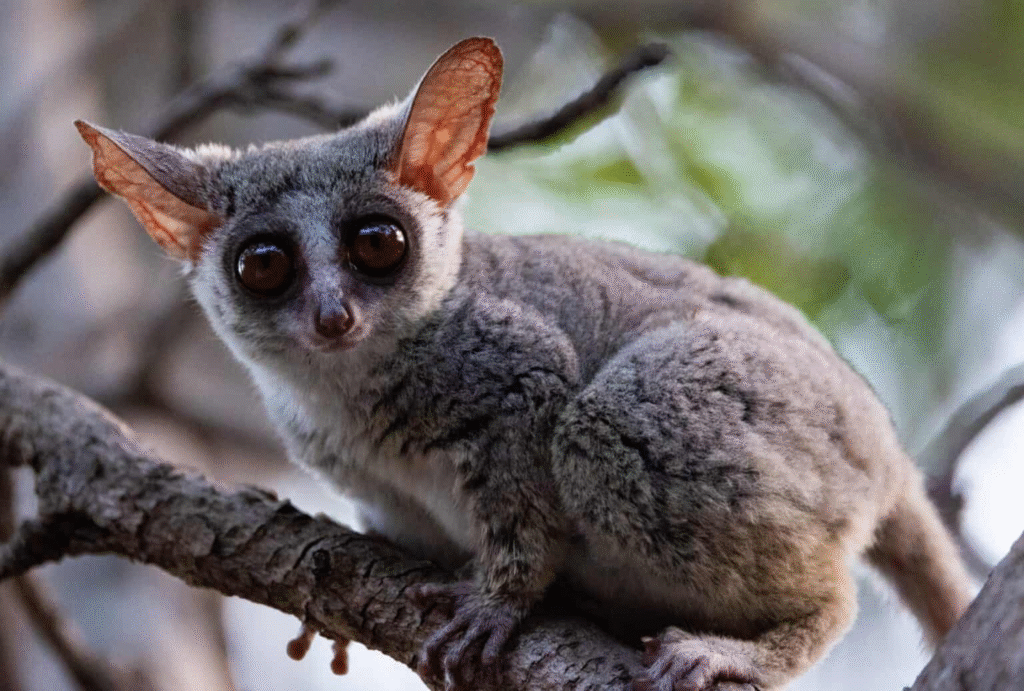
Bush baby
Insects & Butterflies in Tanzania
Tanzania is home to many colorful insects that bring the wilderness to life in surprising ways. Even the smallest creatures play an important role in the ecosystem, and noticing them adds a new layer of excitement and beauty to your safari experience.
Bright butterflies
Are everywhere, fluttering gracefully in the sunlight. Their colorful wings catch your attention as they move from flower to flower or rest delicately on leaves. Watching them dance in the breeze reminds you of the delicate and intricate beauty of nature.
Ants
Are small but incredibly organized. You may see long lines of ants marching across the ground, each carrying food back to their colony. Their teamwork and persistence are amazing to observe, showing how even tiny creatures contribute to the balance of the environment.
Dung beetles
Are another fascinating sight. These industrious insects roll balls of dung across the ground, using them for food or nesting. Seeing them work hard and navigate obstacles is both amusing and impressive. Dung beetles play an important role in keeping the land clean and fertilizing the soil for plants to grow.
Dragonflies
Are often found near water, shining in the sunlight with bright, metallic colors. They hover, dart, and glide with incredible precision, catching insect’s mid-air. Their movements are mesmerizing and add life and motion to rivers, lakes, and wetlands.
These tiny creatures may be easy to overlook, but they are part of the magic of Tanzania’s wilderness. Watching insects and butterflies up close gives a new perspective on the incredible variety of life, reminding you that even the smallest animals have an important story to tell in the safari ecosystem.
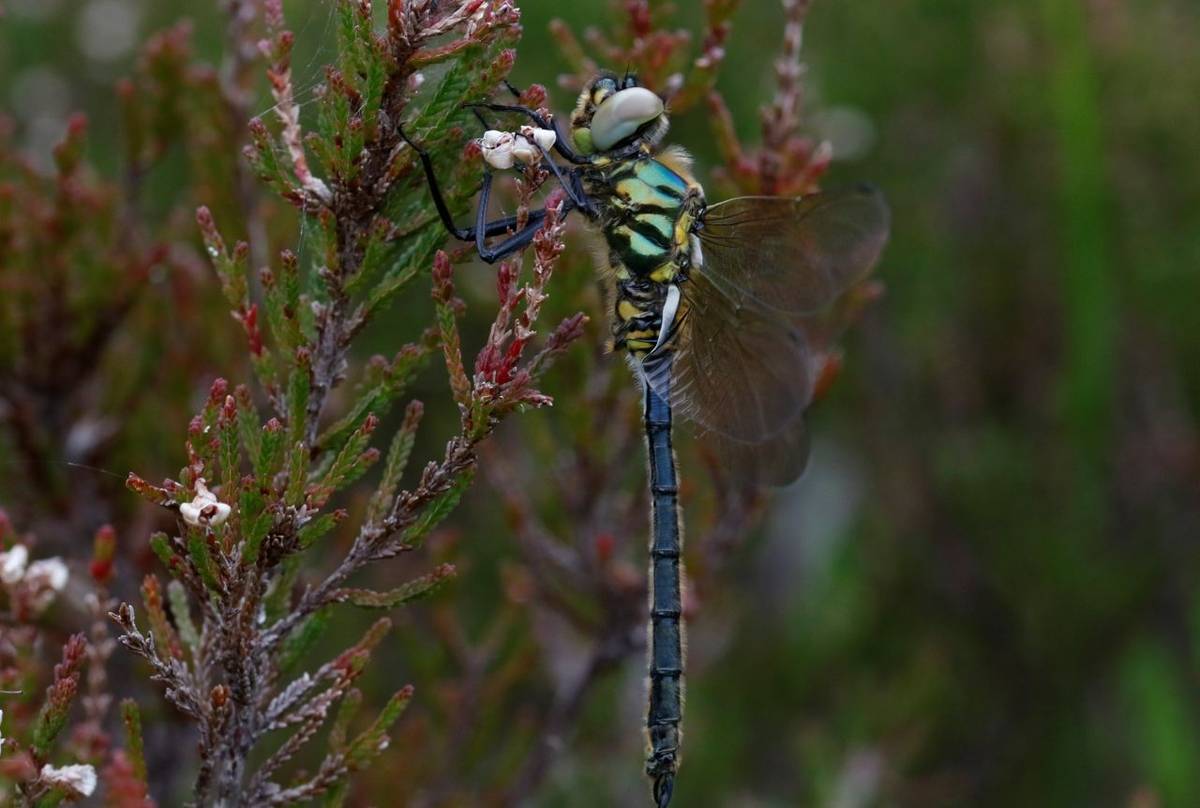
Dragonflies
Why Wildlife Thrives in Tanzania?
Tanzania is one of the world’s leaders in wildlife conservation, and this is a major reason why safaris here are so special. The country has a long history of protecting its natural habitats, and the government, local communities, and safari guides all work together to ensure that animals can live safely and thrive in the wild. This teamwork has created a balanced and healthy ecosystem, making Tanzania one of the best places in the world to see wildlife up close.
Protecting national parks is a top priority. The government maintains large protected areas such as Serengeti, Ngorongoro Crater, Tarangire, and Ruaha, ensuring animals have safe spaces to live, feed, and reproduce. Park authorities patrol daily, monitor animal populations, and enforce rules against hunting or habitat destruction. These efforts allow wildlife to behave naturally, giving visitors the chance to witness unforgettable moments in the wild.
Supporting anti-poaching teams is another critical part of conservation. Poaching has been a major threat to elephants, rhinos, and other species, but Tanzania has strong, well-trained anti-poaching units. Rangers patrol the parks, remove traps, and monitor for illegal hunting. They often work under challenging conditions to protect endangered animals, and their dedication has helped many species recover and thrive.
Educating local people is equally important. Communities living near wildlife areas are taught about the value of wildlife and the benefits of eco-tourism. Local education programs show how protecting animals can provide jobs and income through guiding, lodge operations, and tourism services. When communities understand the importance of conservation, they become partners in protecting wildlife rather than competing with it.
Keeping animal movement corridors open ensures that animals can move safely between parks, rivers, and feeding grounds. These natural pathways are especially important for migratory species like wildebeests and zebras. By maintaining open corridors, Tanzania allows animals to travel freely, access food and water, and reproduce naturally, supporting healthy populations across the country.
Thanks to this combination of government policies, community involvement, and dedicated safari guides, Tanzania has been able to maintain strong, diverse wildlife populations. From the Big Five to tiny reptiles and colorful birds, animals thrive in a safe and balanced environment. When you go on safari in Tanzania, you are not only witnessing the beauty of wildlife but also the success of a country committed to protecting its natural treasures. This careful conservation work makes every safari a truly special and memorable experience.
Best Parks for Animal Viewing
Serengeti National Park
Is one of the most iconic safari destinations in the world. It is famous for its vast open plains and the incredible wildlife that roams them. The Serengeti is especially known for lions and cheetahs, which can often be seen hunting or resting in the grass. This park is also the stage for the Great Migration, where millions of wildebeests, zebras, and gazelles travel across the plains in search of fresh grazing. Visiting the Serengeti gives you endless opportunities to see predators and prey interacting in their natural habitat, along with breathtaking sunsets over open savannahs.
Ngorongoro Crater
Is a natural wonder with a dramatic, sunken landscape full of wildlife. The crater is home to one of the few remaining black rhino populations in Tanzania, making it a must-see for those hoping to spot rare animals. In addition to rhinos, the crater hosts lions, elephants, zebras, hippos, and thousands of other species living together in a relatively small area. The scenic views from the crater rim are stunning, providing a perfect combination of wildlife and natural beauty in one location.
Tarangire National Park
Is famous for its enormous elephant herds and iconic baobab trees. The park has wide, peaceful landscapes that are ideal for observing wildlife at a relaxed pace. Elephants here are often seen roaming in large families, playing in mud pools, or feeding among the baobabs. Tarangire is also home to many antelope species, lions, leopards, and over 500 bird species, making it a fantastic destination for both animals and bird lovers.
Lake Manyara National Park
Offers a mix of forest, lake, and grassland environments, creating a unique safari experience. This park is known for its tree-climbing lions, which can sometimes be seen resting in acacia trees. Lake Manyara is also famous for large flocks of pink flamingos that turn the shallow waters into a stunning display of color. In addition, the park has lively monkey populations, hippos, elephants, and numerous bird species, offering a varied and colorful safari experience.
Ruaha National Park and Nyerere (Selous) Game Reserve
Provide a more remote and untouched wilderness experience. These areas are ideal for travelers looking to explore quiet landscapes with strong populations of predators like lions, leopards, and wild dogs. Large elephant herds roam freely, and river experiences allow close encounters with hippos, crocodiles, and water birds. Because these parks are less visited than others, they offer a sense of adventure and solitude, perfect for travelers seeking a more intimate connection with nature.
Why Tanzania Is the Best Place to See Wildlife
Tanzania is one of the world’s most remarkable safari destinations, offering a combination of natural beauty, abundant wildlife, and unforgettable experiences. Its national parks are vast and largely untouched, allowing animals to live freely in their natural habitats. From wide-open savannahs to dense forests and sparkling lakes, these protected areas provide the perfect environment for wildlife to thrive, giving visitors a true sense of being in the wild.The country is home to large and healthy populations of animals. Lions, elephants, giraffes, zebras, and rhinos roam the parks alongside smaller species like monkeys, antelopes, and colorful birds. Even reptiles, insects, and other small creatures add to the richness of life you can observe on a safari. Seeing these animals in large numbers makes each game drive exciting and full of surprises, as there is always something new to discover around every corner.
Tanzania’s varied landscapes allow for year-round wildlife viewing. Different ecosystems across the country attract animals during different seasons, so no matter when you visit, there is always a chance to witness incredible wildlife moments. Whether its hippos wallowing in a lake, elephants grazing among baobab trees, or predators hunting on the open plains, Tanzania offers a dynamic and constantly changing safari experience.One of Tanzania’s most famous wildlife events is the Great Migration, where millions of wildebeests, zebras, and gazelles move across the Serengeti in search of fresh grazing. This extraordinary natural spectacle is thrilling to witness, with dramatic river crossings, predators in action, and endless herds stretching as far as the eye can see. It is a once-in-a-lifetime opportunity for travelers to witness nature’s rhythm on a grand scale.
Professional safari guides in Tanzania make every experience meaningful. They are highly trained and knowledgeable, helping visitors spot wildlife that might otherwise go unnoticed. Guides also explain animal behavior, ecosystems, and the importance of conservation, enriching every game drive. Their expertise ensures that each safari is safe, educational, and memorable, creating a deeper connection to the natural world.
Every day in Tanzania brings something new and magical. You might see a powerful elephant walking slowly across the plains, a lion casually strolling across the road, or a giraffe silhouetted against a golden sunset. The parks are peaceful, well-protected, and full of life, giving you the perfect setting to connect with nature. Every moment in the wild is a reminder of the beauty, power, and wonder of Tanzania’s extraordinary wildlife.
A Tanzania safari is more than just seeing animals it’s feeling connected to nature, discovering new landscapes, and experiencing moments you will remember forever. Whether its lions roaring in the distance, elephants crossing the road, or giraffes walking gracefully at sunset, every day brings something magical.Whenever you’re ready, Tanzania is waiting to welcome you with open skies, wild beauty, and the adventure of a lifetime.