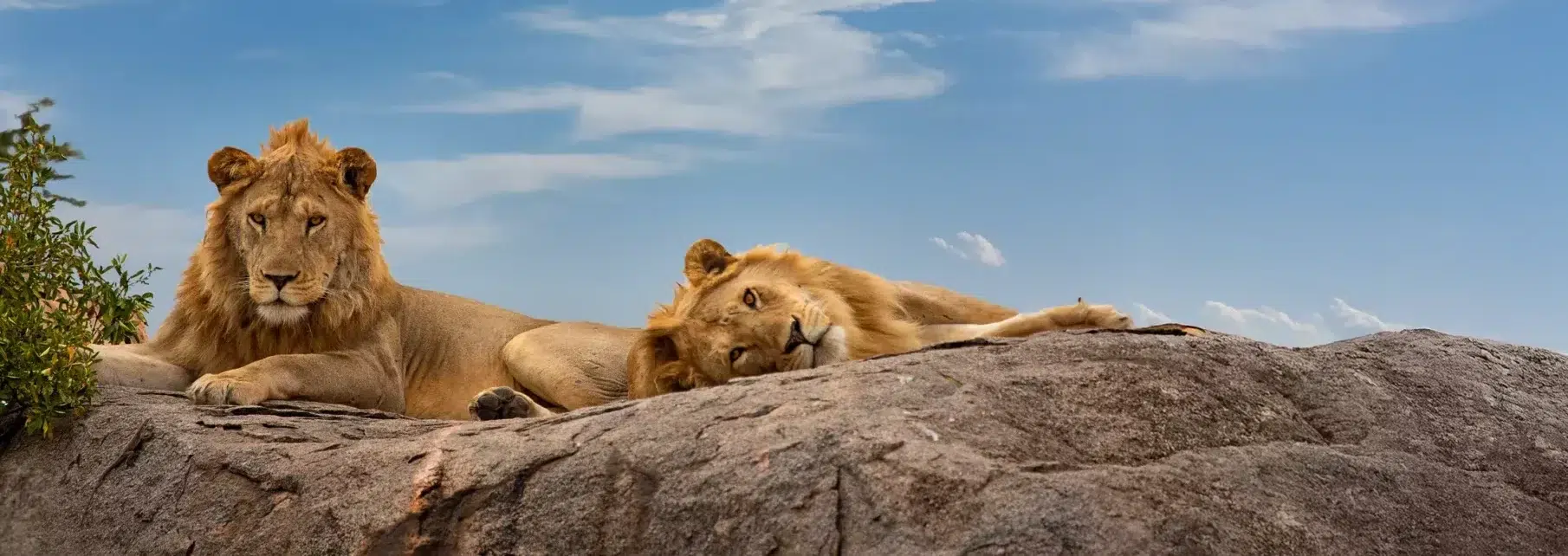
African Wildlife Safaris in Tanzania – Best Places to Visit & Tours 2027/2028
Introduction: African Wildlife Safaris in Tanzania 2027/2028
Tanzania is one of the best destinations in Africa for wildlife safaris. The country is home to famous national parks, beautiful open savannahs, large elephant herds, lions, leopards, giraffes, zebras, buffaloes, and many other wild animals. From the endless plains of Serengeti National Park to the wildlife-filled Ngorongoro Crater and the beautiful landscapes of Tarangire, every destination offers a different safari experience. If you are planning an African wildlife safari in Tanzania for 2027 or 2028, you have many places to choose from. You can enjoy the Great Wildebeest Migration in Serengeti, look for the Big Five in Ngorongoro Crater, watch elephants in Tarangire, or explore the quieter wilderness of Ruaha and Nyerere National Parks. At Rede Tours and Safaris, we organize private and group wildlife safaris for travellers who want to explore Tanzania comfortably with experienced local guides. We arrange safaris from 2 days to 10 days or longer, depending on your available time, preferred destinations, and budget.
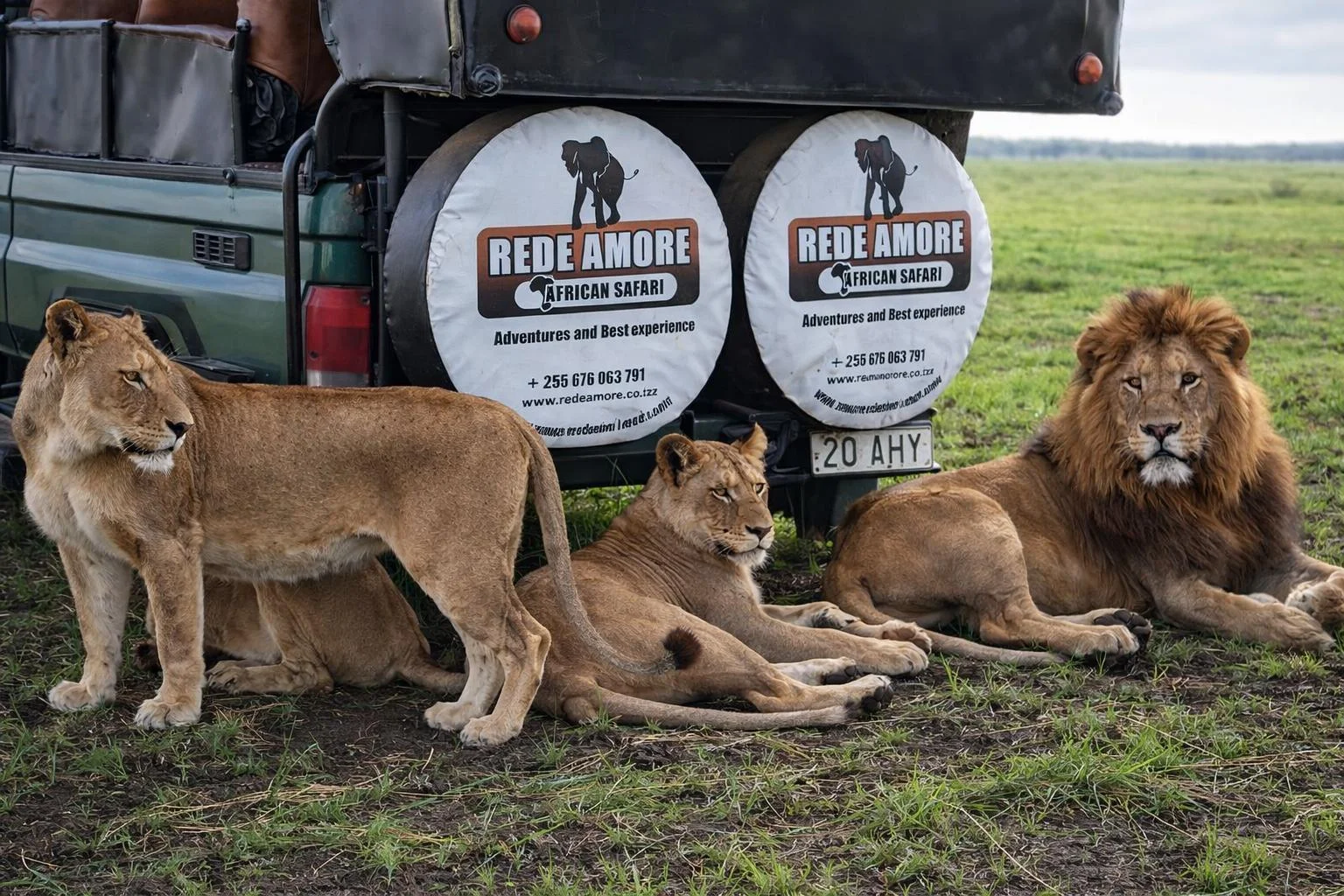
Whether you are visiting Tanzania for the first time, travelling with family, planning a honeymoon, or looking for a special wildlife photography experience, we can help you choose the right safari.
Why Choose Tanzania for an African Wildlife Safari in 2027/2028?
Tanzania offers some of the most memorable wildlife experiences in Africa. One of the reasons travellers choose Tanzania is the variety of wildlife destinations that can be combined in one trip. You can explore several national parks, experience different landscapes, and see many animals without visiting the same type of environment every day.
Home to the Big Five
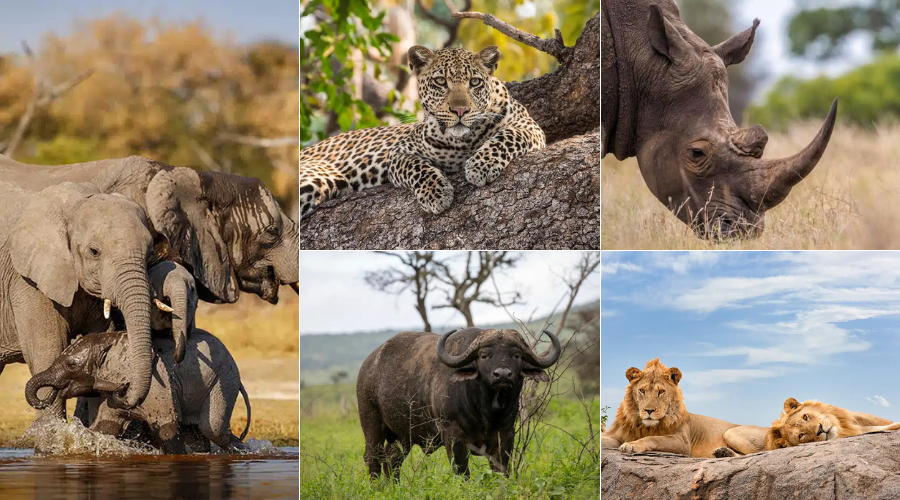
Tanzania is one of the best countries for looking for the African Big Five: lions, elephants, leopards, buffaloes, and rhinoceroses. Serengeti National Park is famous for its lions and leopards, while Ngorongoro Crater offers excellent opportunities to look for all five animals, including the endangered black rhino. Tarangire is well known for elephants, and other parks also provide opportunities to see different members of the Big Five. With an experienced safari guide, you can explore areas where animals are commonly found and learn more about their behaviour.
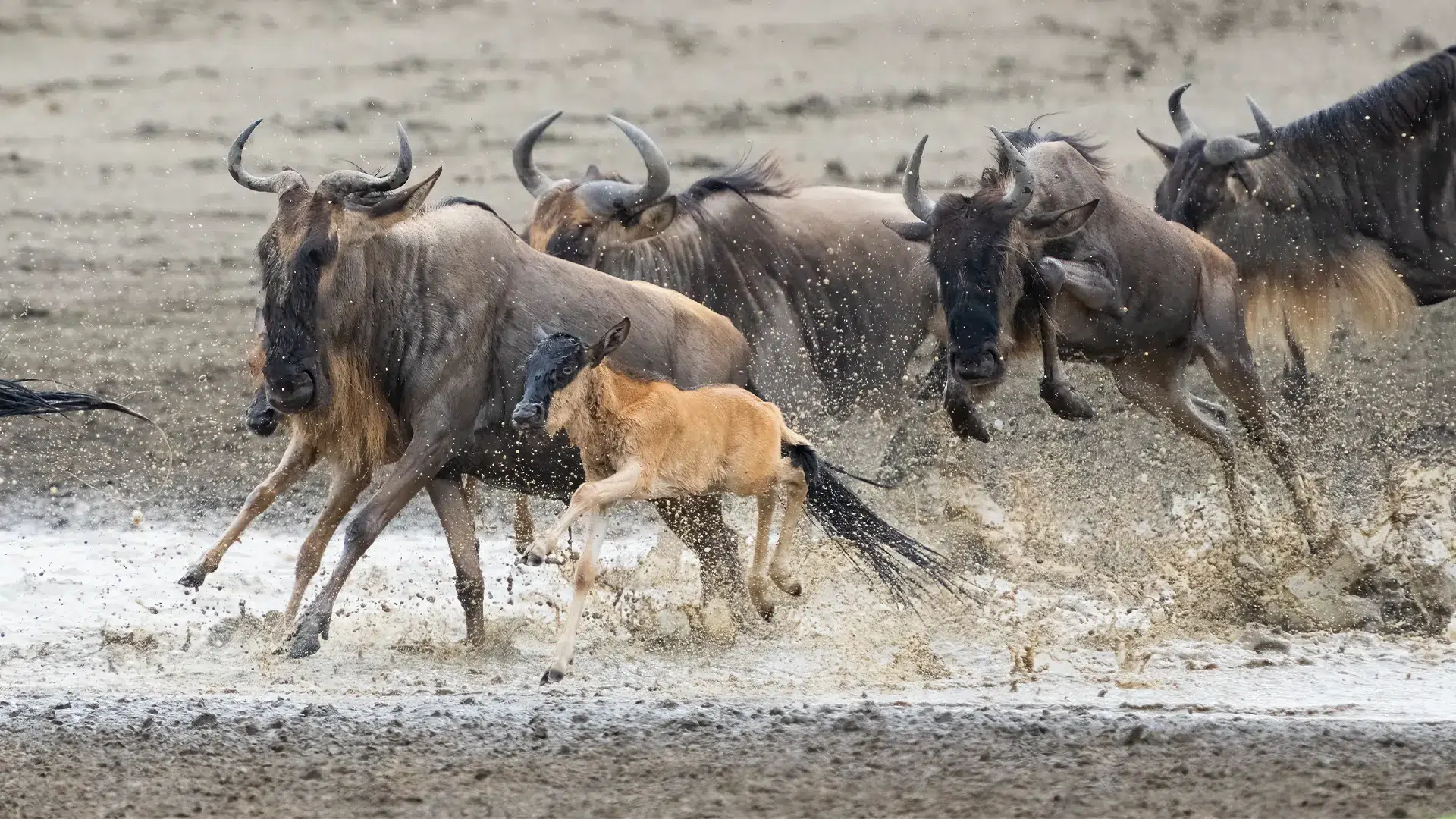
Experience the Great Wildebeest Migration
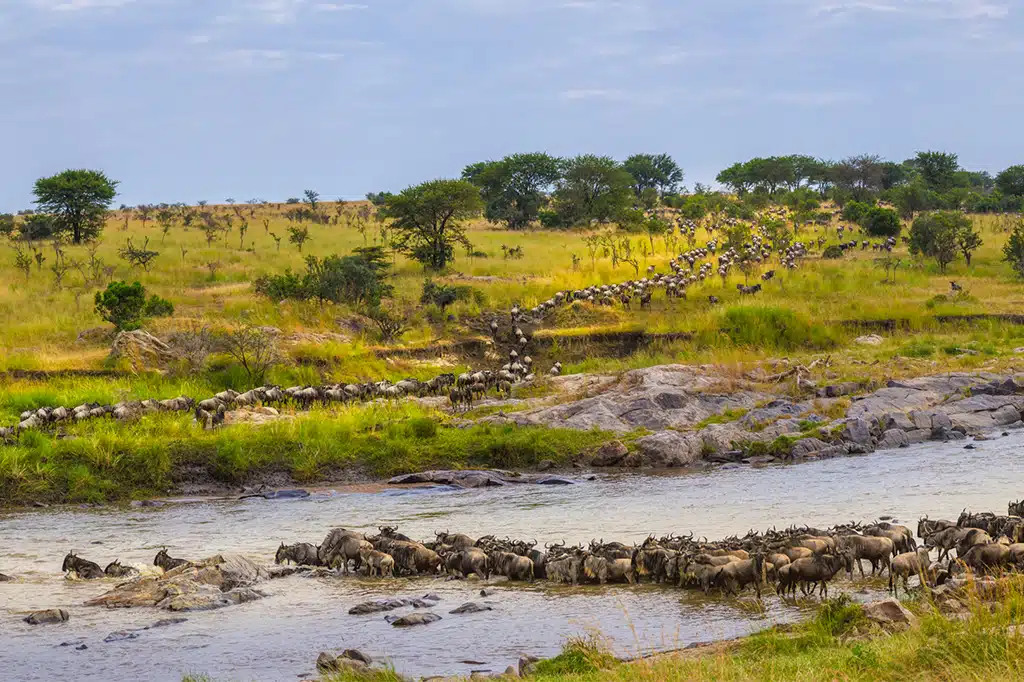
The Great Wildebeest Migration is one of Africa's most famous wildlife events. Every year, large herds of wildebeest, zebras, and gazelles move through the Serengeti ecosystem in search of fresh grass and water. During certain months, you can see large herds gathering around rivers, crossing open plains, and moving between different grazing areas. Some of the most exciting moments happen when wildebeest cross the Mara River in northern Serengeti or the Grumeti River in the western part of the ecosystem. The migration moves throughout the year, so choosing the right area and travel dates is important.
Different Wildlife Experiences in One Country
Tanzania is not only about the Serengeti. Each national park has something different to offer. You can enjoy traditional game drives, boat safaris, walking safaris in selected areas, birdwatching, and chimpanzee trekking in western Tanzania. This variety makes Tanzania suitable for short wildlife holidays as well as longer African safari adventures.
Private and Group Safari Options
You can explore Tanzania through a private safari with your own vehicle and guide or join a group safari with other travellers.
A private safari gives you more flexibility over your game drives, travel schedule, and accommodation choices. Group safaris are a good option if you want to share costs and meet other travellers. With us, you can choose an arrangement that matches your budget and preferred way of travelling.
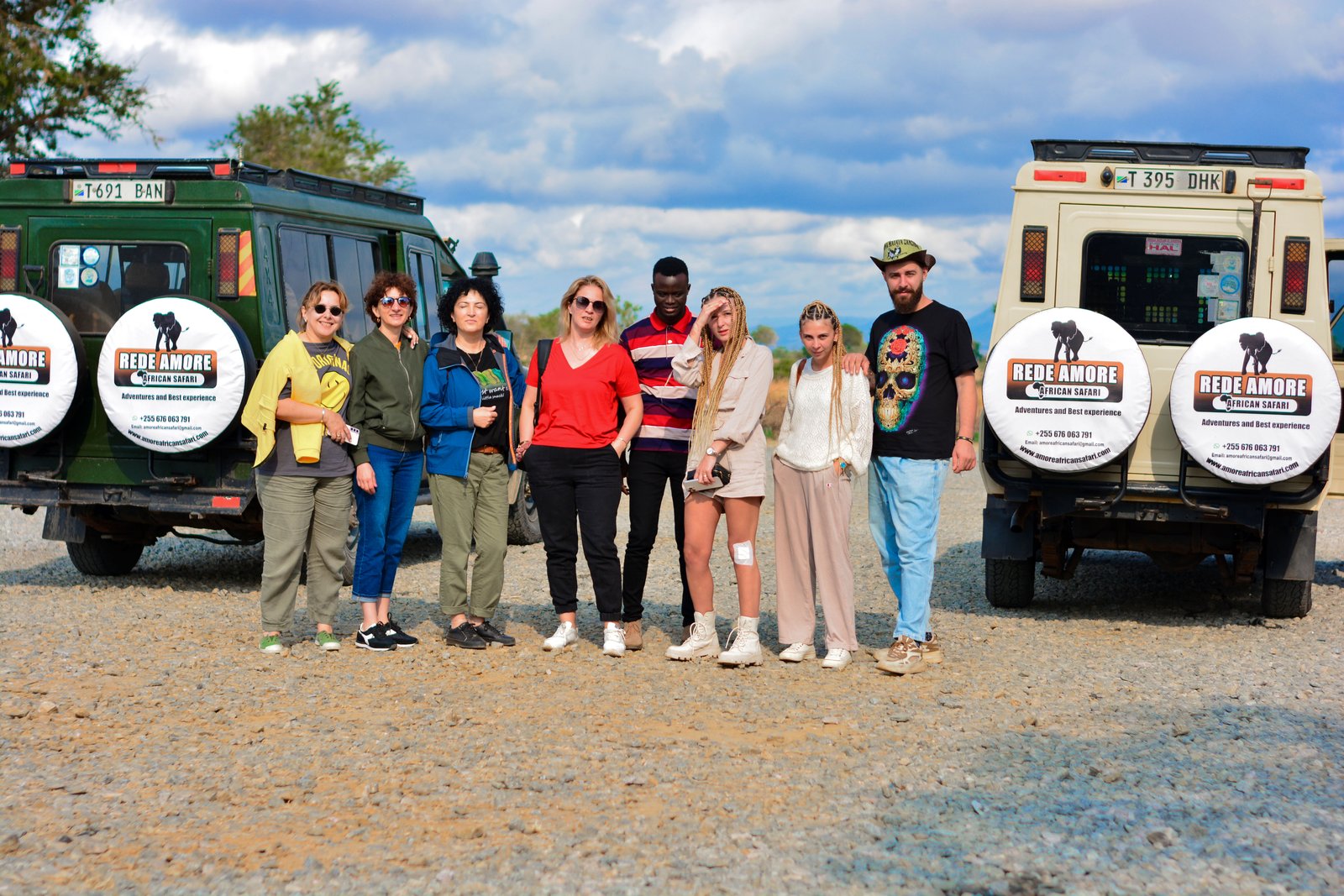
Best Places to Visit for African Wildlife Safaris in Tanzania 2027/2028
Tanzania has many wildlife destinations, but some parks are especially popular because of their animal populations, landscapes, and safari experiences. Below are some of the best places to include in your 2027/2028 safari.
1. Serengeti National Park – Best for the Great Wildebeest Migration
Serengeti National Park is one of the most famous wildlife destinations in Africa. It is known for its endless grasslands, large wildlife populations, and the Great Wildebeest Migration. During your safari, you may see lions resting in the grass, cheetahs hunting across the plains, elephants moving between trees, and large groups of zebras and wildebeest. Leopards can also be found in areas with trees and riverbanks. Serengeti is divided into different areas, and each one offers different wildlife experiences.
- Central Serengeti: Known for resident lions, leopards, cheetahs, and year-round wildlife viewing.
- Northern Serengeti: Popular during the migration season, especially when herds move towards the Mara River.
- Western Serengeti: Known for the Grumeti River and seasonal migration activity.
- Southern Serengeti and Ndutu: Important grazing and calving areas during the early months of the year.
If you want to experience the Great Migration, we recommend planning your safari according to the expected movement of the herds rather than choosing dates based only on the general migration season.
2. Ngorongoro Crater – Best for Big Five Wildlife Viewing
Ngorongoro Crater is one of the most special wildlife destinations in Tanzania. It is a large volcanic caldera with a wildlife-rich floor surrounded by high crater walls. The crater is home to lions, elephants, buffaloes, zebras, wildebeest, hippos, hyenas, and other animals. It is also one of the places where you have a good opportunity to look for the endangered black rhinoceros. A typical safari includes descending into the crater for a game drive, exploring different wildlife areas, and enjoying a picnic lunch at an approved site. Ngorongoro is suitable for travellers who want to experience a lot of wildlife in a relatively short time. It is also easy to combine with Serengeti and Tarangire in a northern Tanzania safari.
3. Tarangire National Park – Best for Elephants and Baobab Trees
Tarangire National Park is famous for its large elephant herds and beautiful baobab trees. The park has open grasslands, seasonal swamps, river valleys, and woodland areas that create a home for different wildlife species. During your game drive, you may see elephants walking close to your safari vehicle, giraffes feeding on trees, zebras grazing in open areas, and lions resting in the shade. The Tarangire River is an important water source, especially during the dry season from June to October. During this period, animals from surrounding areas gather around the river, making wildlife viewing particularly rewarding. Tarangire is a good destination for a short safari or as part of a longer trip to Serengeti and Ngorongoro.
4. Lake Manyara National Park – Best for Birdlife and Tree-Climbing Lions
Lake Manyara National Park is located along the Great Rift Valley and offers a different landscape from the open plains of Serengeti. The park has groundwater forests, open grasslands, woodland, and a shallow alkaline lake that attracts different bird species. Depending on the season, you may see flamingos, pelicans, storks, and many other waterbirds. Lake Manyara is also known for its tree-climbing lions, although sightings are not guaranteed. Other animals include elephants, giraffes, zebras, baboons, hippos, and different antelope species. It is a good destination for a short wildlife safari, birdwatching, and travellers who want to explore different landscapes in northern Tanzania.
5. Nyerere National Park – Best for Boat Safaris and Southern Tanzania Wildlife
Nyerere National Park, formerly part of the Selous Game Reserve, is one of the major wildlife destinations in southern Tanzania. The park is known for its large wilderness areas, the Rufiji River, elephants, lions, buffaloes, hippos, crocodiles, and African wild dogs. Unlike the traditional northern circuit, Nyerere offers opportunities to experience wildlife from different viewpoints. Depending on the area and arrangements, you can enjoy boat safaris, selected walking safaris, and traditional game drives. A boat safari along the Rufiji River is a special experience because you can observe hippos, crocodiles, birds, and other animals from the water. Nyerere is an excellent option for travellers starting their safari from Dar es Salaam or Zanzibar.
6. Ruaha National Park – Best for Remote Wildlife Safaris
Ruaha National Park is a beautiful destination for travellers who want to explore a quieter part of Tanzania. It is known for its large wilderness areas, elephants, lions, leopards, buffaloes, and diverse birdlife. The Great Ruaha River and other seasonal water sources attract wildlife, especially during the dry season. You may see large groups of elephants, lions resting in the shade, and different antelope species across the landscape. Ruaha is suitable for travellers who have more time and want to experience a less crowded safari environment. It can be combined with Nyerere National Park or visited through a fly-in safari from Dar es Salaam or Zanzibar.
7. Mikumi National Park – Best for Short Safaris from Dar es Salaam
Mikumi National Park is one of the most accessible wildlife destinations in southern Tanzania. It is a popular choice for visitors staying in Dar es Salaam who want to experience an African wildlife safari without travelling to the northern circuit. The park has open grasslands, woodland, and floodplains where you can see elephants, giraffes, zebras, wildebeest, buffaloes, lions, and different antelope species. The Mkata Floodplain is one of the well-known wildlife-viewing areas in the park. Mikumi is suitable for one-day and two-day safaris, as well as longer trips that can be combined with other southern Tanzania destinations.
8. Arusha National Park – Best for Walking Safaris and Beautiful Landscapes
Arusha National Park is a good choice for travellers who want a wildlife experience close to Arusha town. Although it is smaller than Serengeti and other major safari destinations, it offers beautiful scenery and different activities. The park has Mount Meru, Ngurdoto Crater, Momella Lakes, forests, and open grasslands. Wildlife includes giraffes, buffaloes, zebras, warthogs, and different monkey species. One of its special experiences is a guided walking safari, which allows you to explore the natural environment on foot with an authorized ranger. Arusha National Park is suitable for a day trip or as an addition to a longer northern Tanzania safari.
Best Time for African Wildlife Safaris in Tanzania 2027/2028
Tanzania offers wildlife safaris throughout the year, but the best time depends on the destination and what you want to see.
June to October – Dry Season
June to October is generally one of the best periods for wildlife viewing in many Tanzanian parks. There is less rainfall, vegetation becomes thinner in many areas, and animals often gather around available water sources. This is a good period for visiting Tarangire, Serengeti, Ngorongoro, Ruaha, and Nyerere. It is also an important period for Great Migration viewing in parts of Serengeti, particularly the western and northern areas, depending on herd movements. Because this is a popular travel period, accommodation in well-known wildlife areas can fill up early.
November to December – Short Rains and Green Landscapes
November and December can offer beautiful green landscapes after the short rains. Wildlife viewing remains possible, and the changing scenery can make photography especially attractive. In the Serengeti ecosystem, some herds begin moving towards the southern plains as grazing conditions change. These months can be a good choice for travellers who want to explore Tanzania outside the busiest dry-season period. Rainfall varies, so it is important to remain flexible with game-drive plans.
January to March – Calving Season in Southern Serengeti
January to March is an exciting time to visit southern Serengeti and the Ndutu area because many wildebeest give birth during this period. Large numbers of newborn wildebeest attract predators such as lions, cheetahs, and hyenas. This creates excellent opportunities for wildlife viewing and photography. If you want to experience the calving season, we recommend including southern Serengeti or Ndutu in your itinerary rather than choosing central Serengeti alone.
April to May – Green Season
April and May are generally the main rainy months in many parts of Tanzania. The landscapes become green, and some areas have fewer visitors. This period can be suitable for travellers looking for a quieter safari and better-value accommodation options, although some remote camps may close temporarily and road conditions can be challenging.
The best destinations and accommodation should be selected according to the rainfall patterns and travel arrangements.
Best African Wildlife Safari Tours in Tanzania 2027/2028
Tanzania offers different safari packages depending on how much time you have and which wildlife destinations you want to visit. At Rede Tours and Safaris, we arrange private and group safari tours with different accommodation levels, from budget to luxury.
2 Days Tanzania Wildlife Safari
A 2-day safari is suitable for travellers with limited time who still want to experience Tanzania's wildlife. Depending on your starting location, you can visit destinations such as Tarangire and Ngorongoro or Mikumi National Park from Dar es Salaam. You will enjoy game drives with an experienced guide and have opportunities to see elephants, lions, giraffes, zebras, buffaloes, and other wildlife.
3 Days Tanzania Wildlife Safari
A 3-day safari allows you to explore more than one wildlife destination without taking a long holiday. A popular northern Tanzania combination includes Tarangire, Lake Manyara, and Ngorongoro Crater. You can enjoy different landscapes, look for the Big Five, and experience several game drives during your trip.
4 Days Tanzania Wildlife Safari
A 4-day safari is a good choice for travellers who want more time in the northern circuit. You can combine Tarangire, Serengeti, and Ngorongoro Crater, depending on your preferred route and accommodation. This duration allows you to spend more time exploring wildlife areas instead of rushing between destinations.
5 Days Tanzania Wildlife Safari
A 5-day safari gives you a good opportunity to explore some of Tanzania's most famous parks. A popular itinerary includes Tarangire, Serengeti, and Ngorongoro Crater. You can enjoy more game drives in Serengeti, look for the Big Five in Ngorongoro, and experience the elephant-rich landscapes of Tarangire.
6 to 8 Days Tanzania Wildlife Safari
If you have more time, a 6–8-day safari allows you to explore the northern circuit at a more relaxed pace. You can include Tarangire, Lake Manyara, Serengeti, and Ngorongoro Crater. You may also spend additional nights in Serengeti to improve your opportunities for wildlife viewing and explore different parts of the park.
Luxury African Wildlife Safari in Tanzania
A luxury safari is suitable for travellers who want more comfort, private game drives, beautiful accommodation, and personalized service. Depending on your itinerary, you can stay in luxury lodges or tented camps in Serengeti, Ngorongoro, Tarangire, or other wildlife destinations. Some packages may include domestic flights, private transfers, special dining experiences, and optional hot-air balloon safaris.
Private African Wildlife Safari in Tanzania
A private safari gives you your own 4x4 safari vehicle and professional guide for your travel party. You can enjoy more flexibility with your schedule, spend more time at wildlife sightings, and choose accommodation according to your budget. Private safaris are suitable for couples, families, friends, photographers, and travellers who prefer to explore at their own pace.
Group African Wildlife Safari in Tanzania
Group safaris allow you to share the safari vehicle and some travel costs with other visitors. This can make the trip more affordable, especially for solo travellers and couples. Group departure dates, group sizes, accommodation arrangements, and available seats should be confirmed before booking.
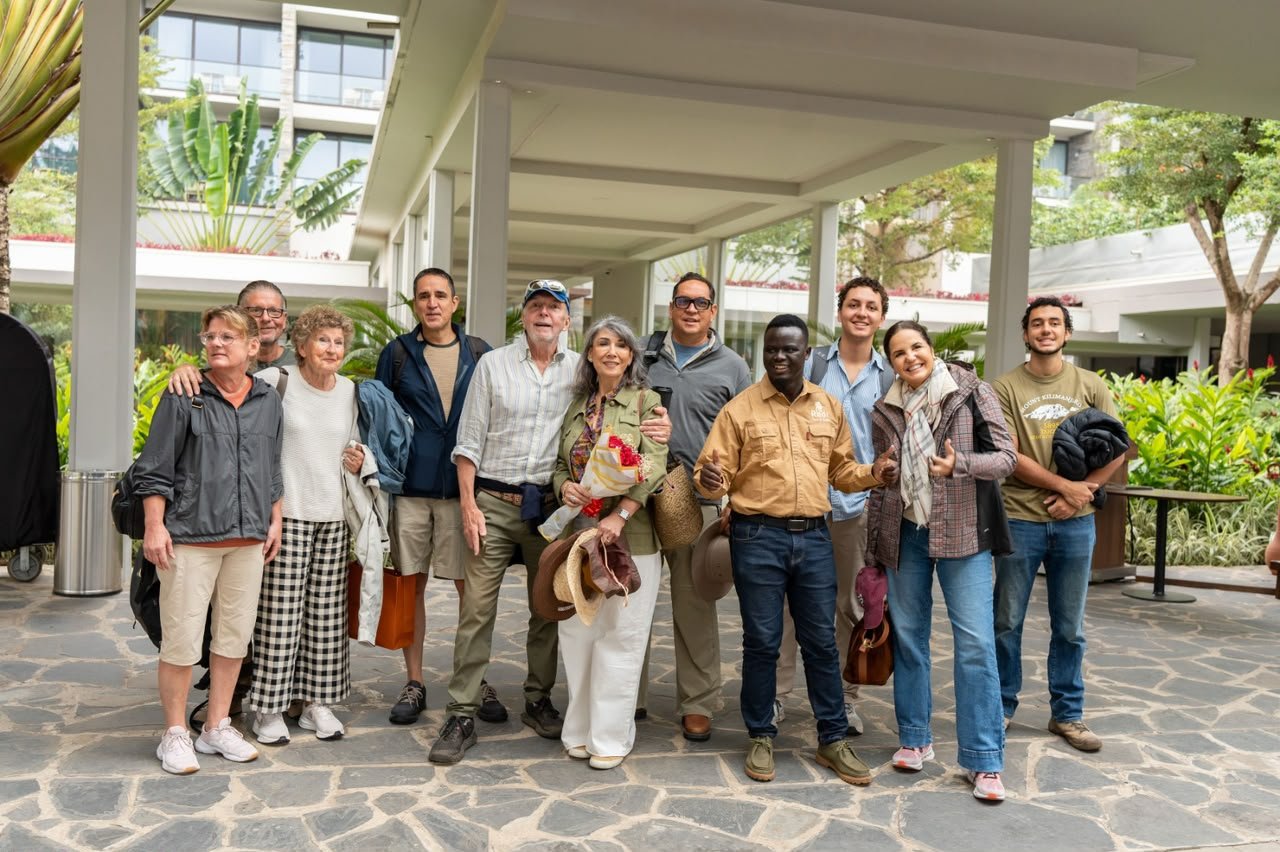
Sample of Our 5-Day African Wildlife Safari Itinerary in Tanzania Highlights:
Here is an example of a 5-day northern Tanzania wildlife safari covering Tarangire, Serengeti, and Ngorongoro Crater.
- Day 1: Arusha to Tarangire National Park
- Day 2: Tarangire to Serengeti National Park
- Day 3: Full-Day Game Drive in Serengeti National Park
- Day 4: Serengeti to Ngorongoro Conservation Area
- Day 5: Ngorongoro Crater Game Drive and Return to Arusha
This is an example itinerary. The final route and accommodation can be adjusted depending on your arrival time, budget, and preferred wildlife destinations.
Where to Stay During Your Tanzania Wildlife Safari 2027/2028
Choosing the right accommodation is important because you will spend your evenings relaxing after game drives. Tanzania has different accommodation options, from simple campsites to comfortable lodges and exclusive luxury tented camps.
Budget Safari Accommodation
Budget accommodation is suitable for travellers who want to enjoy wildlife viewing while keeping their travel costs manageable. Options may include public campsites, basic tented camps, and simple lodges. Facilities vary, but you can expect basic sleeping arrangements and meals depending on the selected property.
Mid-Range Safari Accommodation
Mid-range lodges and tented camps provide comfortable rooms or tents, private bathrooms, hot showers, restaurant services, and other useful facilities. This option is suitable for couples, families, and travellers who want a comfortable safari without paying for the most expensive accommodation.
Luxury Safari Accommodation
Luxury accommodation offers spacious rooms or tented suites, personalized services, quality dining, and beautiful views of the surrounding wilderness. Depending on the property, facilities may include swimming pools, private verandas, spas, and special dining arrangements. The best accommodation depends on your preferred park, budget, travel dates, and the type of safari you want.
What Is Included in a Tanzania Wildlife Safari Package?
Safari packages differ depending on the number of days, accommodation, destinations, and transport arrangements. Before booking, make sure you understand what is covered by your quotation.
Common Safari Inclusions
Depending on your selected package, inclusions may cover:
- Transport in a 4x4 safari Land Cruiser with a pop-up roof.
- Professional English-speaking safari guide.
- National Park and conservation area fees.
- Accommodation during the safari.
- Meals as stated in the itinerary.
- Game drives in the selected national parks.
- Drinking water during game drives.
- Airport transfers where specified.
- Government taxes and applicable charges included in the quotation.
Common Safari Exclusions
Some services may require additional payment, including:
- International flights.
- Domestic flights unless included.
- Visa fees where applicable.
- Travel insurance.
- Tips for guides and camp staff.
- Alcoholic and premium drinks.
- Balloon safaris and other optional activities.
- Personal purchases and laundry.
- Extra accommodation outside the agreed itinerary.
At Rede Tours and Safaris, we explain the inclusions and exclusions before confirming your trip so you can plan your budget properly.
How to Get to Tanzania for an African Wildlife Safari
Tanzania has several international airports and safari starting points. Your arrival airport depends on the national parks you want to visit.
Kilimanjaro International Airport (JRO)
Kilimanjaro International Airport is a common arrival point for travellers visiting the northern safari circuit. From here, you can connect to Arusha and continue to Tarangire, Lake Manyara, Ngorongoro, and Serengeti.
Julius Nyerere International Airport (DAR)
Dar es Salaam is a convenient starting point for southern Tanzania safaris. Travellers can arrange road transfers to Mikumi or use domestic flights to reach more distant destinations such as Nyerere and Ruaha, depending on flight schedules.
Zanzibar International Airport (ZNZ)
If you are already enjoying your holiday in Zanzibar, you can arrange a safari by domestic flight to selected wildlife destinations, including Serengeti and Nyerere, depending on available connections. A safari from Zanzibar is a good option for travellers who want to combine beach holidays with African wildlife experiences.
What to Pack for an African Wildlife Safari in Tanzania
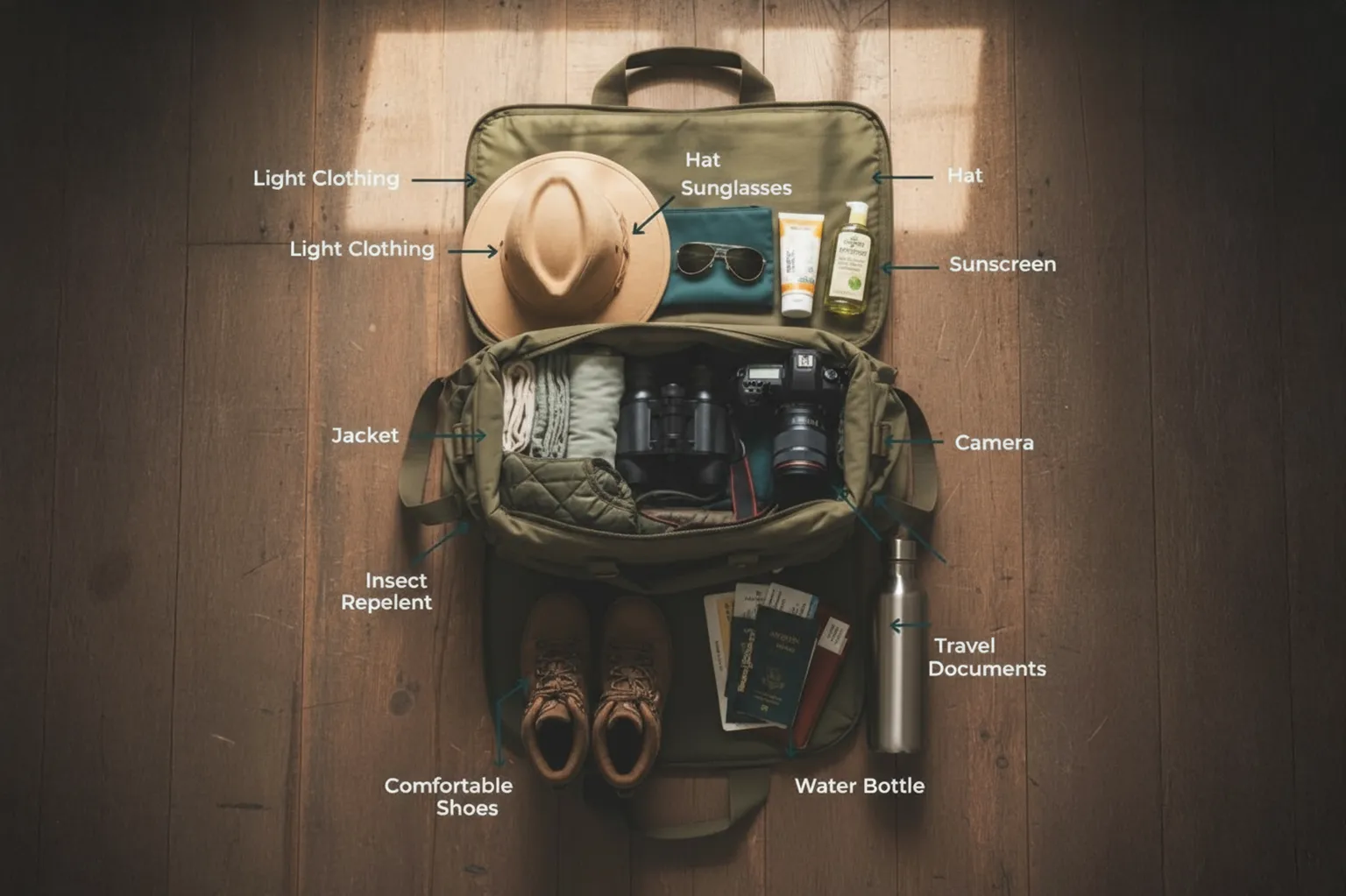
For your Tanzania safari, bring comfortable clothes in neutral colours, a light jacket for early morning game drives, comfortable shoes, a hat, sunglasses, sunscreen, insect repellent, and personal toiletries. A camera, binoculars, spare batteries, and a power bank are useful for wildlife viewing and photography. If you are travelling during the rainy season, pack a lightweight rain jacket. Remember to check luggage restrictions if your safari includes domestic flights, especially small aircraft.
Why Travel with Rede Tours and Safaris?
Choosing the right safari company can make a big difference to your wildlife experience. At Rede Tours and Safaris, we focus on organizing well-planned safaris with reliable transport, experienced local guides, and suitable accommodation. Here is what you can expect when travelling with us:
- Experienced local safari guides: Our guides understand Tanzania's wildlife destinations and help you explore the parks while sharing information about animals, nature, and local culture.
- Well-maintained 4x4 safari vehicles: We use safari Land Cruisers with pop-up roofs for comfortable game viewing and photography.
- Private and group safaris: You can choose a private trip or ask about available group departures.
- Flexible safari packages: We arrange trips from short wildlife experiences to longer safaris, with budget, mid-range, and luxury accommodation.
- Clear prices: We explain what is included and excluded so you understand the cost before booking.
- Local safari knowledge: We help select destinations according to the season, wildlife interests, and time available.
- Travel support: Our team assists with safari planning, transfers, accommodation arrangements, and support during your agreed trip.
As a locally based Tanzania safari company, we want you to enjoy the country beyond simply visiting national parks. We want you to experience the wildlife, landscapes, and hospitality that make Tanzania special.
Frequently Asked Questions About African Wildlife Safaris in Tanzania 2027/2028
1. Is Tanzania safe for African wildlife safaris?
Yes, Tanzania is generally a safe destination for organized wildlife safaris. Travelling with an experienced guide helps you follow park rules, maintain a safe distance from wild animals, and enjoy game drives comfortably. Always follow your guide's instructions, especially when watching predators or large animals.
2. Can I visit several national parks in one Tanzania safari?
Yes, you can visit several national parks during one safari. Many travellers combine Tarangire, Serengeti, and Ngorongoro in a single itinerary. If you have more time, you can also include Lake Manyara or explore southern Tanzania. The best combination depends on your travel dates and available days.
3. Are Tanzania wildlife safaris suitable for children?
Yes, families with children can enjoy wildlife safaris in Tanzania. Many lodges and camps welcome families and offer suitable accommodation. However, some properties and activities have minimum age requirements. We recommend choosing shorter driving days and family-friendly accommodation to make the safari comfortable for everyone.
4. What is the difference between a safari in Northern and Southern Tanzania?
Northern Tanzania is famous for Serengeti, Ngorongoro, Tarangire, and Lake Manyara, with excellent wildlife viewing and the Great Migration. Southern Tanzania offers destinations such as Nyerere and Ruaha, known for large wilderness areas, boat safaris in selected locations, and fewer visitors in many areas.
5. Can I enjoy a Tanzania wildlife safari without spending the whole day in a safari vehicle?
Yes, depending on the national park and your itinerary. Some destinations offer additional activities such as guided walking safaris, boat safaris, and cultural visits. These experiences allow you to explore nature differently. Activities depend on park regulations, location, and availability, so they should be arranged in advance.
6. Do I need travel insurance for an African wildlife safari in Tanzania?
Travel insurance is strongly recommended before travelling to Tanzania. Choose a policy that covers medical emergencies, trip cancellations, lost luggage, and unexpected travel delays. If your itinerary includes adventure activities or remote safari areas, check that your insurance covers those activities and emergency evacuation where necessary.
7. Can I celebrate a honeymoon or special occasion during a Tanzania wildlife safari?
Yes, Tanzania is a wonderful destination for honeymoons, anniversaries, birthdays, and other special occasions. You can arrange private game drives, romantic lodge stays, bush dinners, and special accommodation experiences. Let us know your celebration plans when booking so we can help organize suitable arrangements.
8. Can I combine a Tanzania safari with a Zanzibar beach holiday?
Yes. You can enjoy wildlife viewing in Serengeti, Ngorongoro, Tarangire, or other parks before flying to Zanzibar for beach relaxation, Stone Town visits, snorkeling, diving, and other marine activities. We can arrange a safari and beach holiday together, with flights and accommodation planned to make your journey comfortable.
9. Can I combine a Tanzania safari with Mount Kilimanjaro hiking?
Yes. You can combine a wildlife safari with a Mount Kilimanjaro climb in one holiday. You may start with a safari in parks such as Serengeti, Ngorongoro, or Tarangire before heading to the mountain. We can help you choose a suitable climbing route, number of days, and safari itinerary based on your travel time and fitness.
10. What activities can I enjoy in Tanzania besides wildlife safaris?
Tanzania offers many activities beyond game drives. You can visit Maasai communities, explore Stone Town, enjoy snorkeling and diving in Zanzibar, take a boat trip, go on a walking safari where permitted, or experience local culture and food. You can also enjoy day trips around Moshi and Arusha, including waterfalls, coffee tours, and nature walks.
11. Can I visit a Maasai village during my Tanzania safari?
Yes. You can include a visit to a Maasai community in your safari itinerary to learn about traditional homes, daily life, local customs, and cultural practices. These visits offer a chance to meet community members and understand more about their way of life. We can help arrange a respectful visit as part of your trip.
12. Can I enjoy hiking and nature walks in Tanzania without climbing Mount Kilimanjaro?
Yes. Tanzania has several options for shorter hikes and nature walks. You can explore the foothills of Mount Kilimanjaro, visit waterfalls around Materuni, or enjoy guided walks in selected nature areas and parks. These activities are suitable for travellers who want to experience Tanzania's landscapes without taking on a full mountain climb.
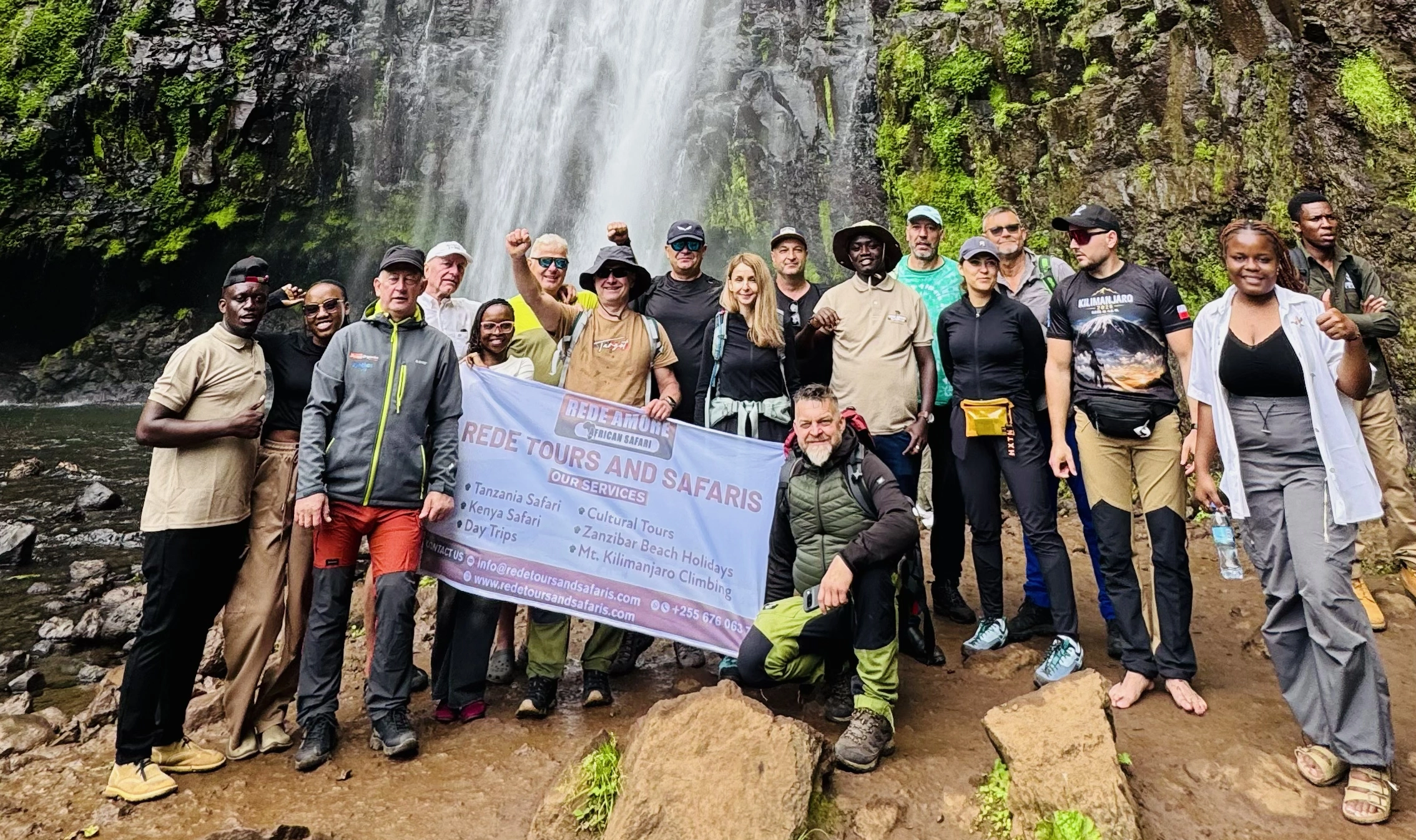
Tanzania is waiting to give you an unforgettable wildlife experience. Whether you want to see the Great Wildebeest Migration in Serengeti, explore Ngorongoro Crater, watch elephants in Tarangire, or discover the quieter wilderness of southern Tanzania, there is a safari experience for you. At Rede Tours and Safaris, we help you plan the right journey based on your preferred destinations, travel dates, number of days, and budget. We offer private and group wildlife safari arrangements with experienced guides, comfortable 4x4 vehicles, and different accommodation options. Contact us today to plan your African wildlife safari in Tanzania for 2027 or 2028.Share your travel dates, number of travellers, preferred accommodation, and starting location so we can prepare a safari itinerary and quotation for you.
- Phone/WhatsApp: +255 676 063 791
- Email:info@redetoursandsafaris.com
