Great Migration 2026-2027 Tanzania Highlights
- Dec-Mar (South Serengeti): Calving season, 500,000+ newborns, predator action.
- Apr-May (West): Herds move to Western Corridor, fewer tourists.
- Jun-Jul (Grumeti): Thrilling Grumeti River crossings.
- Aug-Oct (North): Iconic Mara River crossings, peak drama.
- Nov: Herds return south as rains begin.
Great Migration Calendar: When & Where to Go in Tanzania
Tanzania is home to one of the most spectacular natural events on Earth the Great Migration. Every year, over a million wildebeest, accompanied by hundreds of thousands of zebras and gazelles, travel in a continuous cycle through Tanzania’s Serengeti National Park and Kenya’s Maasai Mara Reserve in search of fresh grazing and water. This incredible journey, full of thrilling wildlife action, dramatic river crossings, and predator-prey encounters, draws visitors from around the world.
Planning your trip with the migration calendar in mind can make your safari experience truly unforgettable. In this article, we’ll guide you through the 2026-2027 wildlife migration calendar, showing you exactly when and where to go in Tanzania to witness this awe-inspiring natural phenomenon.
Understanding the Great Migration
The Great Migration is a year-round movement of wildebeest and other herbivores, driven by the seasonal rains and availability of fresh grass. The animals follow the rains in a roughly circular pattern through the Serengeti ecosystem, crossing vast plains, rivers, and woodland areas.
The migration is not just about wildebeest predators like lions, cheetahs, hyenas, and crocodiles follow the herds, creating dramatic and often dangerous scenes that wildlife lover’s dream of seeing.
The Migration Calendar: Month by Month Guide for 2026-2027
1. December to March - Southern Serengeti (Calving Season)
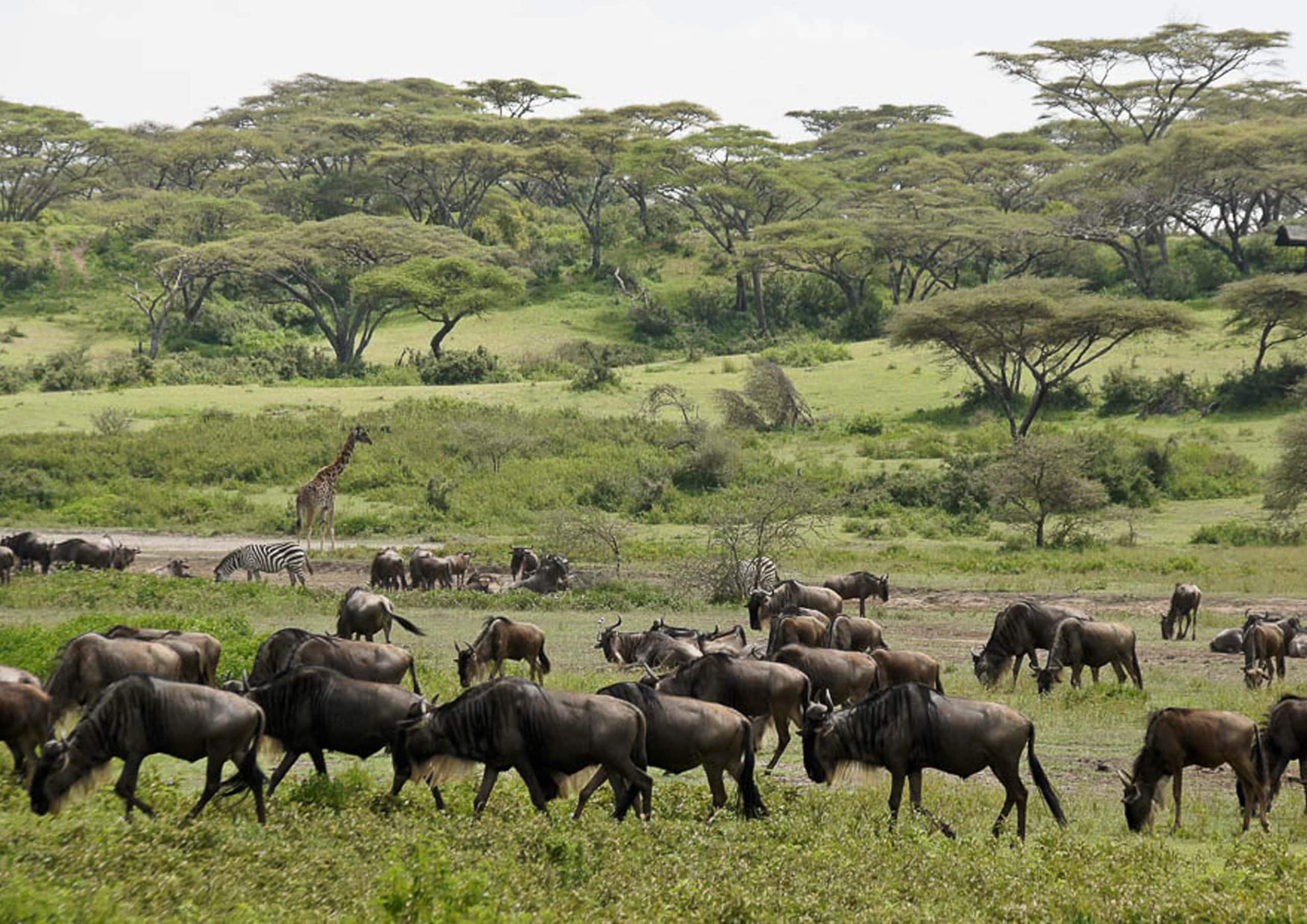
During the wet season from December through March, the herds gather in the Southern Serengeti and the nearby Ngorongoro Conservation Area. This is the time when over 500,000 wildebeest calves are born in a spectacular event known as the calving season. You’ll expect to see thousands of newborn wildebeest and zebra calves are born within a few weeks. Predators take advantage of this abundance, and you can witness intense predator-prey interactions.
This is in Southern Serengeti plains around Ndutu and Seronera. This is one of the most heartwarming and dramatic times in the migration cycle, offering excellent game viewing and opportunities for wildlife photography.
2. April to May - Western Serengeti
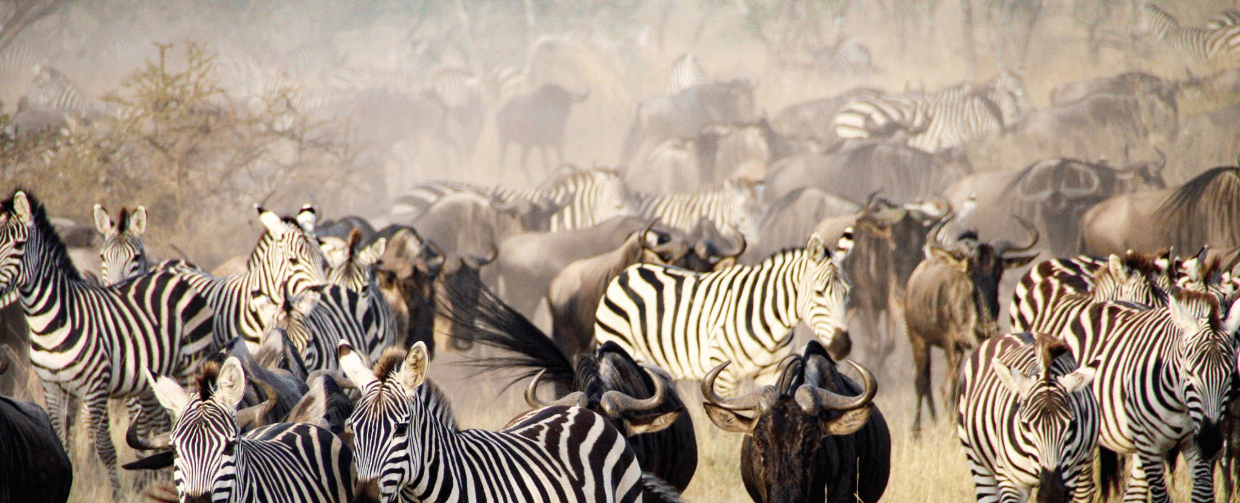
After calving, the herds start moving northwest towards the Western Corridor of the Serengeti, searching for fresh grazing as the rains begin to fade. You’ll expect to see grazing animals spread out over the woodlands and grassy plains in the west. Predator sightings remain common. This is in areas like Grumeti River and the Western Serengeti. This time is less crowded with tourists, allowing for a more peaceful and intimate safari experience.
3. June to July - Grumeti River Crossings
4. August to October - Northern Serengeti and Mara River Crossings
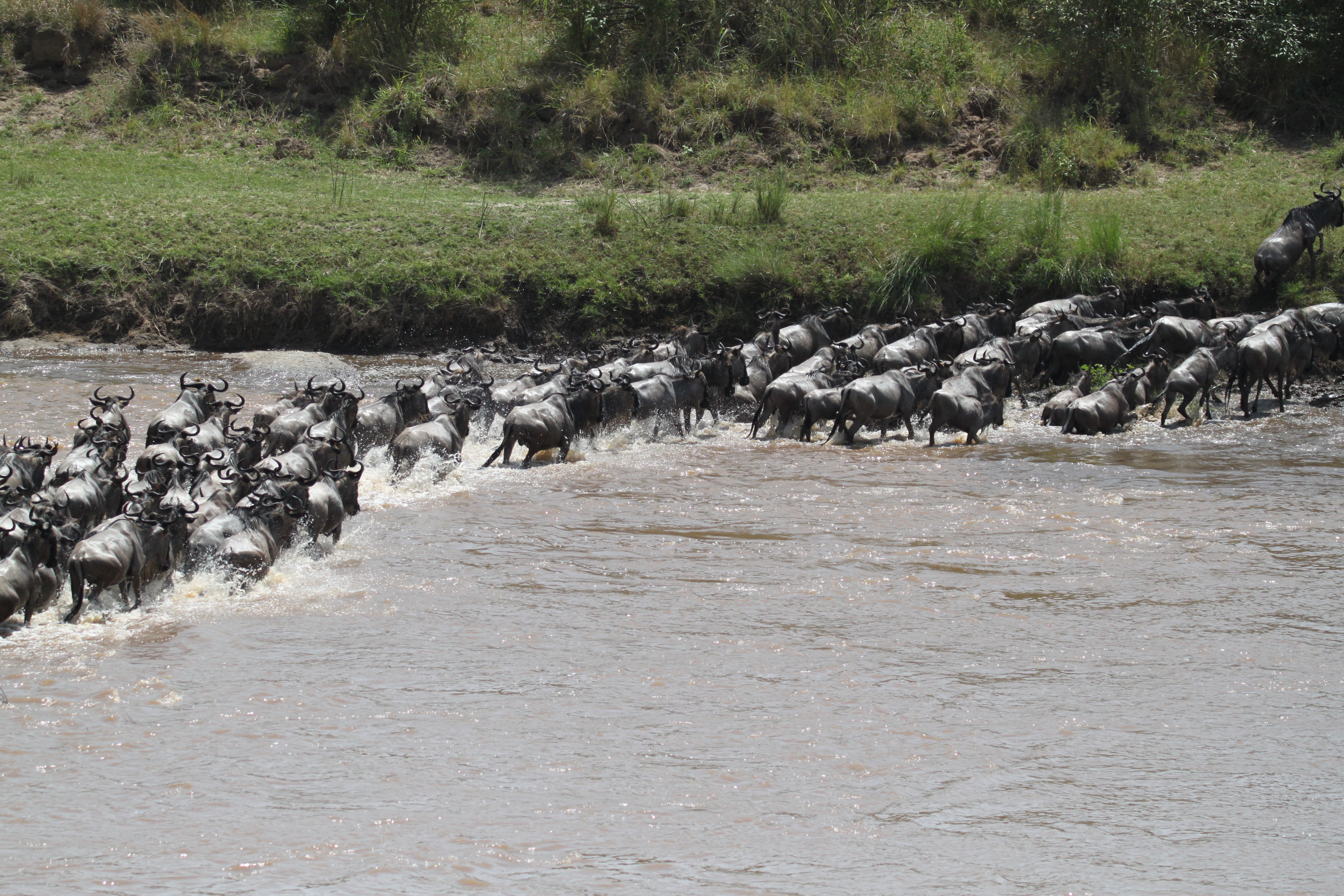
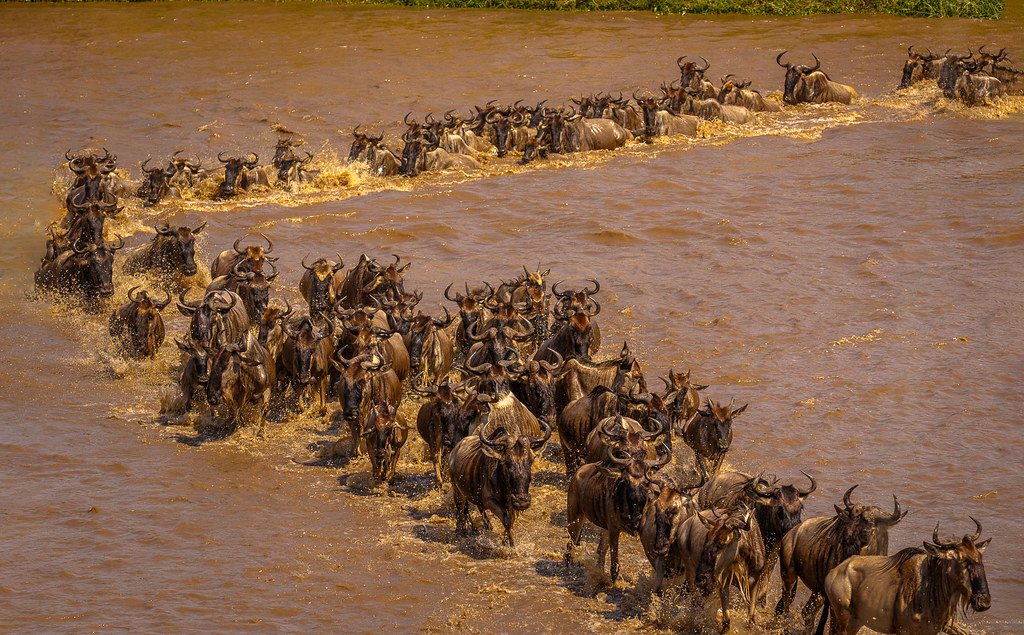
Between August and October, the herds move into the Northern Serengeti, preparing to cross the Mara River into Kenya’s Maasai Mara Reserve. This is the most dramatic and famous part of the migration. You will able to see large herds gather at the riverbanks, facing strong currents and lurking crocodiles. This is also prime time for spotting predators waiting to ambush the animals.
Stay in the northern Serengeti near Moru Kopjes, Lobo, or Kogatende to catch the crossings close. This is the ultimate wildlife spectacle, offering unforgettable photos and once-in-a-lifetime safari moments.
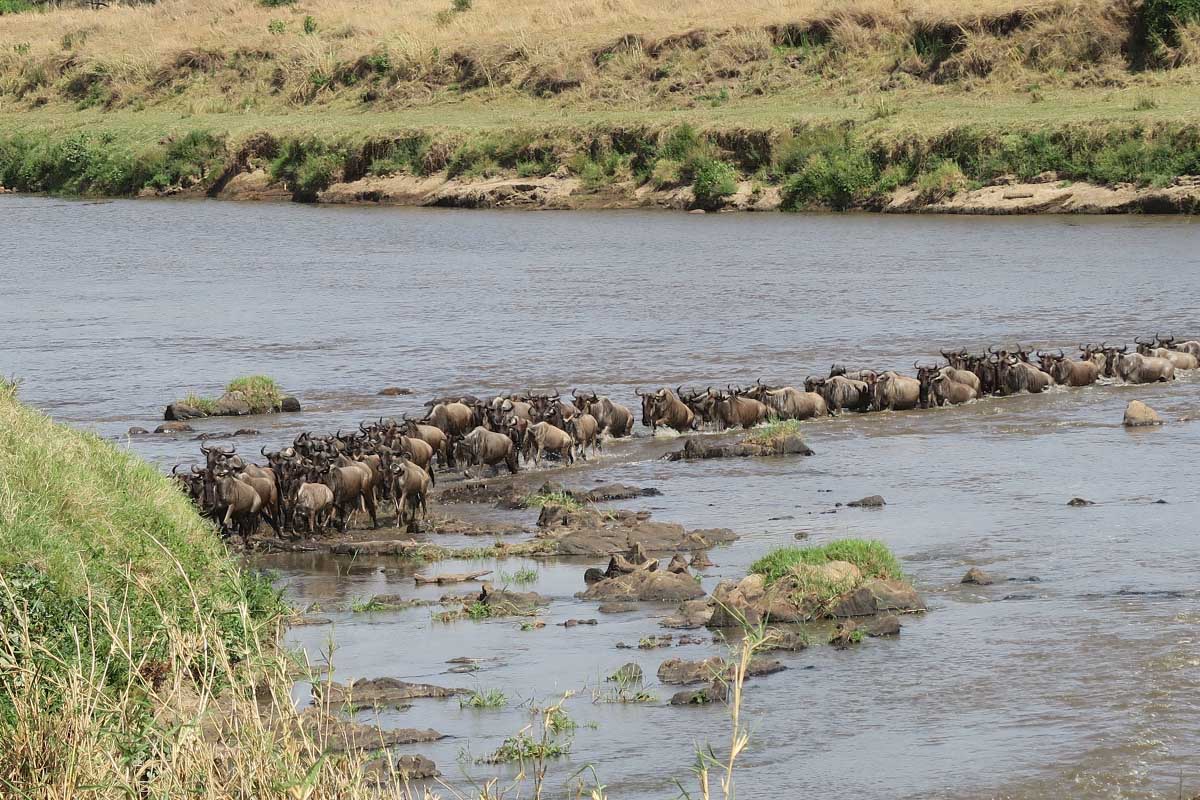
5. November - Return to the Southern Serengeti
After spending time in the Maasai Mara, the herds begin to return south to the Serengeti in November as the short rains start again. Migration animals begin their long journey back to the southern calving grounds. By able to see this you will be in Northern Serengeti in early November, then move southwards as the month progresses.
This migration begins its cycle anew, and wildlife remains active and abundant.
Other Wildlife and Attractions Outside the Migration
While the migration is the star attraction, Tanzania has many other incredible wildlife and natural experiences year-round.
Ngorongoro Crater
Often called the “Eighth Wonder of the World,” Ngorongoro Crater is the world’s largest intact volcanic caldera. Its fertile floor supports an incredible concentration of wildlife, making it one of the best places in Tanzania to see the Big Five (lion, leopard, elephant, buffalo, and rhino) in a single day. With its breathtaking scenery, rich wildlife, and unique Maasai communities living on the crater’s rim, it offers both cultural and natural wonders.
Tarangire National Park
This park is famous for its vast landscapes dotted with giant baobab trees and home to one of the largest populations of elephants in Tanzania. During the dry season, thousands of animals gather around the Tarangire River, creating spectacular wildlife viewing opportunities. It is also a birdwatcher’s paradise with over 500 species recorded.
Lake Manyara National Park
Lake Manyara is a small but diverse park known for its tree-climbing lions, massive flocks of flamingos on the alkaline lake, and lush groundwater forests. It’s also home to hippos, giraffes, elephants, and an abundance of birdlife. The park’s mix of ecosystems makes it a wonderful introduction to Tanzania’s wildlife and scenery.
Ruaha National Park & Selous (Nyerere National Park)
These southern parks are less crowded and perfect for those seeking a more off-the-beaten-path safari.
- Ruaha is Tanzania’s largest national park, known for its rugged landscapes, huge elephant herds, and high predator concentrations, including lions and wild dogs.
- Selous (Nyerere National Park), one of the largest protected areas in Africa, offers boat safaris on the Rufiji River, walking safaris, and a true wilderness feel with fewer visitors.
- Ruaha is Tanzania’s largest national park, known for its rugged landscapes, huge elephant herds, and high predator concentrations, including lions and wild dogs.
Tips for Planning Your 2026-2027 Migration Safari
- Book early: The best migration safaris, especially during river crossings, fill up fast.
- Choose the right season: Decide whether you want to see calving, river crossings, or predator action and plan your trip accordingly.
- Hire a knowledgeable guide: Experienced guides know the migration patterns and can help you get the best sightings.
- Pack for varied weather: Tanzania’s climate can vary from hot plains to cooler highlands, so bring layers.
- Consider a multi-park safari: Combine the migration with other parks for a richer experience.
We proudly to invite you to experience the Great Migration one of nature’s most breathtaking spectacles. In 2026 and 2027, Tanzania offers you front-row seats to this extraordinary event. From the drama of wildebeest river crossings to the miracle of calving season in the Southern Serengeti, every moment is filled with raw beauty and unforgettable wildlife encounters.
With our expert guides and carefully crafted itineraries, you won’t just see the migration you’ll love it. We ensure you are in the right place at the right time to capture the action, from predators on the hunt to herds stretching endlessly across the plains.
Join us for an experience that goes beyond travel. Discover Tanzania’s wild heart with us, where nature’s greatest journey unfolds before your eyes, year after year.