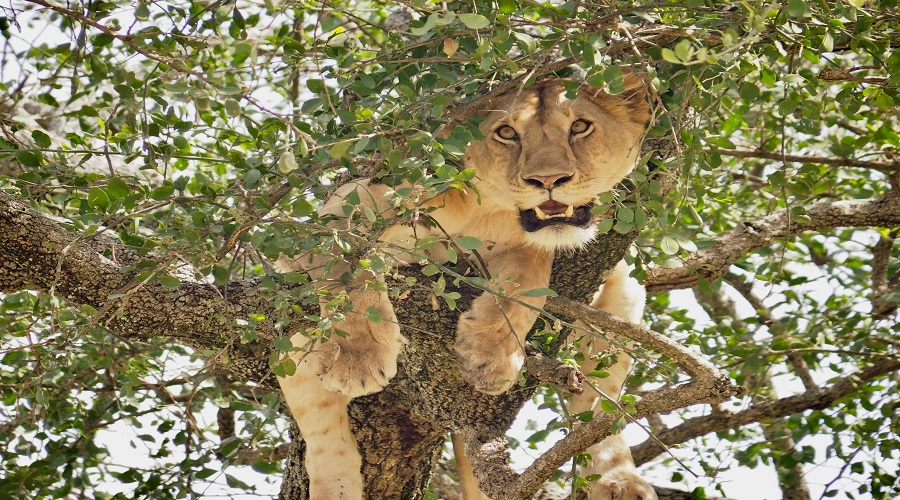
10 Interesting Facts About Lions You’ll Learn on an African Safari
An African safari is more than seeing wildlife it is about understanding life in its rawest and most powerful form. With Rede Tours & Safaris, every moment in the wilderness becomes meaningful, especially when observing lions in their natural habitat. Lions leave a lasting emotional impact because they are not just predators; they are intelligent, social animals with deep family bonds and complex survival strategies shaped over thousands of years.
Watching lions resting together, caring for cubs, or coordinating a hunt reveals a society built on cooperation and experience. Lionesses lead hunts with precision, while males defend territory through strength and presence. As evening falls, the sound of a lion’s roar rolling across the savannah is unforgettable, reminding you that nature still rules here. Our professional guides help you interpret these behaviors, turning each sighting into a deeper understanding of wildlife and conservation.
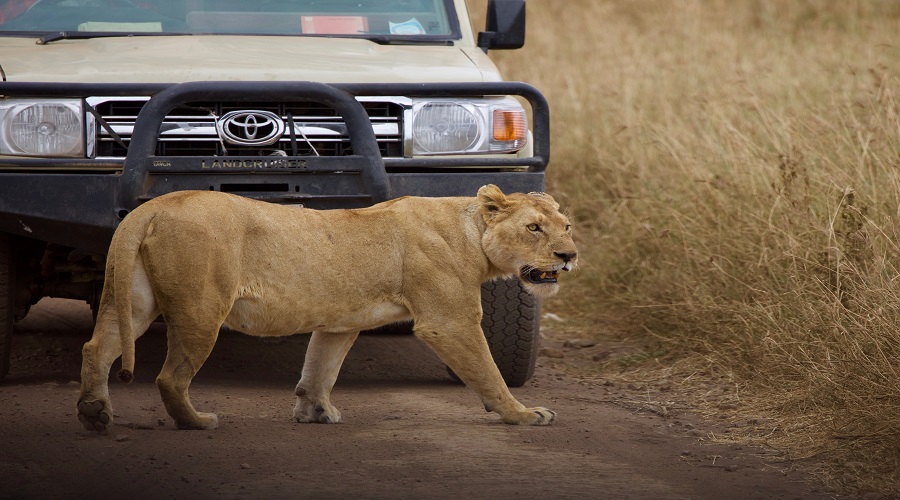
With Rede Tours & Safaris, a lion encounter is not a brief sighting it is a powerful lesson in balance, survival, and respect for the wild. These experiences prepare you to truly appreciate the fascinating lion facts you will learn on safari, making your journey both educational and emotionally unforgettable.
1. Lions Are the Only Big Cats That Live in Complex Social Groups
Lions are unique among big cats because they live in structured social units called prides. These prides are built around related females who remain together for life, forming a stable family system. Cubs are raised communally, meaning all lionesses help protect and care for the young, even nursing each other’s cubs if needed. This social structure increases survival. Cubs are safer, hunting success improves, and territories are defended more effectively. On safari, seeing lions resting together or greeting one another through head rubbing and grooming reveals how deeply cooperation defines their lives.
2. Female Lions Are Strategic Hunters, Not Just Strong Predators
Lionesses do nearly all the hunting, relying on teamwork rather than raw speed. Each hunt is carefully planned. Lions study wind direction to avoid detection, choose prey based on weakness or isolation, and use surrounding terrain to their advantage. Older lionesses pass hunting knowledge to younger ones, teaching timing, positioning, and coordination. This learned behavior explains why some prides hunt more successfully than others. On safari, guides help interpret these moments, turning a simple sighting into a lesson in predator intelligence.

3. A Lion’s Roar Is a Sophisticated Communication System
Roaring is not random or aggressive noise it is a precise communication tool. Lions roar to announce territorial boundaries, reunite with pride members, and warn rivals without needing physical confrontation. Each roar is unique, allowing lions to identify individuals and assess strength from sound alone. Hearing a lion roar at night, echoing across the plains, is one of the most emotional safari experiences. It reminds you that you are in a living, breathing wilderness governed by instinct and sound.
4. Male Lions Live Under Constant Threat and Pressure
Male lions live shorter, harsher lives than females. To control a pride, they must defeat rival males in violent battles that often result in broken bones, deep wounds, or death. Even after winning, they must remain vigilant, as new challengers constantly test their strength. This explains why male lions develop thick manes to protect vital areas and signal dominance. On safari, scarred males tell silent stories of battles fought and territories defended, revealing how survival for males is a daily struggle.
5. Lions Display Emotional Intelligence and Social Bonds
Lions’ express affection through grooming, head rubbing, and physical closeness. They maintain social harmony through contact and shared rest. When a pride member dies, lions may stay near the body, showing signs of confusion or grief. These behaviors challenge the idea of lions as emotionless predators. On safari, observing lions care for cubs or comfort one another shows that emotional bonds are essential to pride stability and survival.
6. Lions Thrive in Open Landscapes, Not Jungles
Despite popular myths, lions live in open savannahs, grasslands, and semi-arid plains. These environments allow lions to hunt cooperatively and use visibility to their advantage. Tall grass provides cover for stalking, while open spaces help coordinate attacks. This is why ecosystems like the Serengeti and Masai Mara support strong lion populations. Safari guides explain how landscape shapes behavior, helping visitors understand why lions choose specific resting or hunting locations.

7. Seasonal Changes Shape Lion Movement and Behavior
Lions respond directly to rainfall patterns and prey movement. During dry seasons, they concentrate near rivers and waterholes where prey gathers. In wet seasons, they roam more widely, following migrating herbivores. This means lion behavior changes throughout the year. On safari, you may see lions resting during hot afternoons, hunting at dawn, or moving long distances after rain. Timing affects not just sightings, but behavior patterns.
8. Lions Are Dominant but Not Alone at the Top
Lions compete constantly with other predators, especially hyenas. Hyenas may steal kills, challenge lions in large groups, or follow them closely. Leopards and cheetahs also compete for prey, often avoiding lions entirely. These interactions shape lion behavior, forcing them to defend food aggressively and hunt strategically. Predator interactions witnessed on safari reveal the true complexity of African ecosystems.
9. Lions Are Facing Serious Survival Threats
Once widespread across three continents, lions now exist in only a fraction of their historic range. Habitat loss, conflict with humans, declining prey, and climate change threaten their future. Safari guides often explain how protected areas, community involvement, and ethical tourism help reduce these threats. Seeing lions in the wild make’s conservation real and personal, transforming admiration into responsibility.
10. Every Lion Encounter Is Unpredictable and Unique
There is no such thing as a “typical” lion sighting. One day you may see lions sleeping under acacia trees, another day hunting at sunrise, and another protecting tiny cubs. This unpredictability is what makes safaris authentic. Each encounter is shaped by instinct, environment, and chance. On safari, you learn patience, respect, and appreciation for wildlife that follows no script.

Top Safari Parks to See Lions in Africa
When you plan a safari with Rede Tours & Safaris, seeing lions in their natural habitat is just one part of the experience. Here are the most iconic safari parks where lions roam freely, offering unforgettable wildlife encounters:
1. Masai Mara National Reserve (Kenya)
- Famous for high predator density, especially lions.
- Rolling savannahs dotted with acacia trees make spotting wildlife easier.
- Hosts part of the Great Wildebeest Migration from July to October.
- Offers luxury lodges, tented camps, and accessible safari drives.
2. Serengeti National Park (Tanzania)
- The largest protected area in Tanzania, spanning 14,750 km².
- Known for vast open plains and the Great Migration of wildebeest and zebras.
- Offers a true wilderness experience with large lion prides and rare species.
- Supports luxury, mid-range, and mobile tented safaris.
3. Amboseli National Park (Kenya)
- Renowned for large elephant herds and magnificent views of Mount Kilimanjaro.
- Offers smaller prides of lions and unique photographic opportunities.
- Ideal for short luxury safaris with high-quality lodge accommodations.
4. Ngorongoro Crater (Tanzania)
- UNESCO World Heritage Site with one of the densest concentrations of wildlife.
- Lion sightings are excellent due to enclosed crater ecosystem.
- Perfect for combining predator viewing with scenic landscapes.
5. Tsavo East and West National Parks (Kenya)
- Known for red elephants, lions, and large savannahs.
- Less crowded, offering more private encounters with wildlife.
- Great for adventurous safari travelers who want off-the-beaten-path experiences.
From high-density predator parks like Masai Mara to vast wilderness areas like Serengeti, each destination offers a different way to experience lions and African wildlife. Combining these parks in your safari itinerary ensures a varied, immersive, and unforgettable adventure.
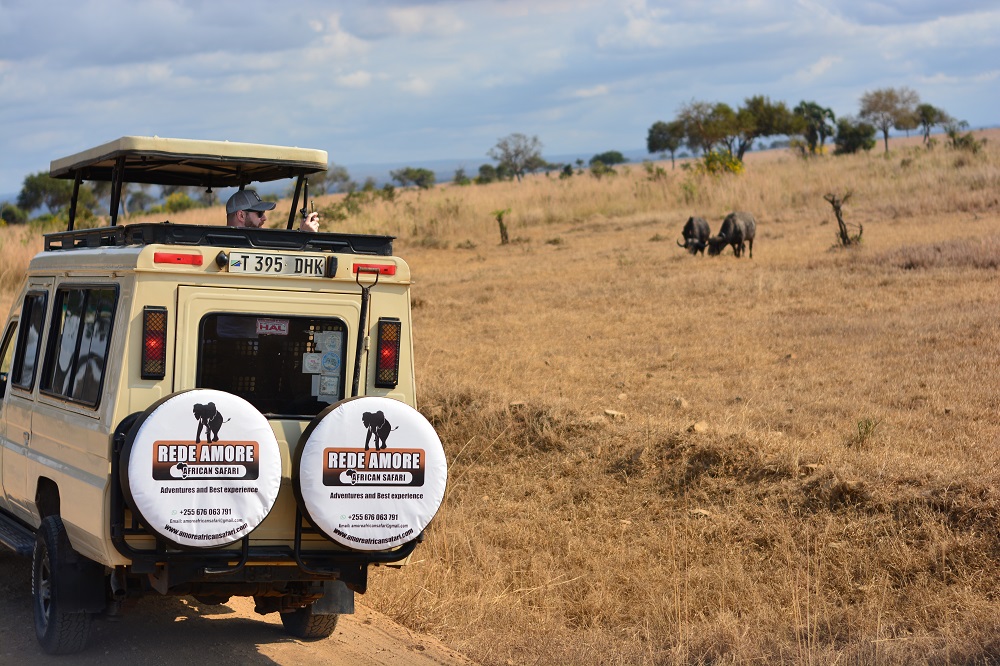
In the end, seeing lions in the wild is not just a highlight of an African safari it is a life-changing experience that deepens your connection to nature. From their powerful social bonds to their intelligence, strength, and vulnerability, lions represent the true spirit of Africa’s wilderness. Understanding their world helps you appreciate why protecting these magnificent animals is so important for future generations.
Now is the time to experience it for yourself. Book your safari with Rede Tours & Safaris and explore Africa’s iconic lion territories with expert guides who bring every moment to life. Let us create a safari that is meaningful, responsible, and unforgettable where every lion sighting becomes a story you will carry forever.